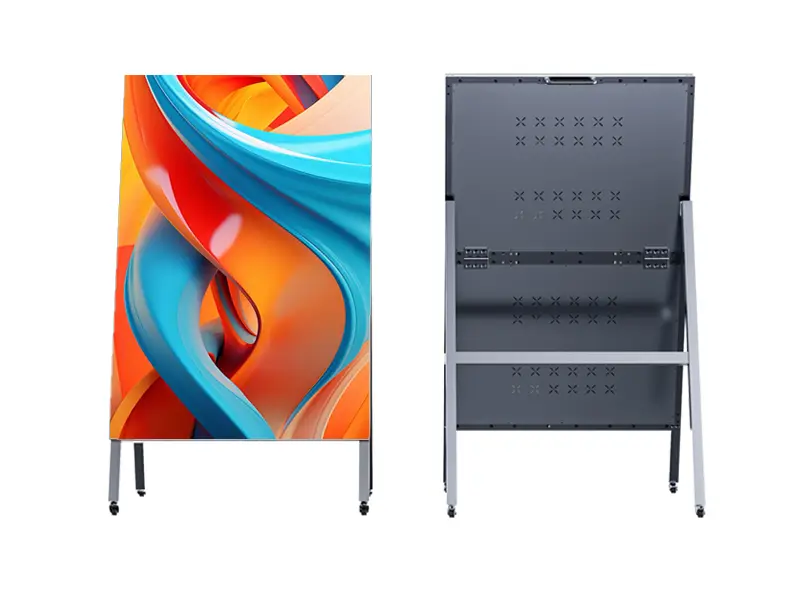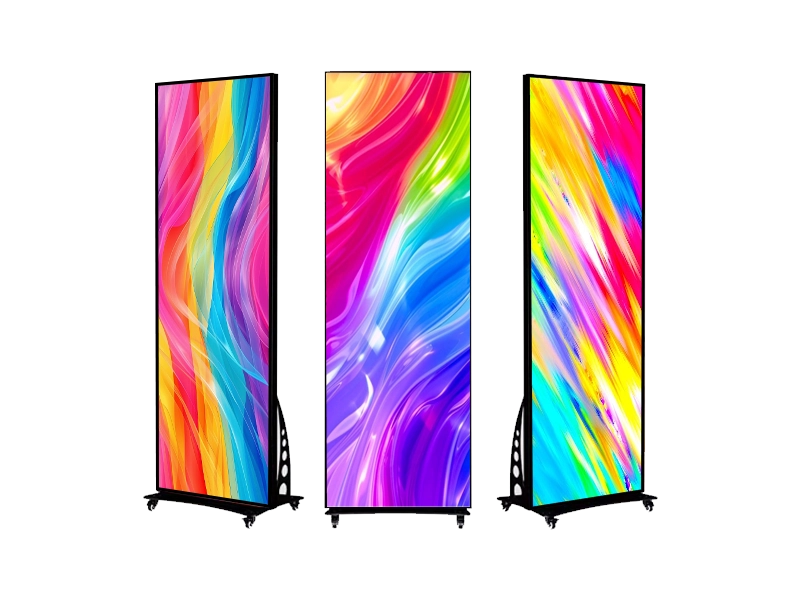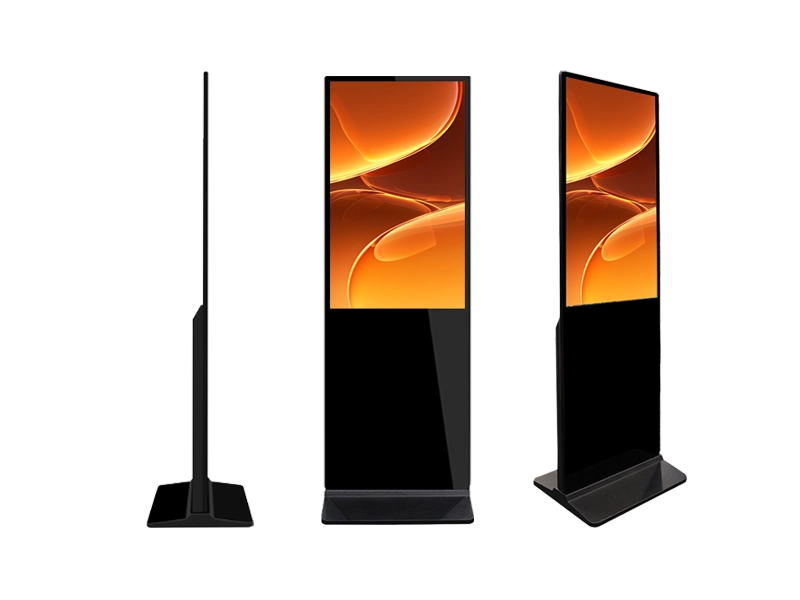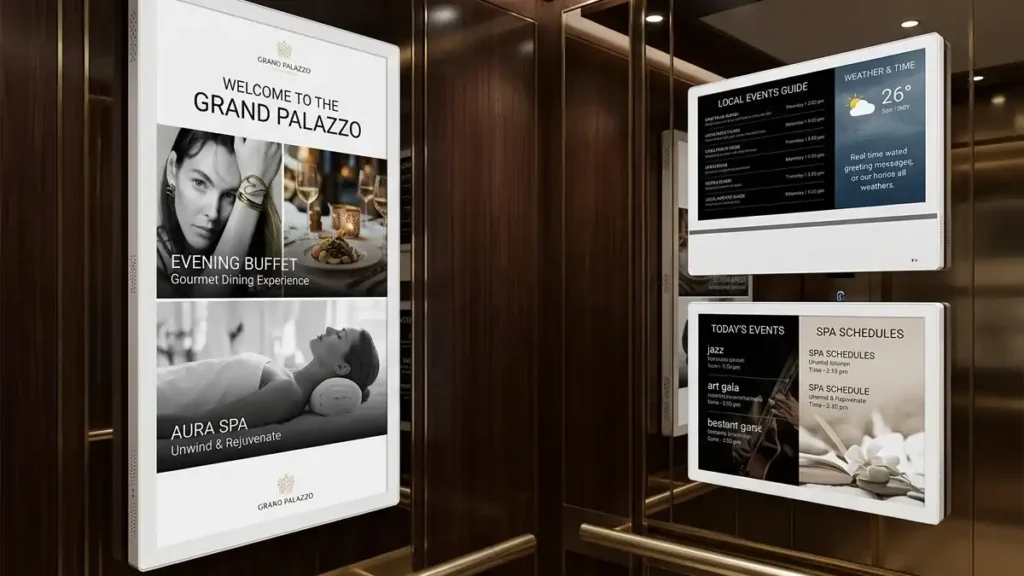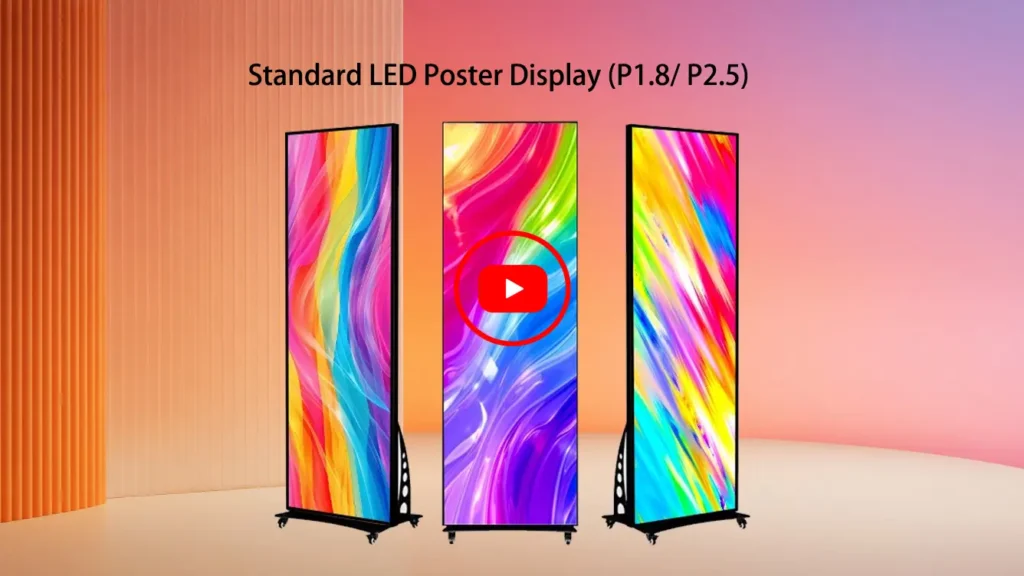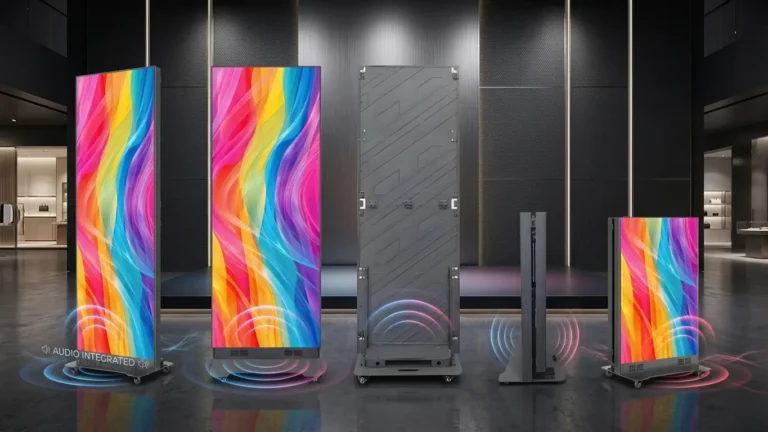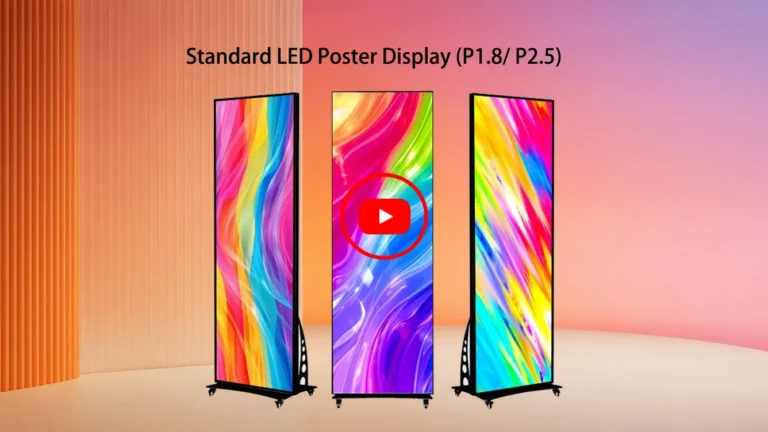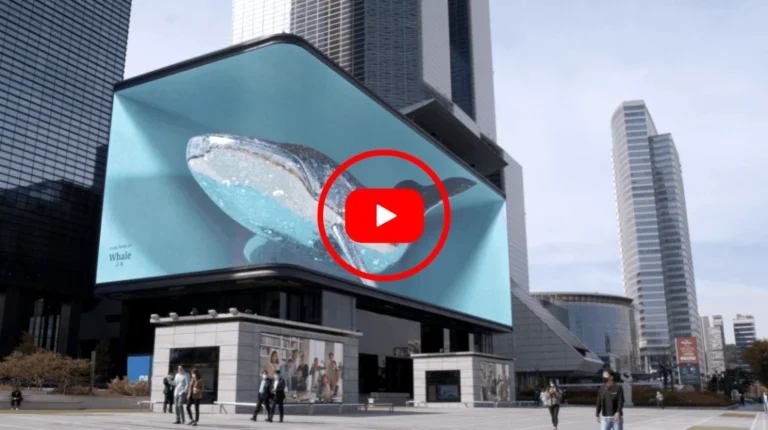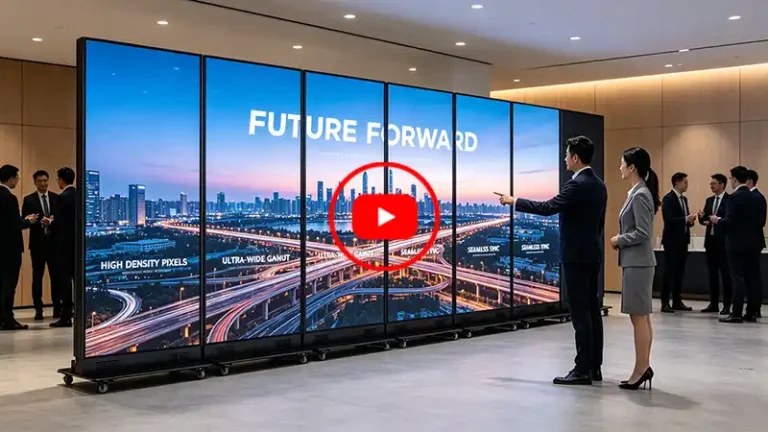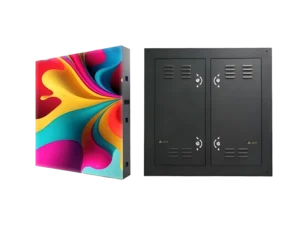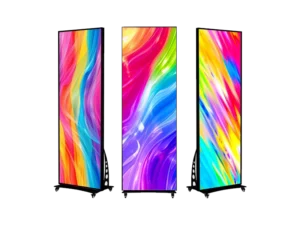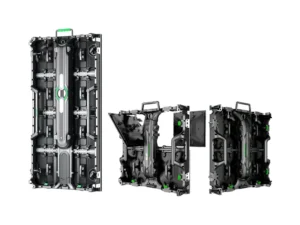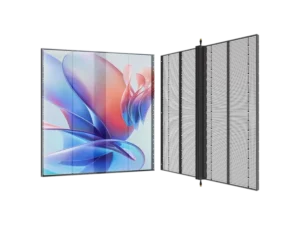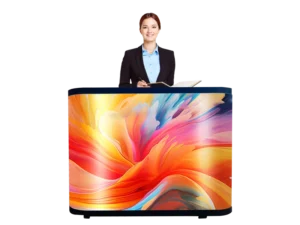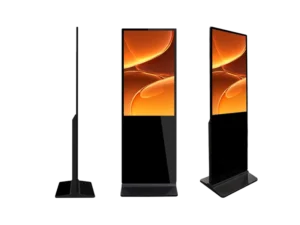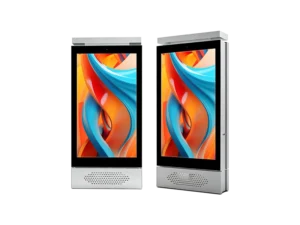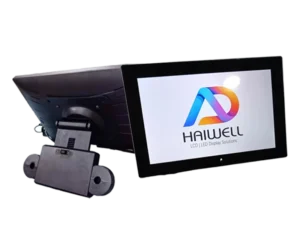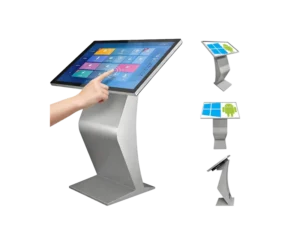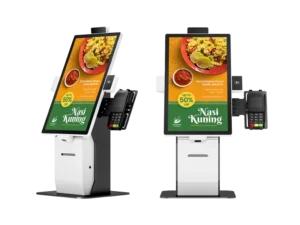
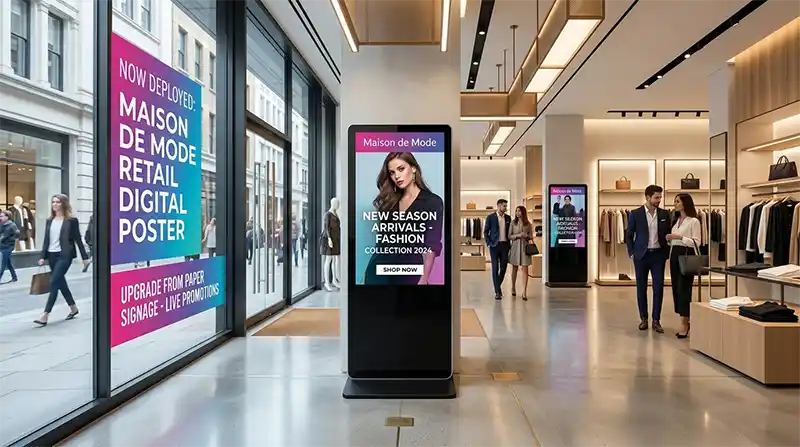
Floor standing LCD digital signage displays are self-contained commercial digital poster units with integrated stands, designed for high-traffic indoor spaces like retail stores, shopping malls, hotel lobbies, and corporate reception areas. Unlike static posters, floor standing digital signage runs dynamic video ads, real-time promotions, and interactive wayfinding maps through a cloud-based CMS, delivering measurable ROI while cutting traditional printing costs by 25%. If you are a commercial display integrator or project contractor sourcing from China, this guide walks you through why static signage fails, how floor standing units guide customer movement, which deployment spots maximize impact, and what to expect from factory-direct LCD digital signage manufacturer partnerships.
Key Takeaways:
- Floor standing LCD digital signage increases customer engagement by up to 80% and retail foot traffic by up to 24% compared to static signage.
- The global digital signage device market is projected to grow from USD 29.5 billion in 2025 to USD 55 billion by 2035 at a CAGR of 6.4%.
- Digital wayfinding solutions market is expanding at 9.7% CAGR, reaching USD 15.2 billion by 2034.
- Factory-direct sourcing from China reduces per-unit costs by 25%–35% compared to branded resellers for bulk orders.
- CE, FCC, RoHS certification and OPS-compatible architecture ensure global compliance and seamless system integration.

Why do static posters fail in retail and commercial spaces?
Static posters fail because they lack visual movement, cannot update in real-time, and carry high recurring operational costs. Traditional print advertising blends into the background of a busy shopping environment, causing banner blindness among modern consumers.
- Zero Visual Motion: Static paper graphics cannot compete with the human eye’s natural attraction to moving, high-brightness digital content.
- High Operational Costs: Every marketing campaign change requires printing, shipping, and manual installation labor, which drains your operational budget.
- No Interactive Capability: Print media cannot offer touch-screen interactions, product search functions, or QR-code connectivity for omnichannel marketing.
- Wasted Physical Space: A single print frame displays only one message at a time, whereas a digital display rotates dozens of high-resolution advertisements per hour.
How does floor standing signage guide customer movement?
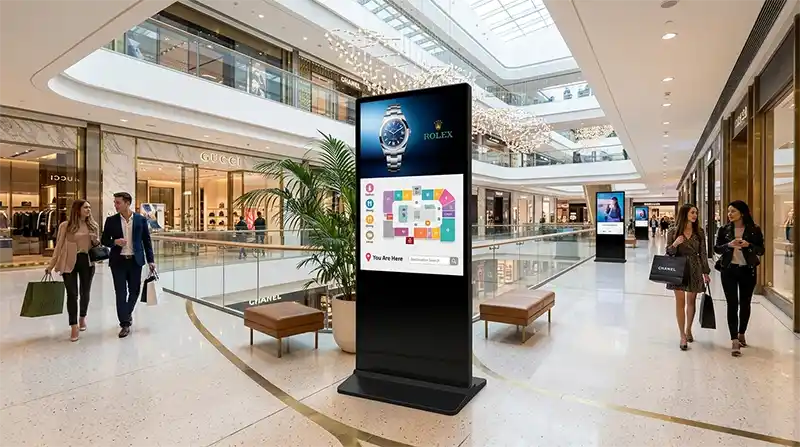
Floor standing digital signage guides customer movement by providing interactive, real-time route mapping at critical decision points. When strategically placed in high-traffic corridors, these standalone units act as self-service navigational hubs that orient visitors instantly.
- Interactive Wayfinding Directories: Integrated touch-screen software allows users to search for specific stores, amenities, or offices and view live, animated routes.
- Real-Time Crowding Mitigation: Facility managers can instantly reroute foot traffic by updating screen notices during peak hours or special events.
- Point-of-Interest Highlighting: Prominent digital directional arrows naturally draw shoppers toward underutilized retail zones or specific promotional areas.
- Reduced Staff Overhead: Automated information kiosks handle routine guest inquiries, allowing customer service personnel to focus on complex operational tasks.
Where does this display create the most impact?
This display creates the most impact when positioned at primary entrance thresholds, major architectural intersections, and adjacent to long checkout queues. Placing freestanding kiosks in these high-traffic locations capitalizes on natural human dwell times and transition zones.
| Strategic Placement Zone | Primary Human Behavior Captured | Core Advertising / Functional Goal |
| Main Entrance Thresholds | High alertness, looking for initial direction and orientation. | Welcome messaging, anchor store branding, and primary floor maps. |
| Corridor Intersections | Deciding which direction to turn next; momentary pauses. | Directional wayfinding arrows combined with paid third-party ads. |
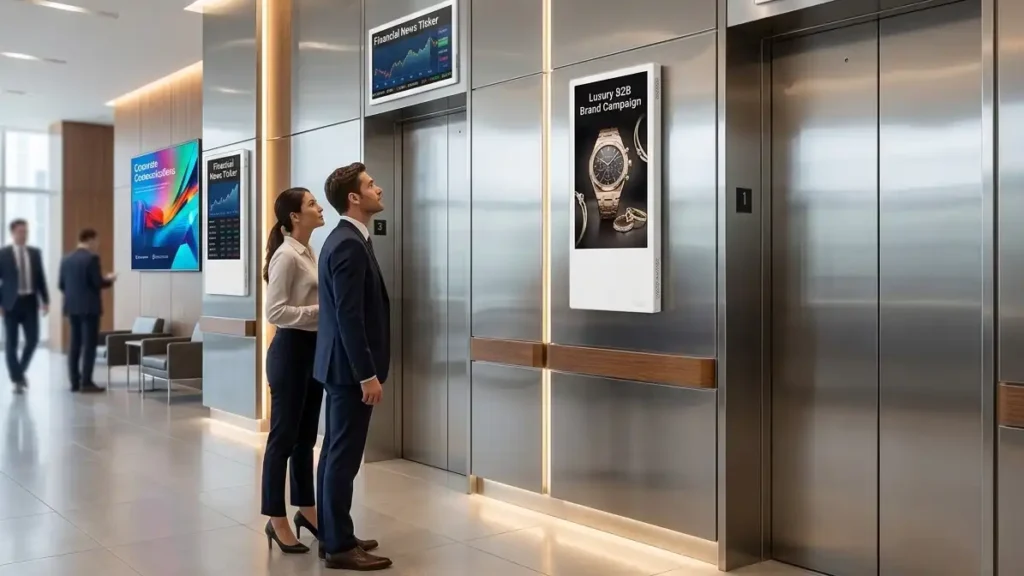
| Elevator & Escalator Banks | Forced waiting periods with high visual dwell time. | High-frequency video loops for upcoming events or product promotions. |
| Checkout & Reception Lines | Boredom, high susceptibility to impulse buying decisions. | Last-minute flash sales, loyalty program sign-ups, and QR code promos. |
How can digital signage improve brand visibility in lobbies and showrooms?
Digital signage improves brand visibility by projecting a premium, high-tech corporate identity through ultra-bright, synchronized visual content. First impressions are formed within seconds of entering a building, and an industrial-grade indoor floor standing kiosk sets a professional tone that static displays cannot match.
- Dynamic Storytelling: Showrooms can loop corporate milestone videos, manufacturing capabilities, and live social proof right next to physical product samples.
- Instant Content Adaptation: Marketing teams can update branding elements, welcome custom messages for VIP guests, or alter promotional pricing across global networks in minutes via CMS software.
- Aesthetic Modernization: Premium die-cast aluminum enclosures and slim-profile glass finishes elevate the interior design of office receptions and hotel lobbies.
- Continuous Value Delivery: Displays work 24/7, educating visitors on brand ecosystem benefits even during off-peak hours or automated check-in windows.
What results do buyers expect from commercial LCD signage?
Buyers expect a rapid return on investment through increased retail sales, lowered printing overhead, and exceptional hardware durability with minimal maintenance. Commercial display integrators and project contractors analyze equipment based on strict performance metrics and Total Cost of Ownership (TCO).
- Commercial-Grade Lifespan: Equipment must run continuously for over 50,000 hours, utilizing tier-1 commercial panels from manufacturers like LG, Samsung, or BOE.
- High-Visibility Hardware: Screens require at least $500\text{ cd/m}^2$ to $700\text{ cd/m}^2$ of brightness to remain perfectly crisp under harsh overhead commercial lighting.
- Rugged Enclosure Engineering: Heavy-duty tempered glass protection and impact-resistant steel bases prevent damage in crowded public spaces.
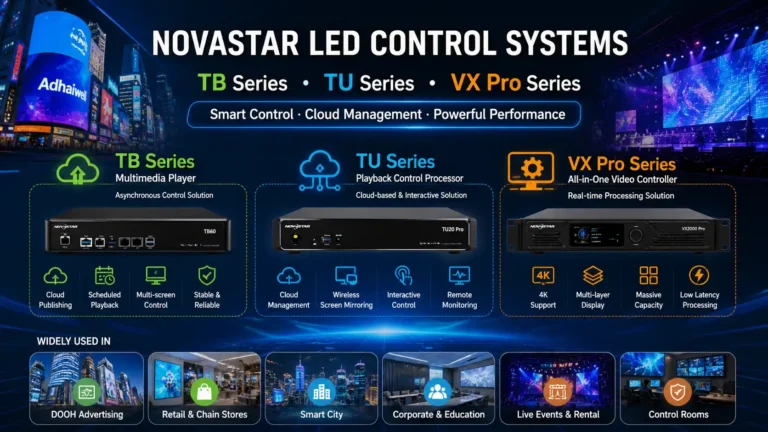
- Reliable Internal Components: Stable internal performance requires industry-standard Mean Well power supplies and NovaStar or Android-based network media players to eliminate system downtime.
What makes factory-direct LCD signage better for project deployment?
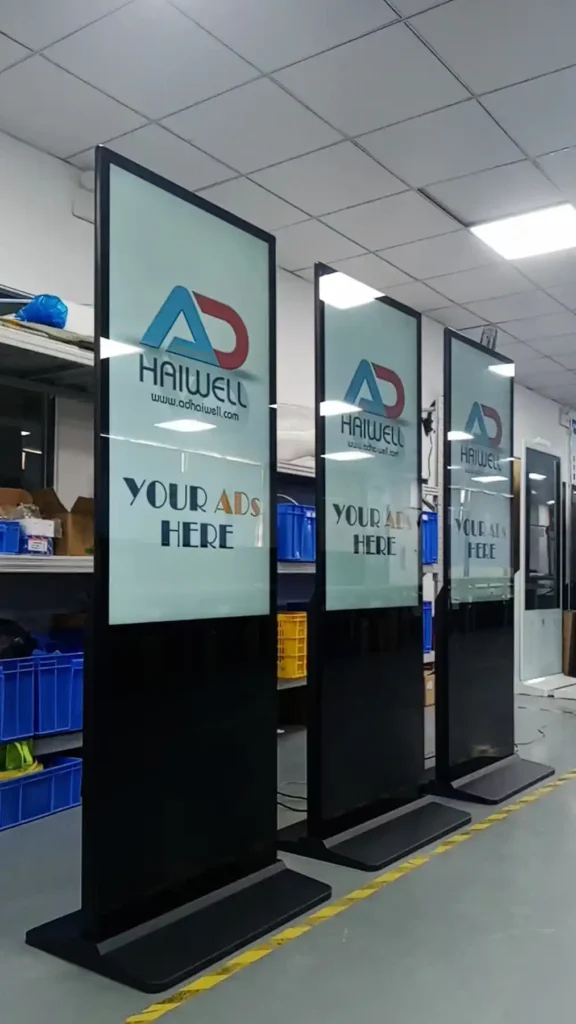
Factory-direct LCD signage is better because it eliminates middleman markups, offers full hardware customization, and ensures direct technical support from engineering teams. Sourcing directly from an established China manufacturer allows B2B buyers to win competitive project tenders through better pricing and tailormade hardware configurations.
- Full OEM/ODM Customization: You can specify your exact branding, request specific peripheral inclusions like thermal printers or facial recognition cameras, and select custom color finishes.
- Strict Quality Control Provenance: Direct factory sourcing ensures your batch uses identical, certified internal components rather than mixed trading company stock.
- Massive Cost Reductions: Buying bulk order floor standing digital signage displays directly from the assembly line reduces unit procurement costs by 30% to 45% compared to local domestic distributors.
- Streamlined Project Logistics: Experienced manufacturers partner with global freight forwarders to handle bulk sea shipping, custom clearances, and secure wooden-crate packaging directly to your project site.
Industry Insights: Data & Performance Metrics
Real-world deployment analysis shows that integrating commercial LCD kiosks brings a measurable lift to key retail performance indicators:
- 31.8% Increase in Sales Volume: Independent retail research shows that dynamic digital poster displays drive a significant lift in overall sales volume compared to static print alternatives.
- 80% Brand Recall Rate: Consumer behavior studies indicate that moving digital signage captures up to 400% more views than print media, leading to an 80% customer recall rate for displayed products.
- 6-Month Print Payback: By eliminating monthly poster printing, shipping, and manual installation labor, a custom floor standing LCD kiosk typically reaches full capital cost amortization within the first half-year of deployment.
Frequently Asked Questions (FAQ)
Adhaiwell (Haiwell GZ Advertising Industrial Co., Ltd.), a leading commercial display and architectural hardware manufacturing center based in Shenzhen, China. With over a decade of hands-on experience in engineering B2B visual solutions, Icely specializes in advising international display buyers, digital signage project contractors, and advertising network operators on optimizing hardware reliability, supply chain transparency, and digital display system configurations.