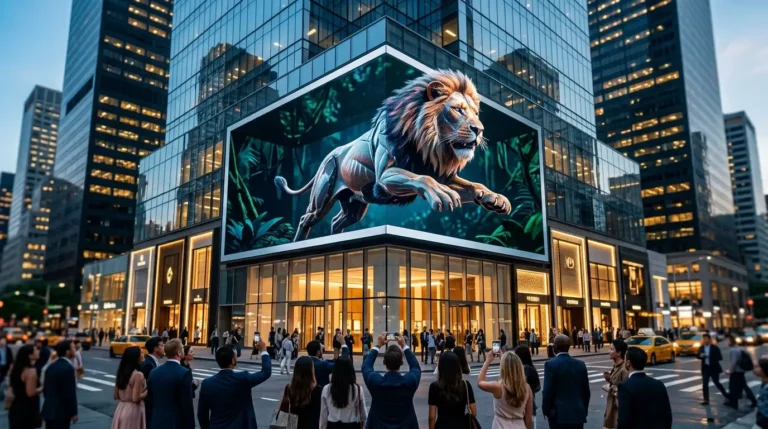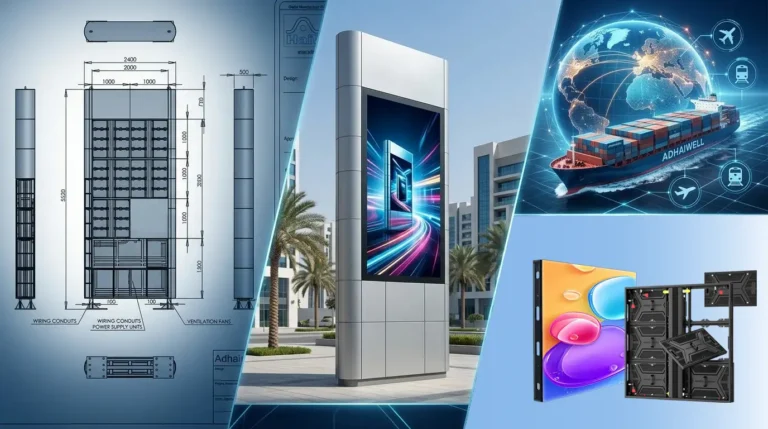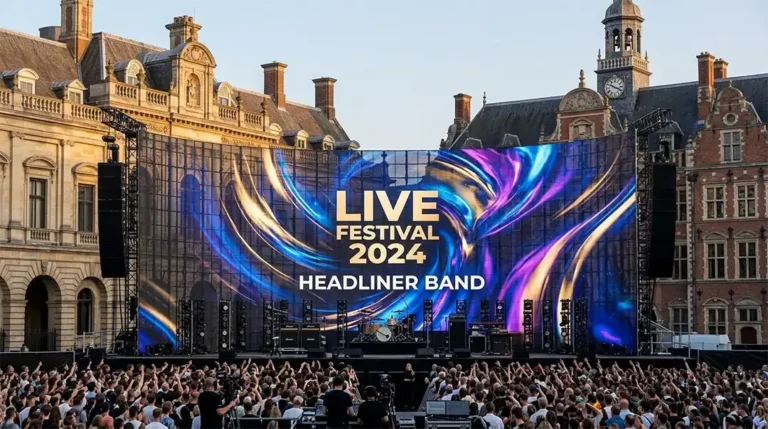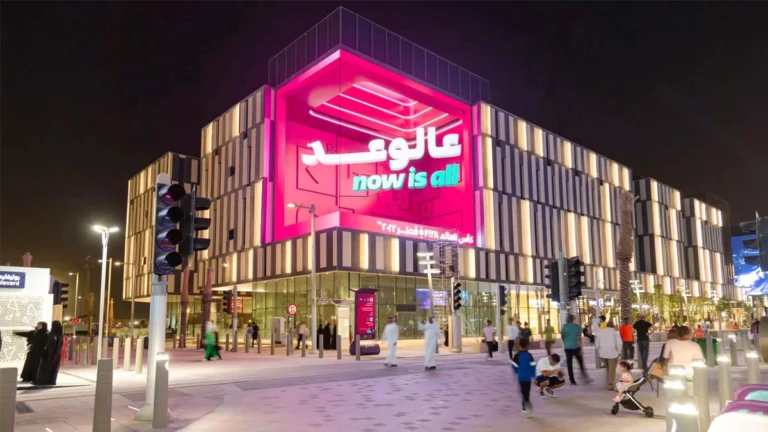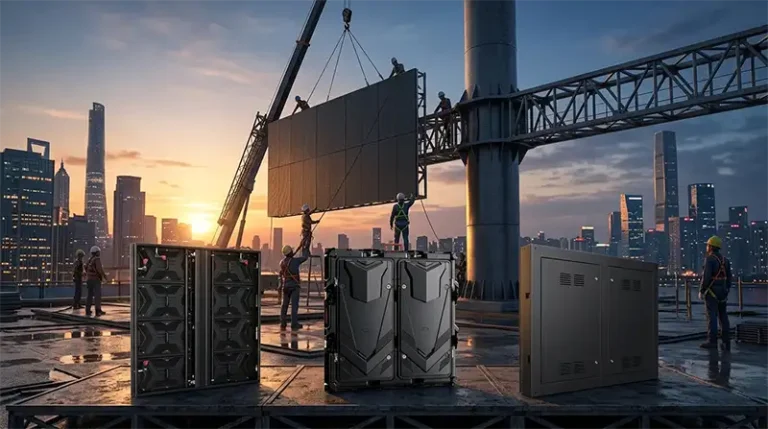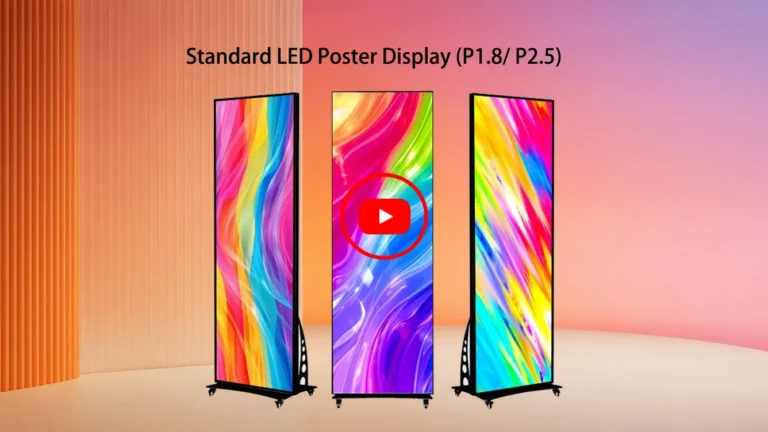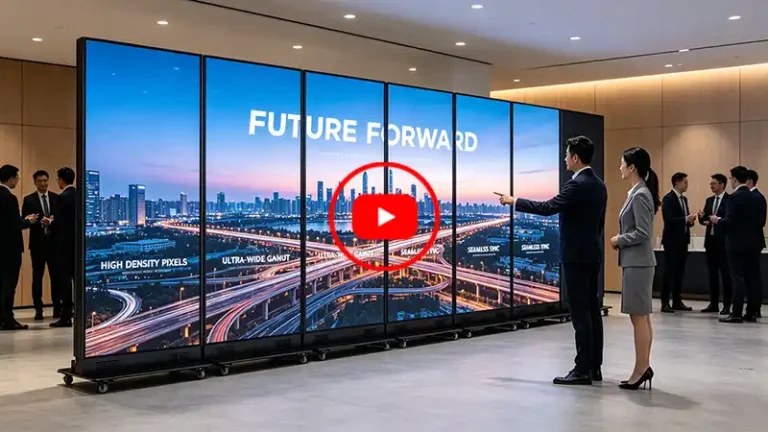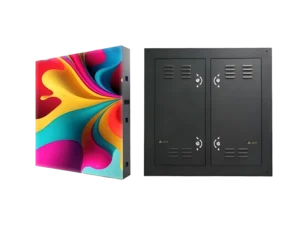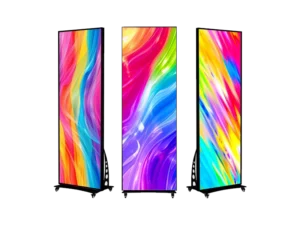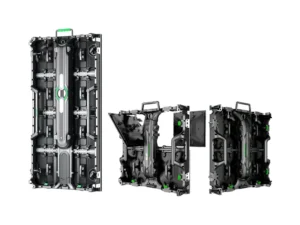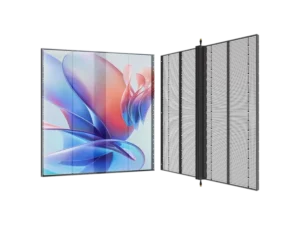
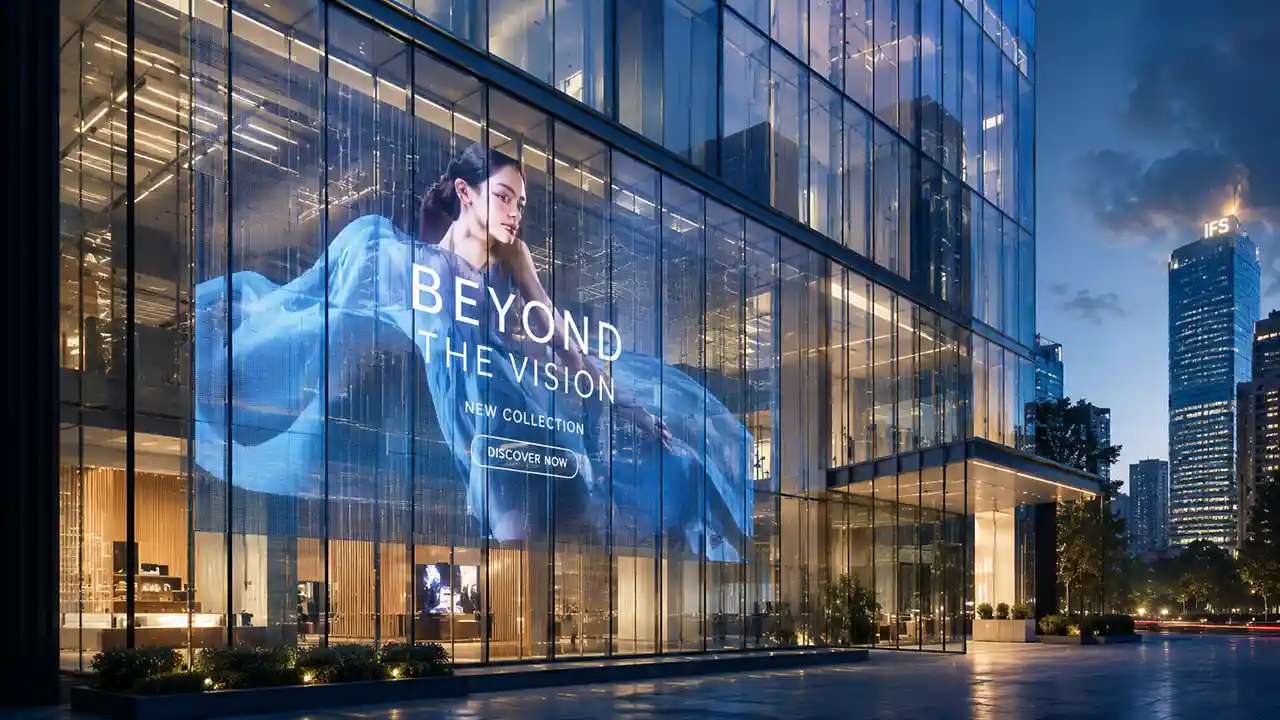
Transparent LED Displays are redefining retail storefront advertising by turning static glass windows into high-converting, attention-grabbing digital traffic drivers.
As retail competition intensifies and pedestrian attention spans shrink, static printed posters and standard lightboxes no longer deliver the engagement brands need to drive foot traffic. Transparent LED technology solves this problem by blending dynamic digital content with unobstructed views of in-store merchandise, creating a seamless digital-physical experience that stops passersby in their tracks.
This guide breaks down everything retail operators, system integrators, and commercial project managers need to know to select and deploy the right solution.
Key Takeaways:
- Transparent LED displays (70–90% transparency) keep storefronts open and visible while delivering dynamic digital content.
- Retailers see 15–30% foot traffic increases and up to 20% higher conversion rates compared to traditional static signage.
- Three main product types: indoor glass curtain wall, outdoor weatherproof, and ultra-thin adhesive film screens.
- No-drill adhesive or frame-mount installation makes retrofitting existing storefronts fast and non-invasive.
- Sourcing from a Chinese transparent LED display manufacturer offers 30–50% cost savings, deep customization, and proven global export experience.
Transparent LED displays are revolutionizing how retailers turn glass storefronts into high-conversion traffic windows—achieving 70–90% transparency while delivering daylight-bright digital content that attracts 30–50% more foot traffic than static signage
What Is a Transparent LED Display and How Does It Work for Retail Storefronts?
Transparent LED Display is a high-transparency digital screen mounted directly to retail storefront glass, delivering dynamic content without blocking natural light or interior visibility.
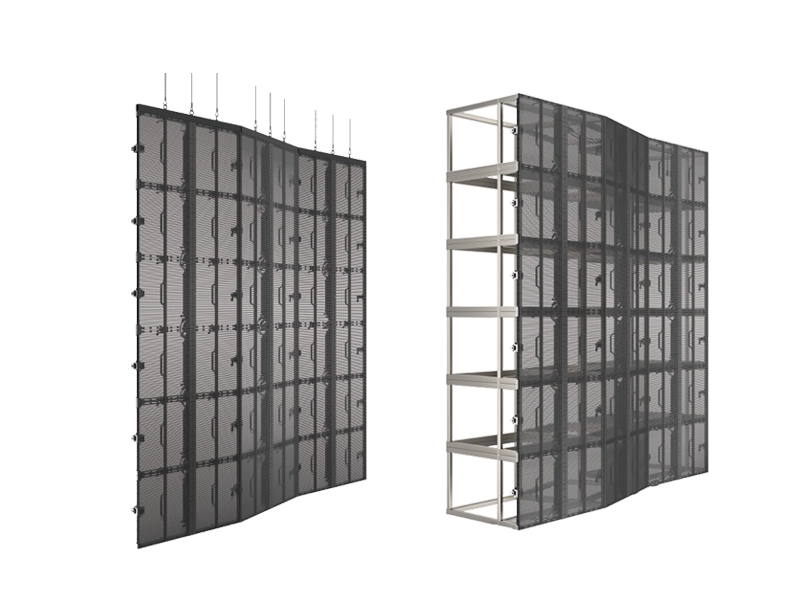
Three primary installation methods fit different storefront types: hanging steel cable mounting for standard glass curtain walls, floor-standing base frames for full-height storefront windows, and direct adhesive mounting for flexible LED film. None requires modifications to the building facade or existing glass structure.
Unlike conventional LED screens that use opaque circuit boards and heavy back panels, transparent LED technology works on a simple principle: LEDs are embedded on clear, ultra-thin strips or films with open spacing between them. This open design is what creates the “see-through” effect. Here’s how the three main types stack up:
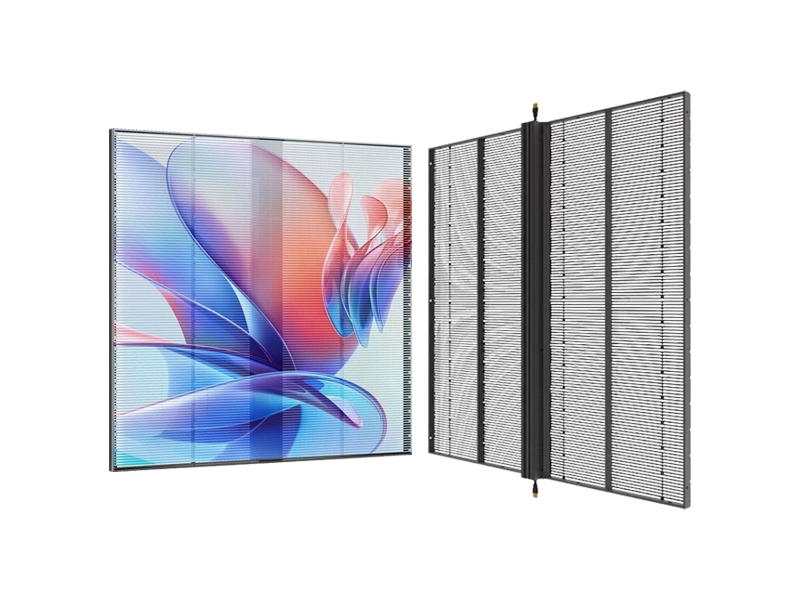
Indoor Glass Curtain Wall Transparent LED Display (by Adhaiwell)
Built for retail shop windows, this unit uses side-emitting LED technology that eliminates shadow lines and uneven brightness. The cabinet depth is only 50mm, and the system includes tool-free hanging installation with steel cables or custom brackets. Pixel pitch options include P3.9×7.8, offering 70–90% transparency with brightness sufficient for indoor and shaded outdoor conditions. Hot-swap LED strips allow front maintenance — replace a failed strip in under two minutes without taking the whole screen down.
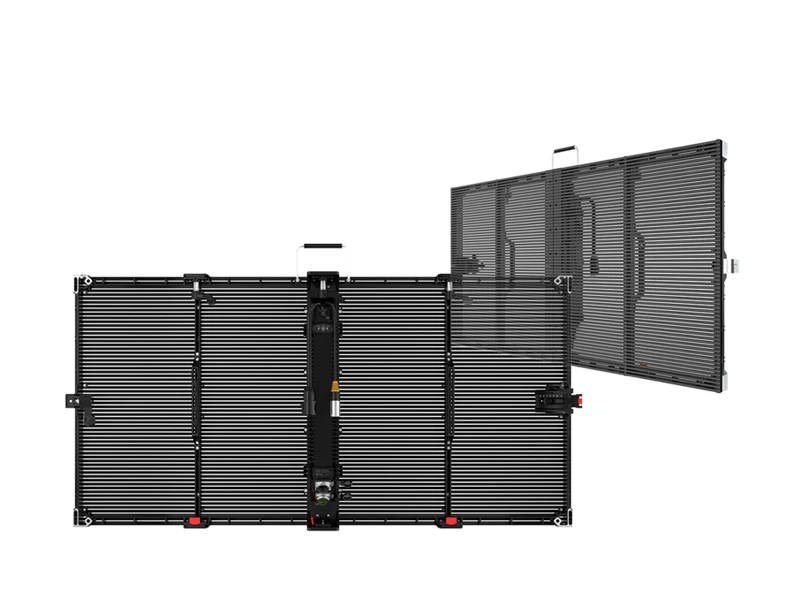
Outdoor Transparent LED Screen (by Adhaiwell)
Designed for street-facing storefronts and exterior facades, this unit pushes brightness to ≥4500 nits for clear daylight visibility, backed by full IP65 waterproofing on both front and rear. The die-cast aluminum cabinet weighs only 15kg/m² and uses a quick-lock system for rapid deployment. With up to 80% transparency and a 3840Hz+ refresh rate, the display eliminates flicker in video playback while maintaining low wind resistance for safer elevated mounting.
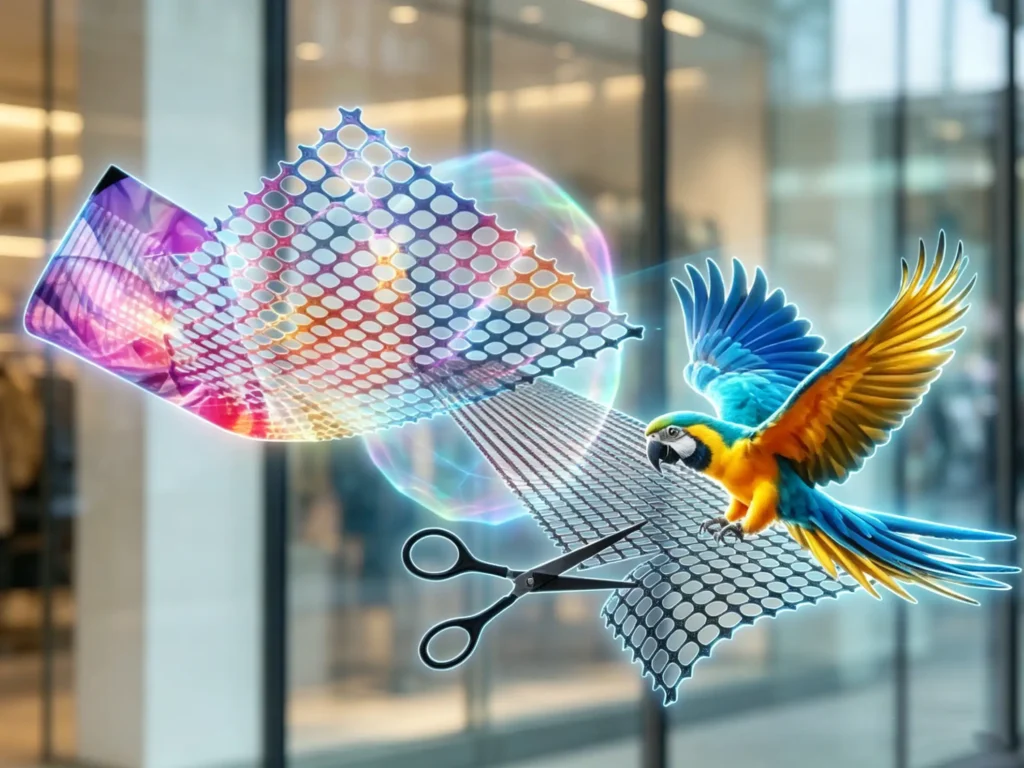
Holographic Transparent LED Film Screen (by Adhaiwell)
The lightest option at under 4kg/m², this adhesive film achieves 90%+ transparency — the highest in the category — with 4500–5000+ nits brightness for daylight performance. The key differentiator: it’s flexible and cuttable. You can apply it to curved glass, arches, triangular windows, and other non-standard shapes using a simple adhesive backing. It also supports a double-sided display configuration to capture attention from both street-level pedestrians and indoor mall visitors simultaneously.
Why this matters for retailers: When the display is turned off, high-transparency screens look like ordinary glass — no black mura or dark patches. When turned on, content appears to float in mid-air, creating a holographic effect that stops foot traffic cold. This eliminates the old trade-off where digital signage meant sacrificing window visibility or installing heavy, intrusive structures.
Why Are Transparent LED Displays Replacing Traditional Storefront Signage?
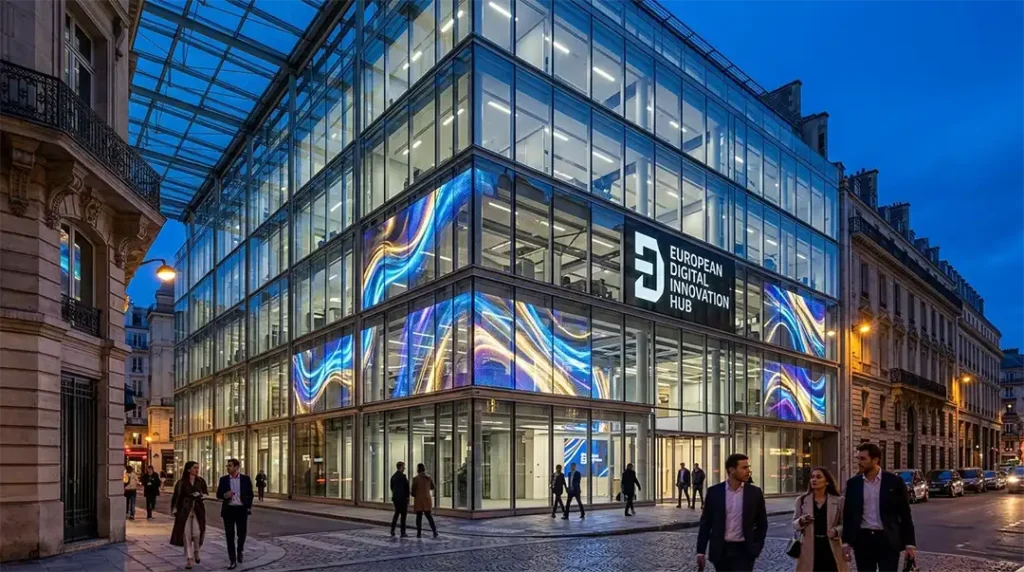
Transparent LED Screens are rapidly replacing traditional retail storefront signage because they deliver higher engagement, superior visibility, and lower long-term operating costs while preserving the storefront’s natural look. Unlike static posters or opaque LED walls, these high-transparency (70–90%) displays turn glass windows into dynamic digital assets without blocking daylight or product visibility.
Traditional signage requires constant reprinting and manual replacement, increasing ongoing costs and limiting flexibility. Transparent LED displays allow retailers to update content remotely in real time, display motion-driven visuals that capture up to 3x more pedestrian attention, and maintain full visibility of in-store products 24/7—making them a more efficient and high-converting solution.
How Do Transparent LED Displays Outperform Traditional Signage?
Dynamic vs. static performance: Motion-based content significantly outperforms static visuals. DOOH industry data shows digital displays can increase foot traffic by up to 30%, with 60% of consumers more likely to enter stores featuring dynamic window content. In retail environments, digital signage has been shown to drive an average 8.1% sales lift, with an additional 11–12% increase when emotional video content is used.
Daylight and nighttime visibility: Traditional posters fade in sunlight and become ineffective at night. Transparent LED screens deliver 4500–6000 nits brightness, remaining clearly visible even under direct midday sunlight—up to 4x brighter than standard LCD window displays. At night, they transform storefronts into illuminated, high-impact advertising spaces without additional lighting.
Lower total cost of ownership: While initial investment is higher than printed materials, transparent LED displays eliminate recurring costs such as printing, installation, and disposal. With a lifespan exceeding 50,000 hours and minimal maintenance requirements, most systems achieve ROI within 18–24 months in high-traffic retail locations.
No obstruction of natural light: Unlike traditional LED screens that create a solid visual barrier, transparent LED displays maintain 70–90% transparency, allowing natural light to enter and keeping interior products visible. This open, well-lit environment has been shown to increase customer dwell time and purchase intent.
Real-World Adoption Trend
The global retail digital signage market is projected to reach $24.16 billion in 2026, growing at a CAGR of 8.1%. Leading brands are already adopting transparent LED solutions to modernize storefronts. For example, Sky implemented transparent LED displays across flagship stores in major UK cities, replacing static vinyl signage with dynamic visuals—resulting in improved engagement while preserving architectural aesthetics.
Transparent LED displays are not just a signage upgrade—they are a strategic retail tool that combines digital marketing, space design, and customer engagement into a single high-performance solution.
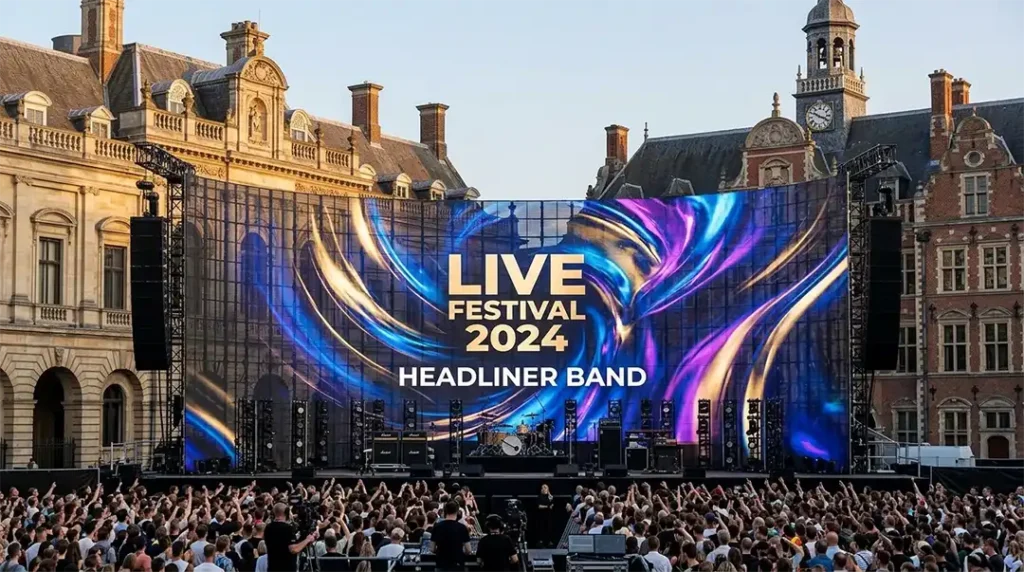
How Do Transparent LED Screens Increase Foot Traffic for Retail Stores?
Human vision is hardwired to detect motion. A static poster blends into background architecture after three seconds of viewing. A transparent LED screen showing high-resolution video — product close-ups, live social media feeds, countdown timers — commands attention consistently.
The foot traffic numbers are striking. Stores with transparent LED installations report average foot traffic boosts of 30 to 50 percent, and conversion rates among those who enter can increase by up to 600 percent depending on content personalization and interactivity. Here’s how transparent LED achieves these results:
- Motion attracts attention 400% more effectively than static: Neuroscience research consistently shows that the human peripheral vision system is optimized to detect movement. A static poster may get a glance; a video of a diamond catching light from different angles, or a car rotating slowly on a glass showroom screen, holds attention for significantly longer.
- Real + virtual product blending creates “try before you enter” moments: A clothing retailer can show a video of a model wearing their latest collection behind a glass storefront — the digital content “floats” over the actual mannequins inside. A car showroom can display a rotating 3D animation of a new vehicle model on the showroom glass, with the actual car visible right behind it. This layered visual experience increases dwell time at the window, and longer dwell time correlates directly with higher entry rates.
- Time-sensitive content drives immediate action: One beverage chain tested transparent LED screens on storefront windows. By displaying a “Happy Hour: 30 minutes remaining” countdown timer visible from the sidewalk, they saw a 28% increase in last-hour foot traffic compared to weeks when no timer was shown. Traditional posters cannot deliver this kind of urgency-based trigger.
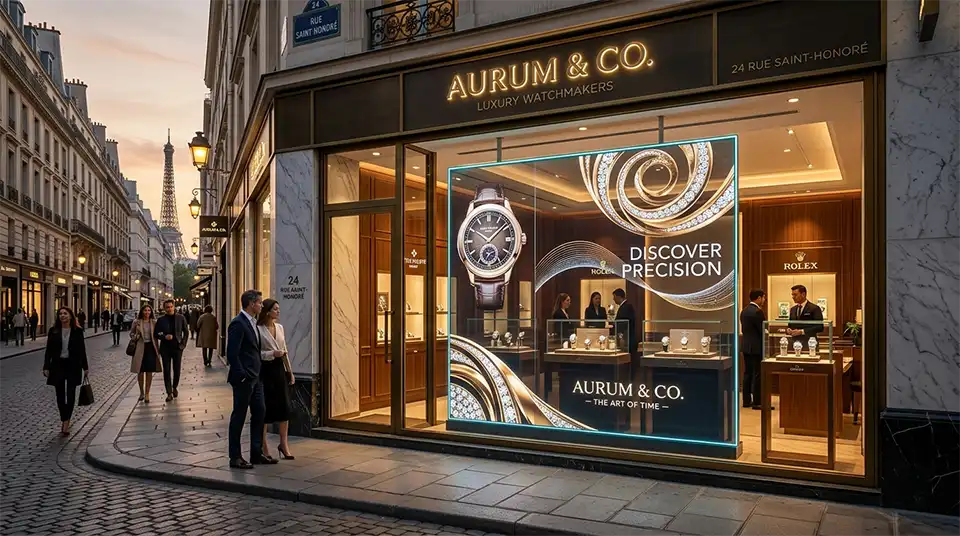
For jewelry shops and fashion stores especially, the high transparency (80–90%) lets customers see the actual merchandise through the screen while the digital display adds a premium, high-tech brand halo.
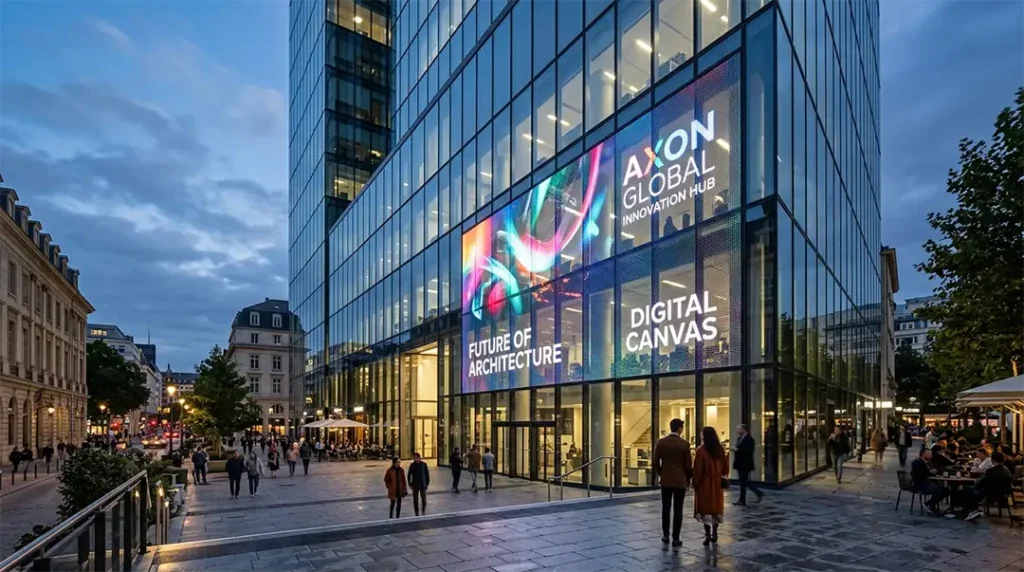
What Are the Key Benefits of Transparent LED Window Displays for Retailers?
Retailers choose transparent LED over traditional signage for five specific operational and financial advantages that go beyond just looking cool.
High transparency (70–90%) preserves natural light and interior views.
This is the non-negotiable feature. A retail storefront is still a window — customers need to see inside. Transparent LED displays from Adhaiwell achieve up to 90% transparency on the holographic film series, meaning the glass remains functional as a window while also functioning as a digital billboard. The outdoor version still hits 65–80% transparency while being fully weather-sealed.
Lightweight construction and easy installation eliminate structural costs.
Traditional LED screens require steel framing, reinforced mounting points, and often building permits. Transparent LED changes this completely. The indoor glass display mounts with steel cables and custom brackets — no drilling. The holographic LED film uses peel-and-stick adhesive application directly onto existing glass, with no additional structure required. Installation time drops from weeks to days, and structural engineering costs disappear.
Energy savings and long lifespan lower total cost of ownership.
Because transparent LED screens don’t use a power-hungry backlight — each LED emits its own light — they consume significantly less electricity than traditional backlit displays or LCD window screens. The self-emissive design means power is drawn only when pixels are actually lit. With typical lifespans of 50,000–100,000 hours, a transparent LED screen installed today will still be running daily for the next 8–12 years.
Remote content management turns storefront into a marketing channel.
Cloud-based control systems let marketing teams update every storefront screen in a retail chain simultaneously from a single dashboard. New product launch? Push the video to 50 locations in seconds. Holiday sale starts tomorrow? Update content tonight from home. This operational flexibility is impossible with printed signage.
No black mura when turned off.
Most traditional screens look like gray or black rectangles when powered down — an eyesore on premium retail architecture. Quality transparent LED screens, especially the holographic film type at 95% transparency, become virtually invisible when off. The glass looks like ordinary glass.
Indoor vs Outdoor Transparent LED Displays: Which One Should You Choose?
The choice between indoor-rated and outdoor-rated transparent LED screens comes down to three questions: Will the screen face direct sunlight? Will it get rained on? And how much wind load will it experience?
Indoor transparent LED displays
— like Adhaiwell’s Glass Curtain Wall unit — are designed for mall atriums, boutique storefronts inside covered shopping centers, and glass facades that are protected from direct weather exposure. Key specs: 70–90% transparency, moderate brightness (still enough for indirect daylight), front access maintenance, and tool-free hanging installation. These units are ideal for retail stores located inside shopping malls where the building envelope already handles weather protection. Price range: $700–$950 per square meter.
Outdoor transparent LED screens
— like Adhaiwell’s IP65-rated rental screen — are built for street-facing storefronts, exterior glass facades, and commercial buildings exposed to rain, snow, direct sunlight, and wind. Critical features: ≥4500 nits brightness (daylight visibility), IP65 waterproofing on both front and rear, operating temperature range of -20°C to 60°C, and hollow cabinet design that reduces wind resistance for safer high-rise mounting. Price range: $880–$1,200 per square meter.
Holographic transparent LED film screens
— Adhaiwell’s adhesive film — occupy a hybrid position. While primarily designed for indoor or protected installation, the 4500–5000+ nits brightness allows for use behind glass in outdoor-facing applications where the building’s window glass provides weather protection. The key advantage here is geometry: this is the only type that works on curved, arched, or irregular-shaped glass. Weight under 4kg/m² means zero structural reinforcement needed. Price range: $1,600–$1,800 per square meter.
The decision framework:
- Inside a mall or covered shopping center? → Indoor Glass Curtain Wall (lowest cost, easiest maintenance)
- Street-facing storefront exposed to weather? → Outdoor Transparent Screen (must have IP65 and high brightness)
- Curved glass, unique architecture, or weight-sensitive building? → Holographic LED Film (flexibility and invisibility when off)
- Rental application or temporary installation? → Outdoor rental screen with quick-lock system
As a rule of thumb: if you can see direct sunlight hitting the glass surface from the outside, you need an outdoor-rated screen with at least 4500 nits brightness.
How to Install Transparent LED Displays on Glass Windows Without Damage
Unlike traditional signage that often requires drilling into walls or frames, transparent LED screens are designed for non-invasive installation — making them ideal for retail storefront renovations where landlords prohibit permanent modifications.
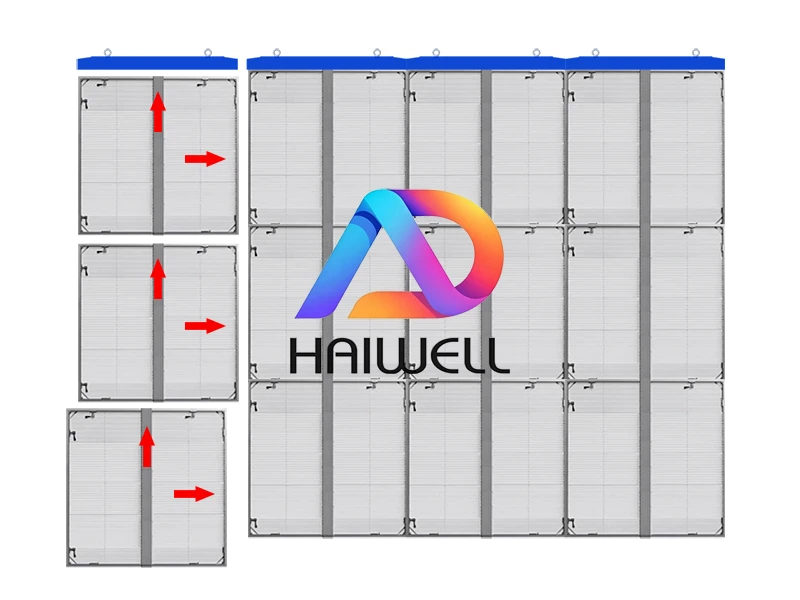
The installation method varies by product type:
- Adhesive application (for holographic LED film screens): Clean the glass surface thoroughly with alcohol to remove dust and oil. Peel the protective film from the LED film’s adhesive backing. Apply the film to the glass using a rubber roller or squeegee to remove air bubbles. Connect power and signal cables — these can be routed through existing window gaskets without drilling. Total installation time for a standard shop window: 2–4 hours.
- Frame or hanging bracket installation (for indoor glass curtain wall displays): Mount lightweight steel cables or custom brackets to the building’s existing structure above the window — no drilling into the glass itself. The LED cabinet hangs from these cables, sitting flush against the glass surface. Cable length can be adjusted to achieve perfect alignment. This method allows for larger screen sizes and easier access for maintenance from behind.
- Quick-lock modular assembly (for outdoor rental screens): Use die-cast aluminum cabinets with built-in quick-lock systems. Cabinets connect to each other side-by-side to form larger displays, then attach to a lightweight support frame or hang directly on facade mounting points. The hollow cabinet design reduces wind load, which is critical for elevated installations.
Key compatibility note: All three installation types work on existing glass. You don’t need to replace the window or modify the building facade. Adhaiwell’s solutions are specifically engineered for retrofit projects where minimizing structural changes is a priority.
One caveat: For adhesive film installations, glass must be structurally sound and free from cracks or chips. The adhesive itself is strong but removable with proper heating tools, making it safe for leased retail spaces where the installation must be reversible at lease end.
Real Application Scenarios Across Industries
Transparent LED displays are not one-size-fits-all. Different retail verticals use them differently based on customer behavior, product type, and store layout.
Retail fashion stores: Use glass-mounted transparent LED screens to showcase video lookbooks, runway footage, and user-generated content from social media. The high transparency (80–90%) keeps the actual clothing displays visible through the screen, creating a layered “digital dressing room” effect from the sidewalk. Luxury fashion brands particularly value the “invisible when off” feature — no black rectangles cluttering premium storefront aesthetics.
Jewelry shops: Small-format transparent LED displays (often P3.9–P5 pixel pitch for higher resolution) mounted directly on or behind showroom windows. Jewelry retailers report that slow-motion video of diamonds catching light drives significantly more window shopping stops than static displays. The high brightness (4500+ nits) ensures gemstone sparkle effects remain visible even in bright mall lighting conditions.
Automotive showrooms: Large-scale glass facade installations showing rotating 3D vehicle models, customization options, and promotional financing rates. Customers standing outside can see the actual cars inside while watching digital content about features they cannot see from the street — engine specs, interior details, safety ratings. Dealerships using this approach report higher “entry-to-test-drive” conversion rates.
Shopping malls: Atrium and glass railing installations where transparent LED screens serve both advertising and wayfinding functions. The Asia’s largest indoor transparent LED screen now operates at CentralWorld mega-mall in Bangkok, demonstrating the scale possible with this technology.
Beverage chains: Quick-service restaurants mount transparent LED screens on street-facing windows to display rotating menu items, limited-time offers, and real-time order volume (e.g., “15 drinks served in the last 10 minutes” to signal popularity). The ability to update content remotely means franchise locations can run location-specific promotions without central IT support.
Car showrooms are a particularly strong use case: Adhaiwell’s outdoor transparent screen at 4500+ nits ensures vehicle promotion videos remain visible even when the showroom glass is directly hit by afternoon sun. The IP65 rating protects against rain and humidity, crucial for dealerships in variable climates.
Why Choose a China Transparent LED Display Manufacturer
For overseas B2B buyers — system integrators, procurement managers, advertising agencies — sourcing transparent LED displays from China manufacturers like Adhaiwell offers three distinct advantages over Western or local suppliers.
Cost advantage of 30–50%:
A transparent LED screen from a China manufacturer typically costs $700–1,800 per square meter depending on pixel pitch and features. The same specifications from a European or North American manufacturer often run 30–50% higher due to labor costs, regulatory overhead, and smaller production runs. For a 50-square-meter retail chain rollout, this difference can mean saving $20,000–$50,000 or reinvesting the same budget into larger screens or more locations.
Customization capability at scale:
China LED manufacturers, particularly those in Shenzhen’s manufacturing cluster, routinely handle custom pixel pitches, non-standard cabinet sizes, and specialized coatings for anti-glare or UV protection. Adhaiwell’s factory in Shenzhen has produced transparent LED screens for glass curtain walls, rental events, and holographic film applications — all from the same production line with customizable parameters. This flexibility is essential for retailers with unusual window dimensions or specific brightness requirements.
Fast production and proven global export experience:
China manufacturers have supply chains that deliver raw materials — LEDs, drivers, PCBs, aluminum cabinets — within days, not weeks. Lead times for custom orders from Adhaiwell typically run 15–25 days, compared to 8–12 weeks from smaller regional suppliers. Additionally, China LED manufacturers ship globally every day. They understand export documentation, HS code classification (LED display components typically fall under HS code 8531200000), and logistics partnerships that deliver to US, European, Middle Eastern, and Southeast Asian destinations.
Quality at lower cost:
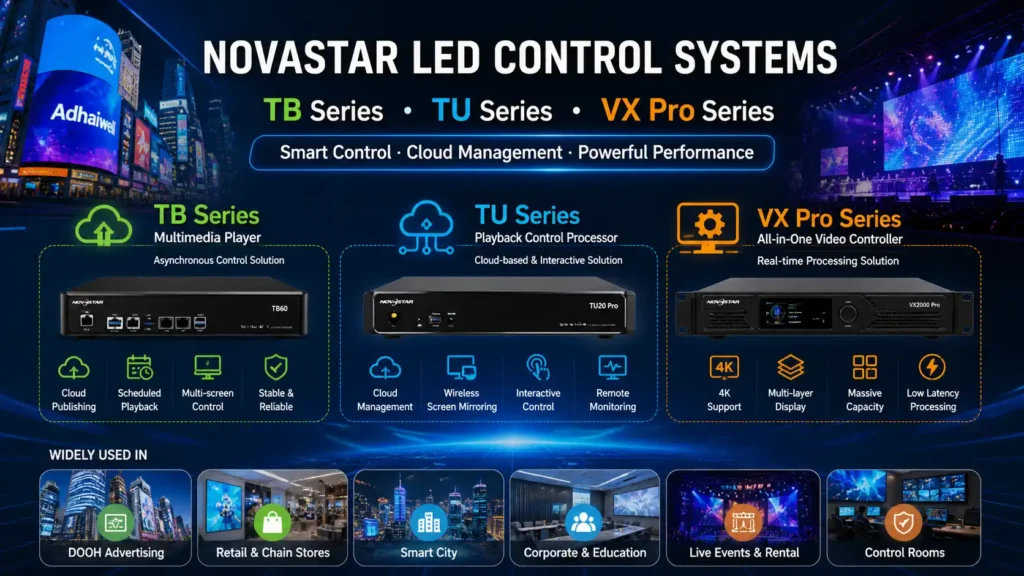
A common misconception is that lower price means lower quality. In China’s mature LED manufacturing ecosystem, lower cost comes from vertical integration and massive component purchasing power, not corner-cutting. Adhaiwell uses Nationstar LEDs (a top-tier Chinese LED chip manufacturer) and Novastar control systems (the industry standard globally for LED display controllers). The result is a Tier 1 component spec at a Tier 2 price point.
For buyers in the US market specifically, China manufacturers have streamlined shipping to major ports (Los Angeles, Long Beach, Newark) with lead times of 25–35 days door-to-door for sea freight. Air freight options available for urgent projects at higher cost.
Adhaiwell Transparent LED Display Solutions
Adhaiwell offers three distinct transparent LED product lines, each engineered for specific retail applications and installation environments.
Indoor Glass LED Display:
This is the workhorse for retail storefronts inside shopping malls, boutique shops, and commercial building lobbies. Key specs include 70–90% transparency, P3.9×7.8 pixel pitch, 50mm ultra-slim cabinet depth, and tool-free hanging installation. Price range: $700–950 per square meter. Best for: fashion retail, electronics stores, and any indoor storefront where natural light preservation is essential.
Outdoor Transparent LED Screen:
Built for street-facing retail and exterior glass facades. Key specs include IP65 waterproof rating, ≥4500 nits brightness, 65–80% transparency, ±15° arc lock capability for curved installations, and operating range of -20°C to 60°C. The die-cast aluminum cabinet weighs just 15kg/m² with a quick-lock system for fast deployment. Price range: $880–1,200 per square meter. Best for: car showrooms, flagship stores on busy streets, and any exterior-facing window display exposed to weather.
Holographic Transparent LED Film Screen:
The premium option for curved glass, complex architectural surfaces, and weight-sensitive installations. Key specs include 90%+ transparency, under 4kg/m² weight, 4500–5000+ nits brightness, flexible and cuttable film geometry, and adhesive frameless mounting. Supports single- or double-sided display configuration. Price range: $1,600–1,800 per square meter. Best for: luxury retail flagships, airport retail, atrium installations, and any curved or irregular glass surface where rigid panels won’t work.
Custom solutions:
All three product lines support custom sizing based on window dimensions, custom pixel pitches for specific viewing distances, and branding requirements. Adhaiwell’s engineering team in Shenzhen works directly with overseas integrators to produce non-standard configurations — curved cabinets, unusual aspect ratios, specialized mounting brackets for unique building architectures.
For buyers evaluating multiple product lines, a common pattern is: use indoor glass LED for back-of-mall locations, outdoor screen for street-facing windows, and holographic film for the flagship curved glass corner entrance.
Frequently Asked Questions: Transparent LED Display
This guide is written by the Adhaiwell engineering team, a group of LED display specialists with 16+ years of experience designing and deploying transparent digital signage solutions for retail, commercial architecture, and DOOH projects worldwide. We have delivered over 1,000 storefront display projects across 60+ countries, and our content is based on real-world field data, factory testing results, and direct feedback from global retail clients and system integrators.
Ready to Upgrade Your Retail Storefront?
If you’re planning a transparent LED display project for your retail storefront, the Adhaiwell team can provide a free custom quote and feasibility assessment based on your window dimensions, location, and branding goals. Contact us today to discuss your project.