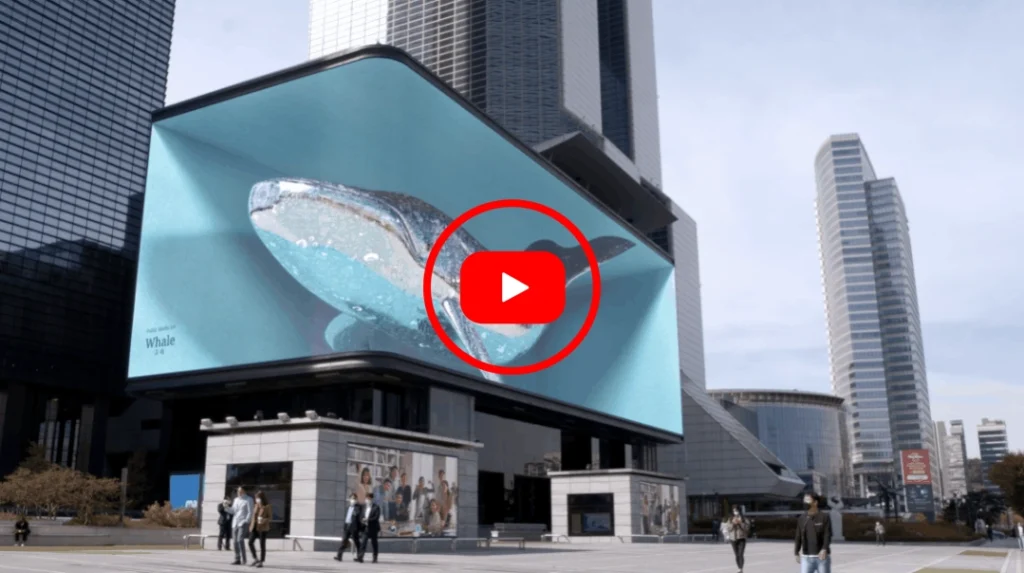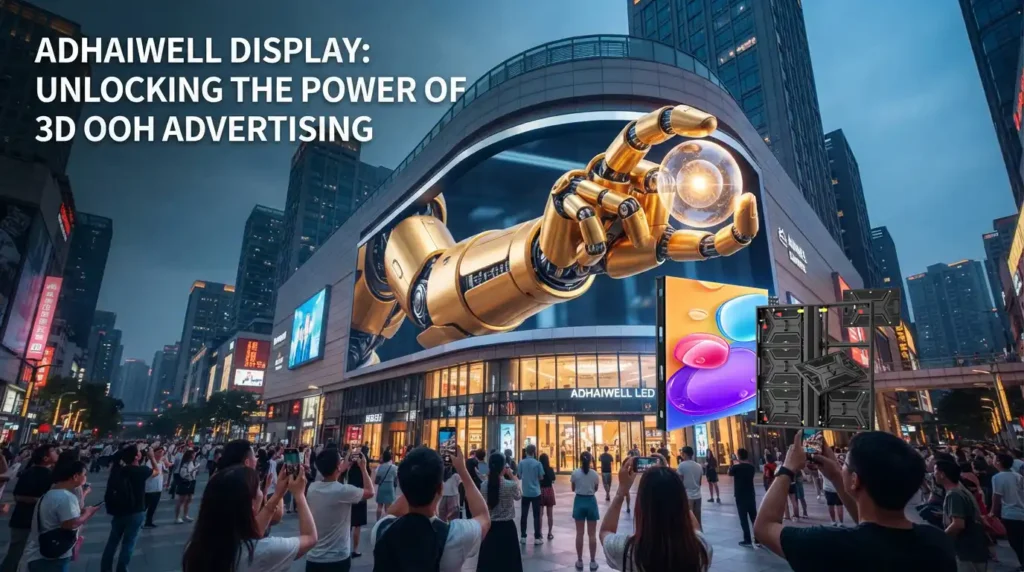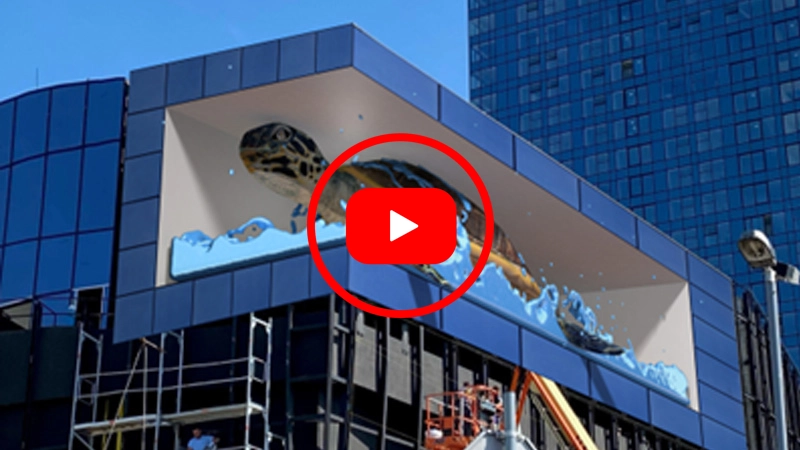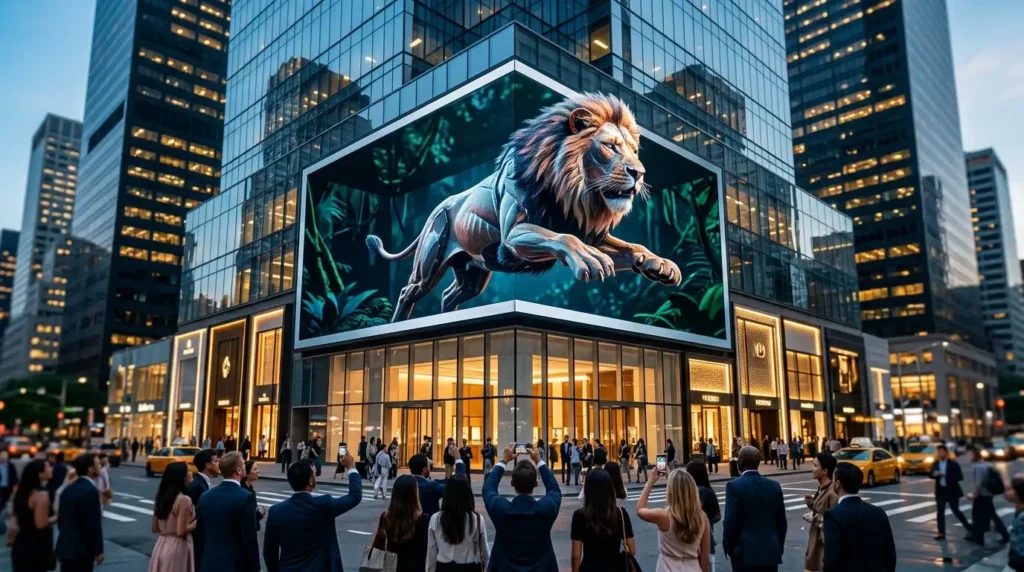
A naked-eye 3D LED screen business works when you treat the screen as revenue-generating operating equipment, not decoration. The screen occupies a landmark position, sells attention to brands, runs many campaigns a year on the same hardware, and pays back over a service life measured in years. This article explains the business logic behind 3D LED media, how landmark screens earn, which sites and specifications justify the investment, what the price really covers, and how engineers, procurement teams and owners should evaluate a manufacturer and a custom project before signing.
Key Takeaways
- A naked-eye 3D LED screen should be run as revenue-generating operating equipment: one installation, many campaigns, repeatable income.
- Landmark placement does the heavy lifting: a visible 90-degree corner in a core commercial district turns the screen into a city-scale visual event, and check-in behavior converts paid exposure into organic social reach.
- Operator-reported campaign data from China’s 2025-2026 out-of-home market shows why brands pay for 3D: roughly 7x the attention of flat content and multi-fold ROI on event takeovers.
- Budget four lines — display hardware, structure, anamorphic content, and 5-10% annual maintenance — before comparing any supplier quotation.
- Vetting the manufacturer matters more than the unit price: factory audit, 72-hour burn-in evidence, corner trial assembly and a documented custom project process separate real factories from resellers.
Why Is a Naked-Eye 3D LED Screen Operating Equipment, Not a Cost?
Because the same installation generates income repeatedly — a static poster dies with one campaign, while a 3D LED screen sells its capacity season after season. That distinction drives every decision that follows: site, specification, content budget and supplier choice.
The market context supports the model. PW Consulting sizes the global naked-eye 3D display market at US$4.45 billion in 2025, rising to US$11.14 billion by 2032 (about 14.0% CAGR), with outdoor installations at 70.2% of deployments and commercial advertising accounting for 55.3% of demand. Separately, the World Out of Home Organization (WOO) puts global digital out-of-home spend at US$25.5 billion in 2025, moving to US$28 billion in 2026. Both are third-party estimates from commercial research whose methodologies differ, so treat them as directional context rather than a revenue forecast for any single screen.
Five operating characteristics make the hardware commercially resilient:
- Attention capture. High brightness, large canvas and saturated color hold pedestrian gaze at distance. In China’s 2025-2026 out-of-home trade coverage, operator-reported monitoring data (Miaozhen Systems) put average attention on 3D anamorphic content at roughly 7 times that of flat 2D content.
- Content flexibility. Remote CMS publishing replaces printed vinyl changes: video, motion graphics and playlists can be swapped per daypart, festival or product launch without anyone climbing a ladder.
- Digital and programmatic readiness. As DOOH inventory, the screen can connect to data platforms for time-based delivery, audience targeting and exposure verification — the foundation of brand-performance combined campaigns.
- Asset reuse. One installation cycles through many advertisers. There is no recurring printing, re-pasting or manual posting cost, which is why long-term and multi-client rotation models favor LED over paint.
- Venue endorsement. Landmark positions in core commercial districts carry a credibility halo that brands pay a premium for, especially for product launches and overseas market debuts.
How Does a Landmark 3D LED Screen Actually Earn Money?
Through stacked revenue layers on one asset: direct media sales, multi-advertiser rotation, event takeovers, and programmatic DOOH fill — plus the organic social reach that a well-executed 3D moment generates for free.
Recent operator-reported campaigns from China’s landmark-media market (2025-2026, reported in out-of-home trade coverage) show the mechanics:
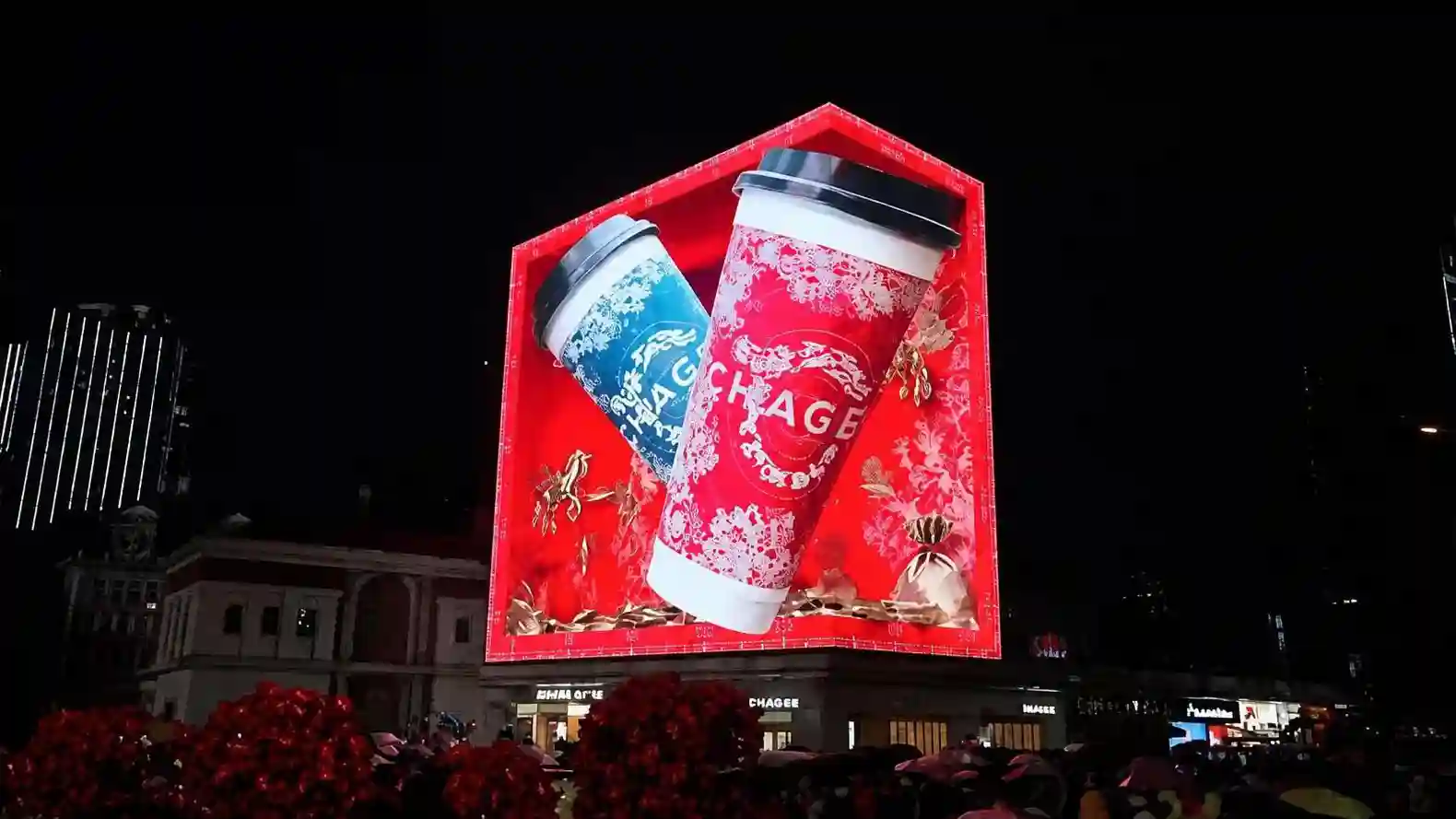
3D LED New Year Countdown Campaign & Brand Activation
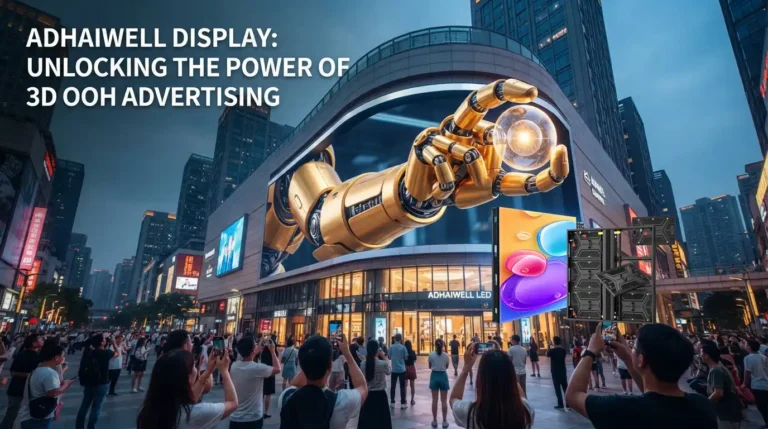
A tea brand booked a 20-minute New Year countdown slot on a landmark 3D LED billboard in a busy pedestrian district. Its anamorphic creative turned the screen into a time-limited brand activation. Operator-reported figures recorded a peak crowd of over 120,000, more than 2.3 million people reached within 300 metres, and over 100 million topic views in 48 hours. Nearby businesses reported sales growth above 150% that evening. The campaign shows how 3D LED advertising can connect landmark media, public participation and social sharing. Outcomes can vary.
Anamorphic 3D LED Billboard for Sports-Themed Advertising
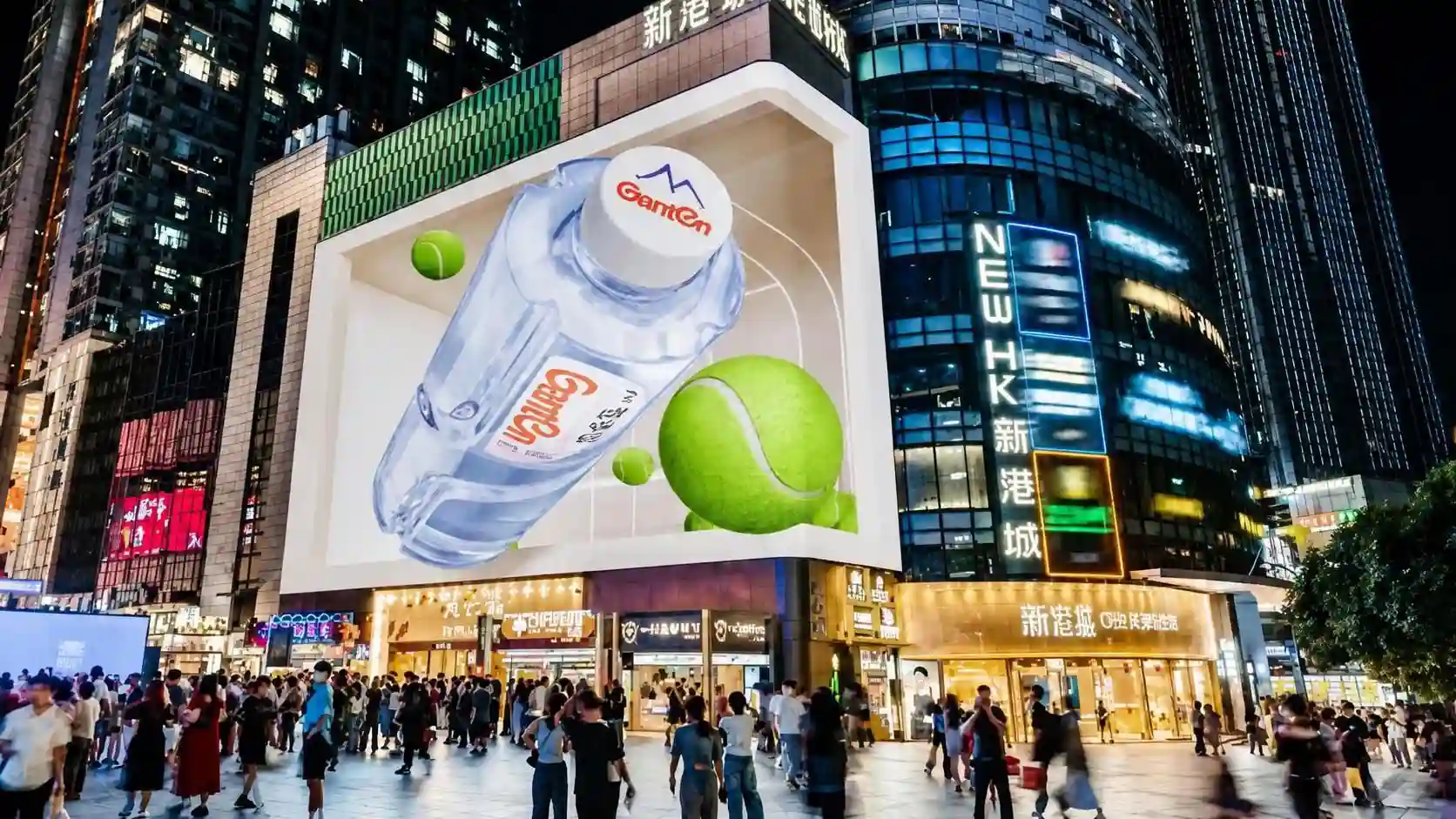
A bottled-water brand ran a tennis-themed anamorphic 3D advertisement on a landmark corner 3D LED billboard. Its corner format and depth effect helped the sports creative stand out in a busy urban setting. Operator-reported figures recorded over 1.05 million impressions in one day. Passers-by stopped to watch, photograph and record the display, while user-generated posts extended its reach beyond the site. This example shows how 3D LED billboard advertising can combine location-based visibility with social sharing. Outcomes vary by site and timing too.
Multi-City 3D LED Advertising Campaign for Product Launches
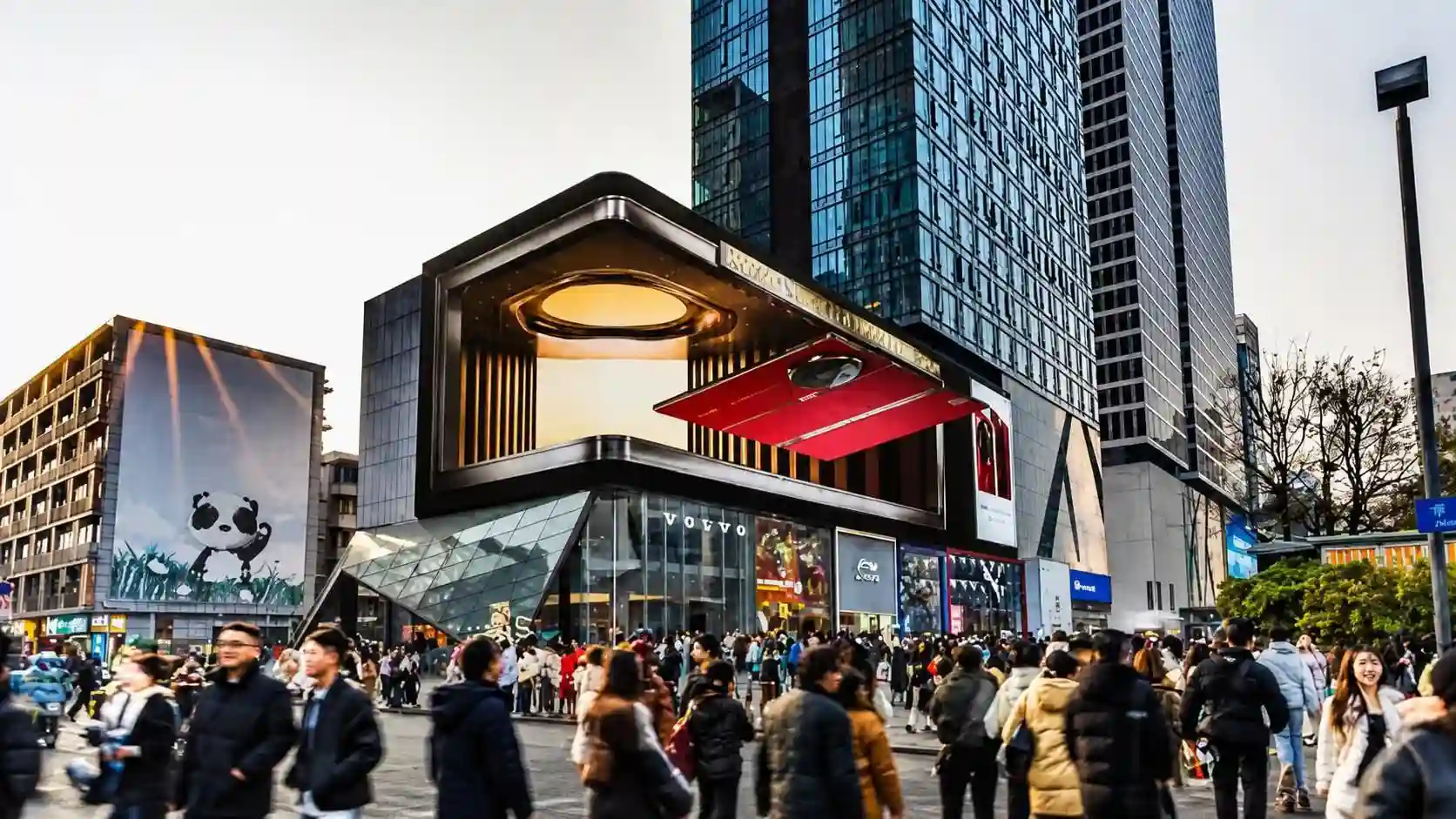
A consumer electronics brand launched the same 3D creative across landmark LED screens in seven cities. Each screen played the advertisement 240 times per day for approximately five weeks. Operator-reported figures put total campaign impressions at approximately 26.18 million. The synchronized schedule maintained consistent product-launch messaging and repeated exposure across multiple markets. This example shows how a multi-city 3D LED advertising campaign can support coordinated product launches with one creative and a planned outdoor media schedule.
3D LED Live Sports Broadcasting & Public Viewing Experience
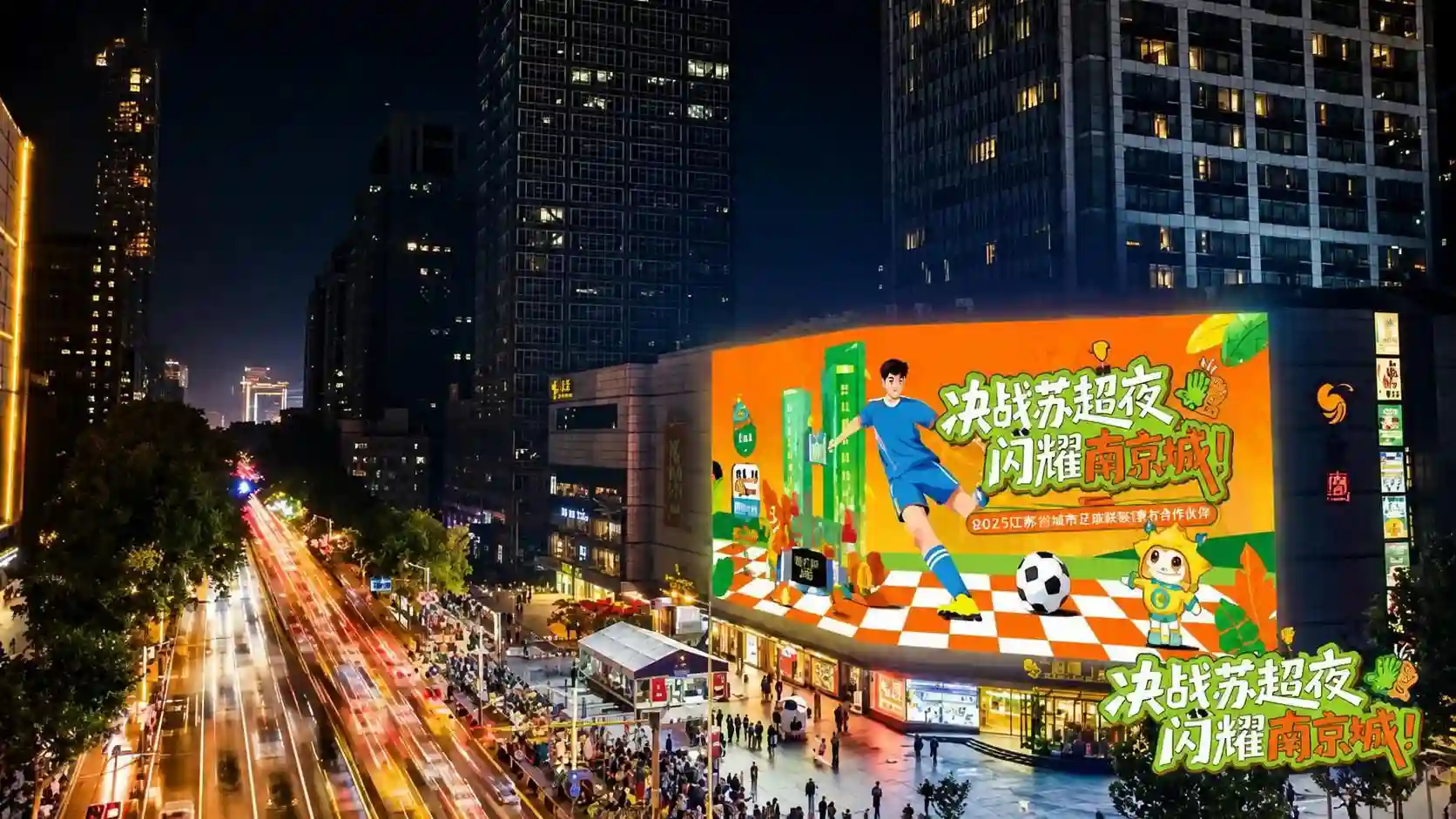
A regional football league final was broadcast on a landmark dual-4K 3D LED screen, turning the site into a public sports-viewing destination. Operator-reported figures stated an overall ROI of 1:8.6, a CPM around 40% below the industry average, and sales above RMB 40 million at a neighbouring mall that day. The example demonstrates how 3D LED live broadcasting can bring sports content, public gathering and nearby retail activity together beyond a conventional outdoor ad placement. Performance depends on venue, timing, audience and broadcast delivery!
Anamorphic 3D LED Advertising vs. Static Outdoor Ads
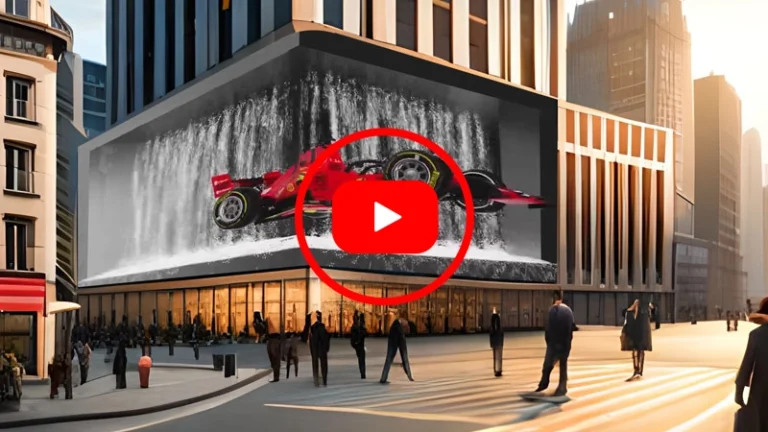
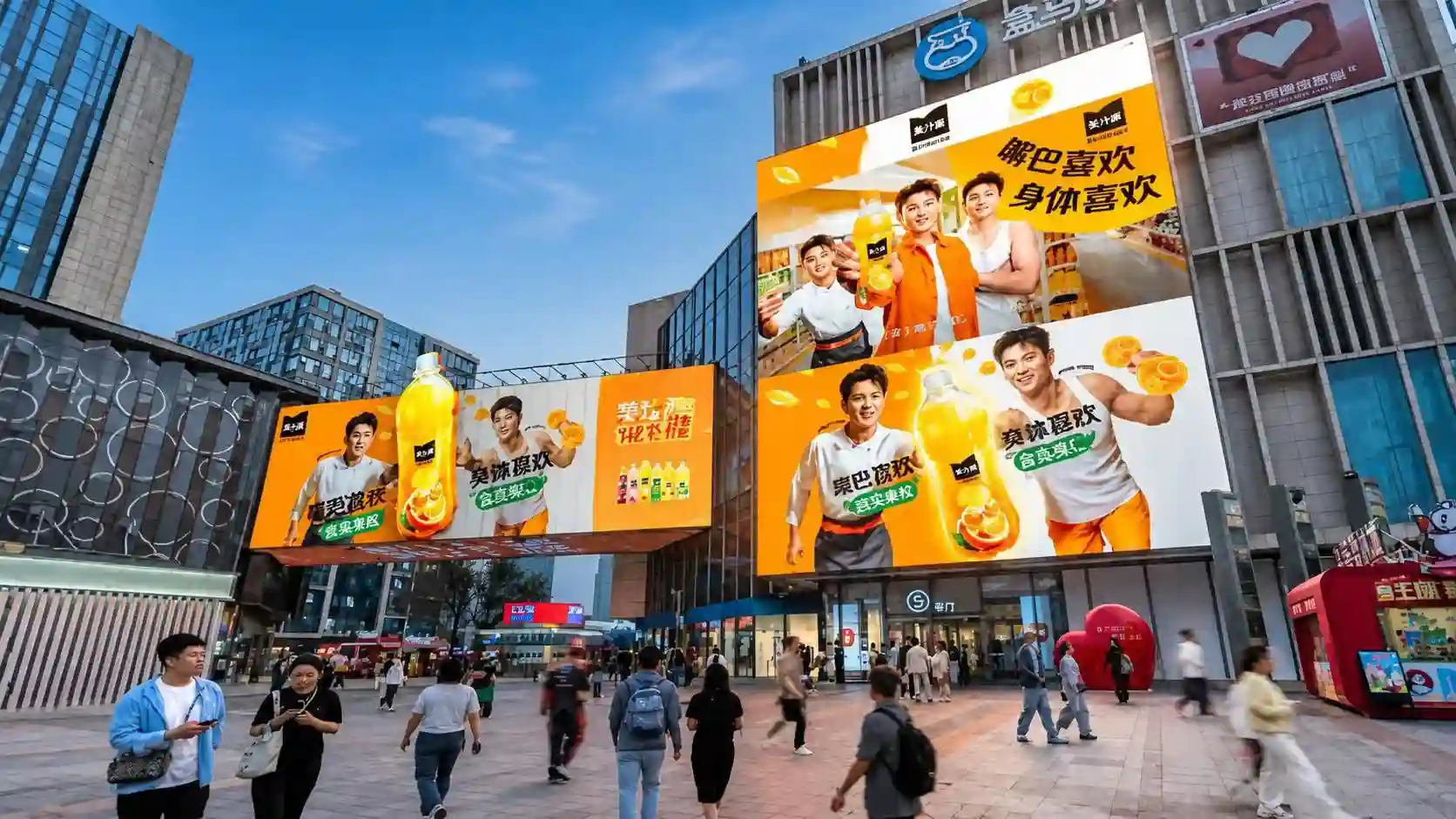
A juice brand used a break-the-frame anamorphic 3D LED advertisement to make its product appear to extend beyond the screen. Operator-reported figures showed audience dwell time 40% longer than with static advertising and an overall ROI 2.3 times that of the static comparison campaign. The creative used depth, motion and visual storytelling to attract attention and encourage viewers to stop and watch. This example highlights the engagement potential of anamorphic 3D LED advertising compared with static outdoor creative. Actual results vary by location.
3D LED IP Collaboration Campaign & Offline-to-Online Brand Engagement
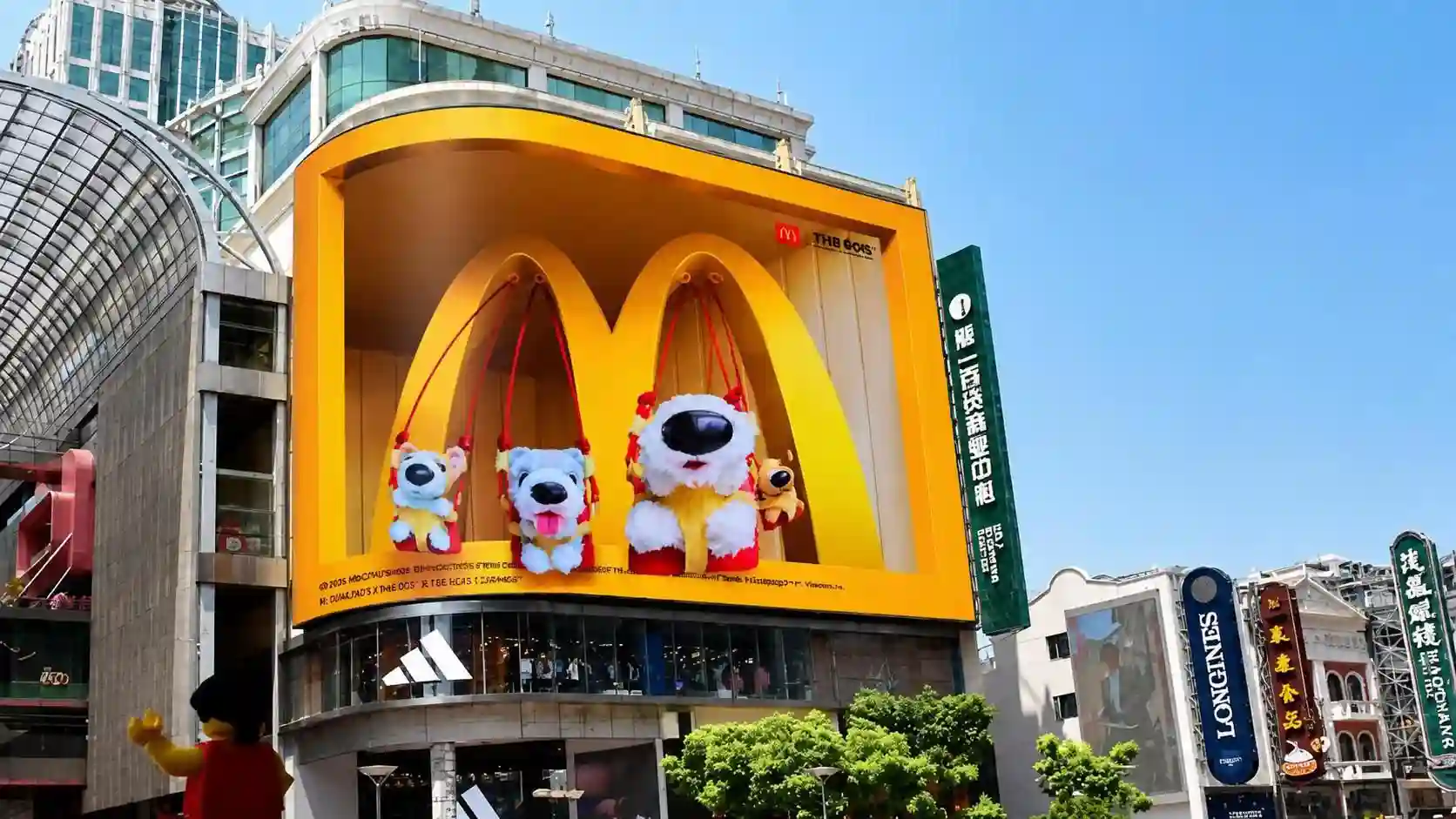
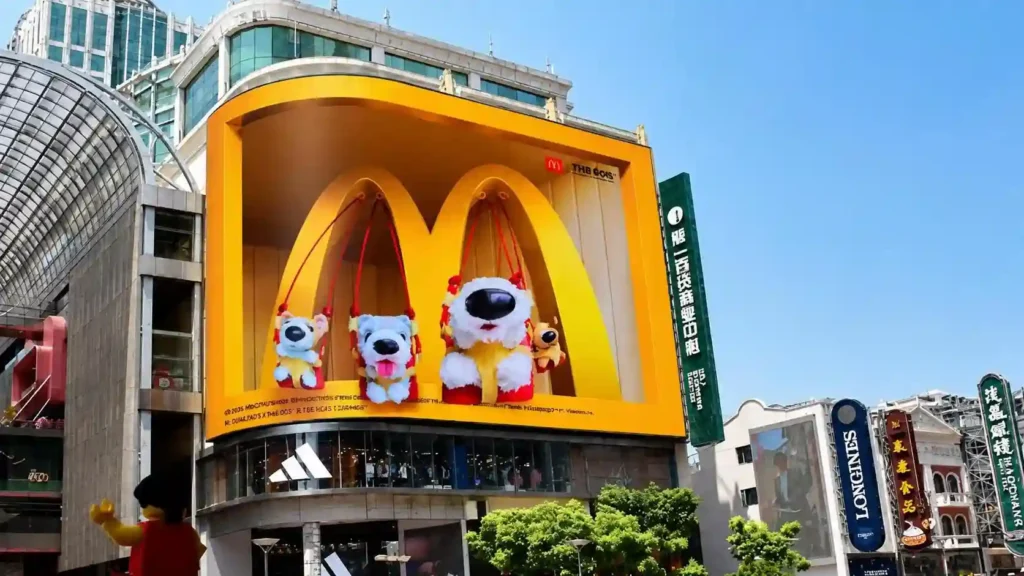
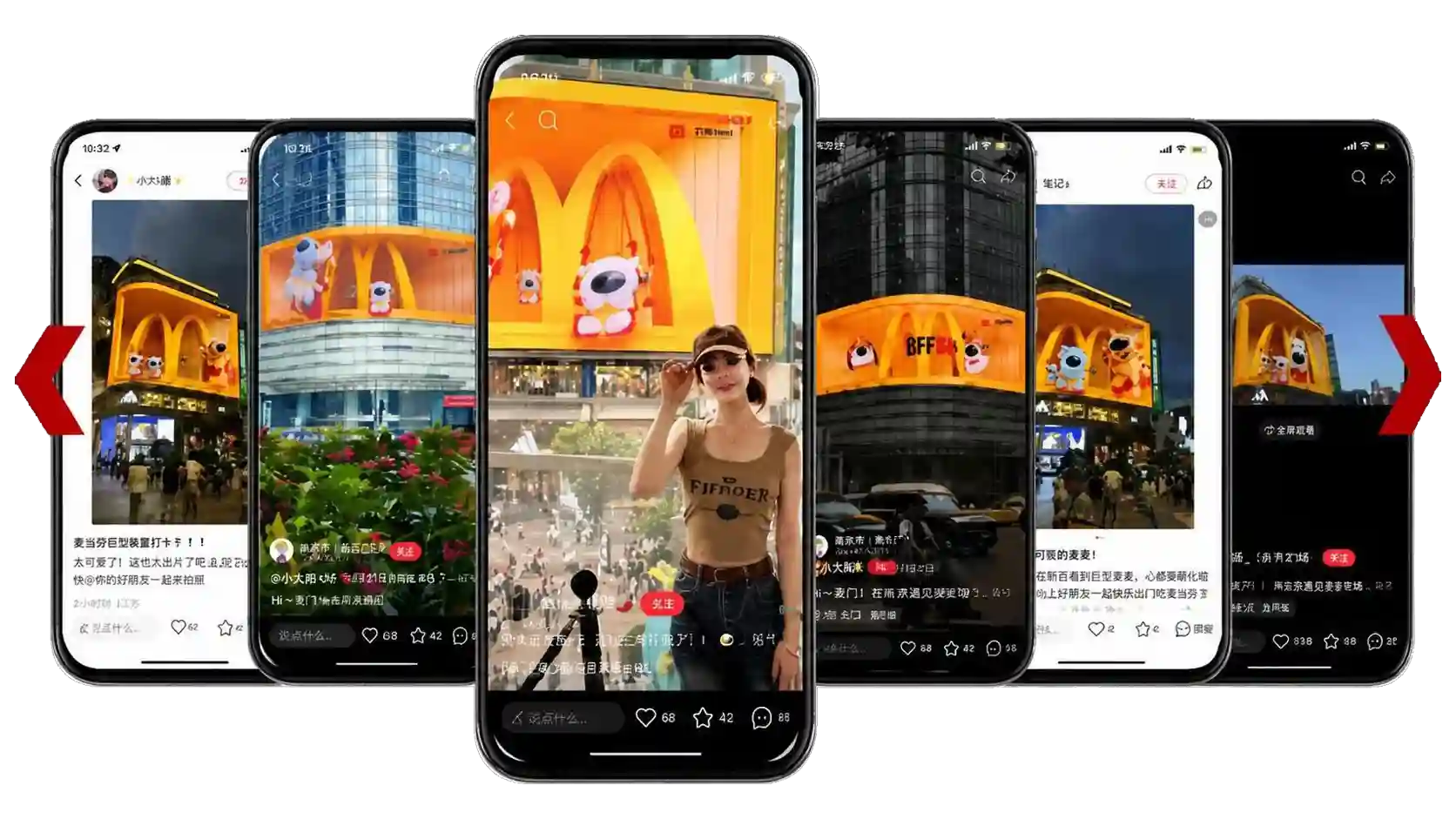
A quick-service restaurant brand partnered with a nostalgic cartoon dog IP to create an anamorphic 3D LED advertising experience. Featuring the characters on a garden swing that appeared to move beyond the screen, the creative was displayed for one week across two landmark screens in the central commercial districts of two major Chinese cities. According to operator-reported data from Miaozhen Systems, the campaign covered 11.55 million people-and-vehicle traffic during the placement week. Third-party platform monitoring also estimated 122,700 reads and 12,000 interactions on a lifestyle social platform through user check-in posts. Online engagement peaked shortly after the campaign launch, with audience comments frequently describing the scene as “cute” and “surprising”. This 3D LED IP collaboration demonstrates how landmark outdoor displays can connect offline brand exposure with online social sharing.
The pattern behind these numbers is consistent: immersive visual shock creates memory, the check-in property triggers self-propagation, and the screen graduates from an exposure position to a brand-event venue. That is what brands are buying — and what an operator sells.
Which Sites and Specifications Make a 3D LED Screen Worth the Investment?
A site justifies 3D hardware only when the corner is visible, the forced-perspective viewing zone exists, and the brightness and pitch match the viewing distance. A flat wall with no corner cannot deliver the depth illusion, however good the panel is.
Engineers and procurement teams should verify, in order:
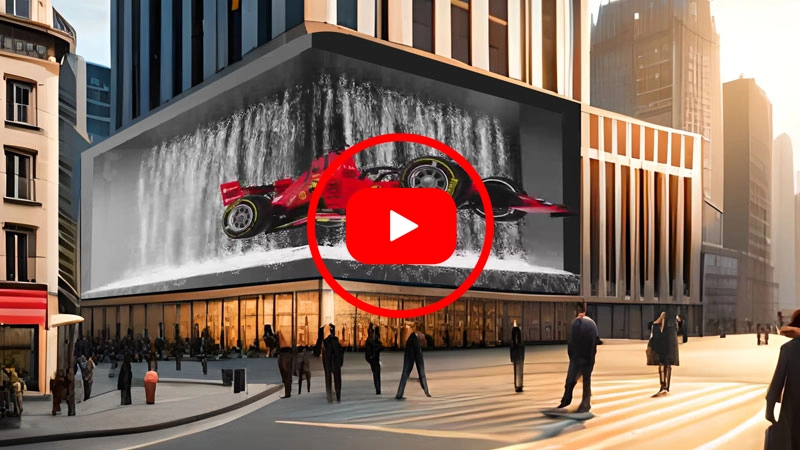
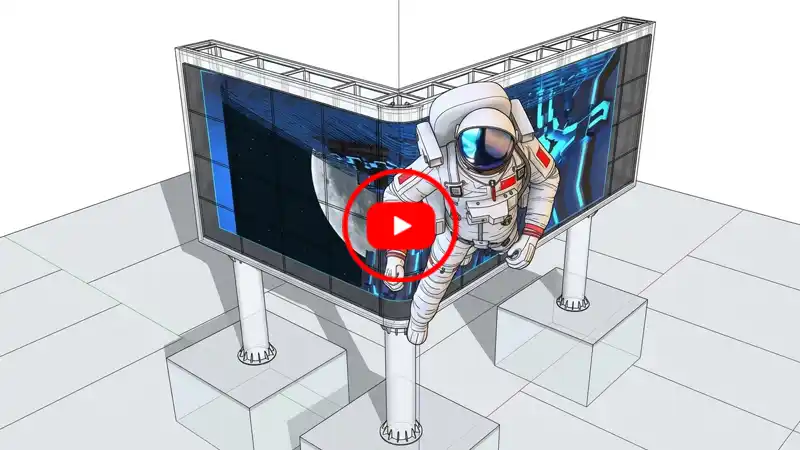
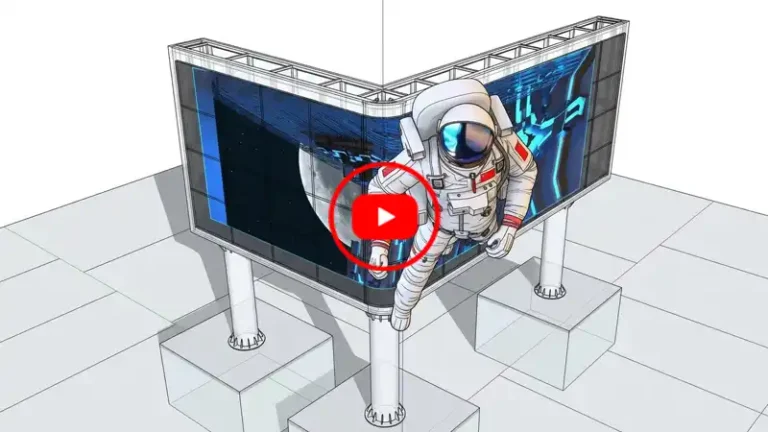
- Corner geometry. The classic anamorphic effect needs a roughly 90-degree corner (or a curved equivalent). For how the naked-eye 3D LED screen illusion actually works — forced perspective plus 1:1 content mapping — see the technical explainer on this site.
- Viewing zone. The comfortable 3D viewing zone spans roughly 1.5x to 3x screen height. Minimum practical corner faces start around 4 x 3 meters; landmark-scale builds run to 10 x 10 meters or larger per face.
- Brightness. Outdoor sun-facing landmark screens need 5,500-10,000 nits depending on pitch and orientation; indoor rental and storefront work sits at 600-4,500 nits.
- Pixel pitch. Match pitch to minimum viewing distance: P6.67-P10.42 for roadside and skyline faces, P4-P6 for closer pedestrian zones. Refresh rate should be 3,840 Hz or higher for camera-friendly capture.
- Deployment precedent. Study where landmark 3D LED displays have actually been deployed and what site-selection logic drove those choices — intersection sightlines, pedestrian dwell areas and media-face visibility dominate the shortlist.
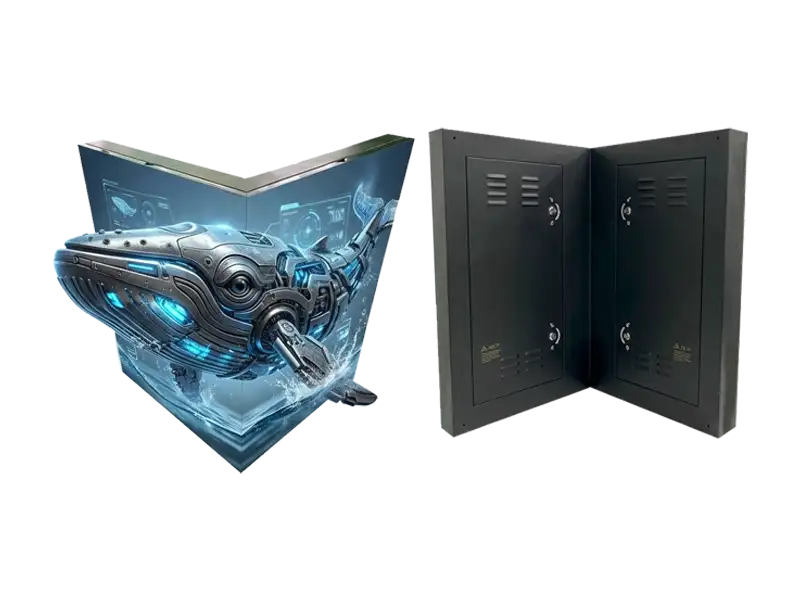
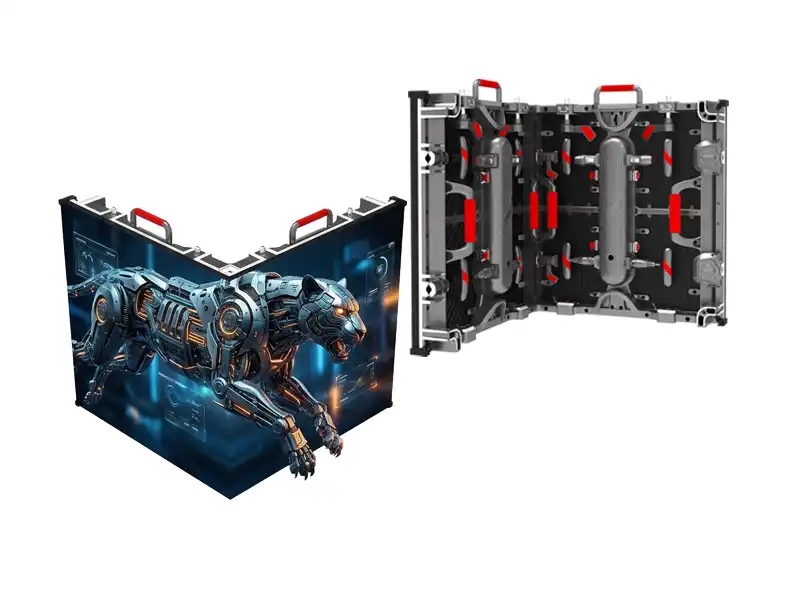

For cabinet architecture, the choice between L-shaped, curved and flat LED cabinets for 3D effect determines both the visual outcome and the structural cost; it should be settled with the manufacturer’s engineering team before any content is commissioned.
What Does the Price of a Naked-Eye 3D LED Display Include — and What Return Should You Model?
The price of a naked-eye 3D LED display covers four budget lines, and comparing only the first one is the most common procurement error. Return modeling must come from the operator’s own media plan, not from a hardware quotation.
- Display hardware. Indicative published ranges on Adhaiwell’s 3D solutions page run roughly US$600-1,200 per square meter depending on pitch, brightness and cabinet platform (list range, subject to configuration confirmation). Larger pitch on a distant skyline face lowers the per-square-meter figure; fine pitch and high brightness raise it.
- Steel structure and installation. Engineering, fabrication and rigging typically scale with site complexity; an engineer should require CAD drawings and structural load calculations for tender support as a deliverable, not a favor.
- Anamorphic content. The 3D creative is a recurring line item — a launch film, a seasonal refresh. It is produced separately from the hardware and must be mapped 1:1 to the installed screen geometry.
- Operations and maintenance. Industry cost guidance (LumenMatrix, 2026) puts annual maintenance contracts at 5-10% of initial installation cost, plus energy of roughly US$5,000-15,000 per year for a 14 x 48 ft face and CMS fees of US$1,000-3,000 per year. Component-level service life guidance (LED Craft, 2026) expects driver boards and power supplies to be the most common service item at 5-8 years, while LED modules run 10-22 years to L70 — budget the allowance accordingly.
On the return side, model occupancy: how many campaign weeks per year the face can sell, at what mix of direct sales, rotation and programmatic fill. The operator-reported ROI figures cited above (1:8.6 on an event broadcast, 2.3x versus static on a 3D creative) are campaign outcomes reported by Chinese media operators, not a guarantee for any specific site — a fuller comparison of DOOH versus static billboard ROI explains why digital faces command structural premiums in occupancy and flexibility.

Which 3D LED Screen Manufacturer and Supplier Deserves Your Shortlist?
A 3D LED screen manufacturer earns a shortlist through factory-level evidence, not through catalogue claims. Because 3D projects combine cabinet engineering, structural design and anamorphic content support, the supplier must control all three — or visibly partner for them.
Checklist for vetting a 3D LED screen supplier:
- Factory in Shenzhen. The differences between Shenzhen-based 3D LED billboard manufacturers are mostly in process control, not price.
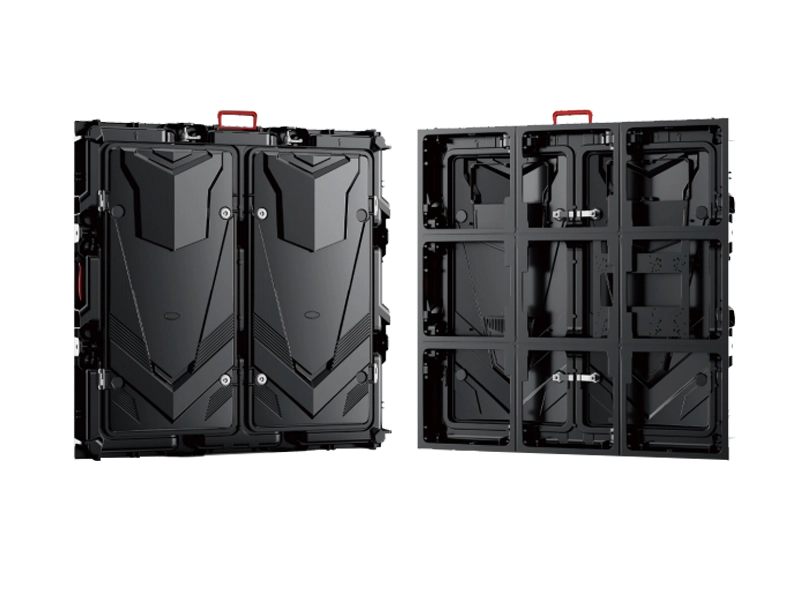
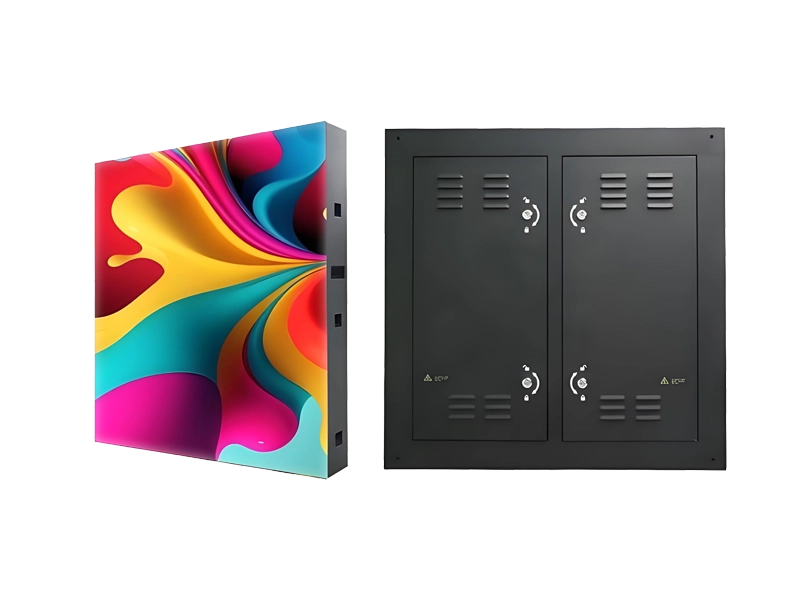
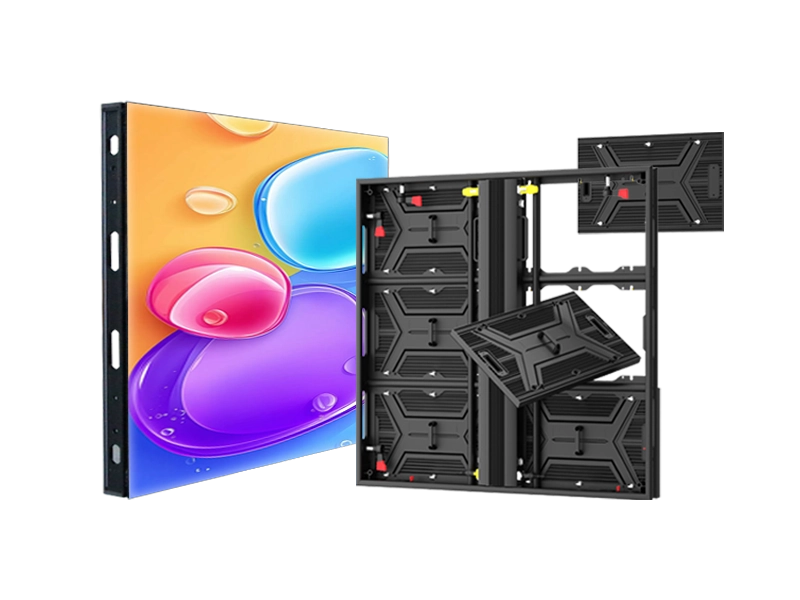
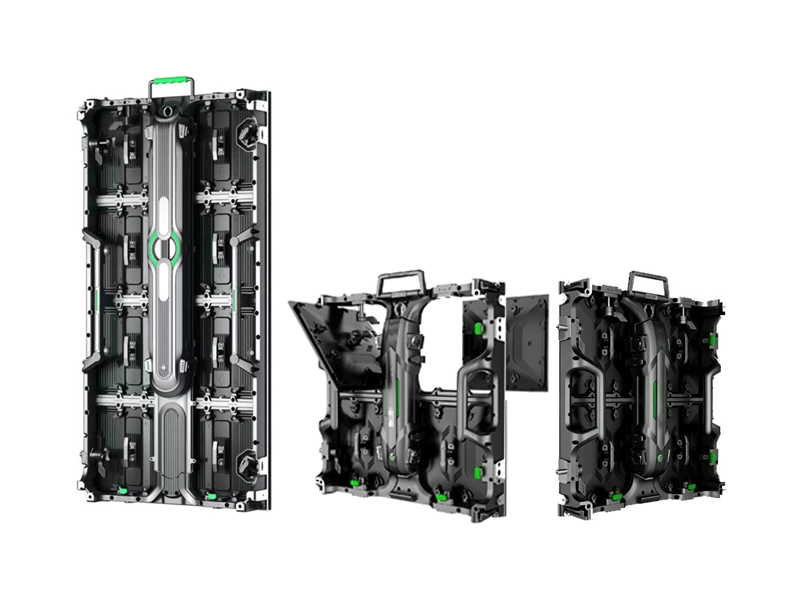
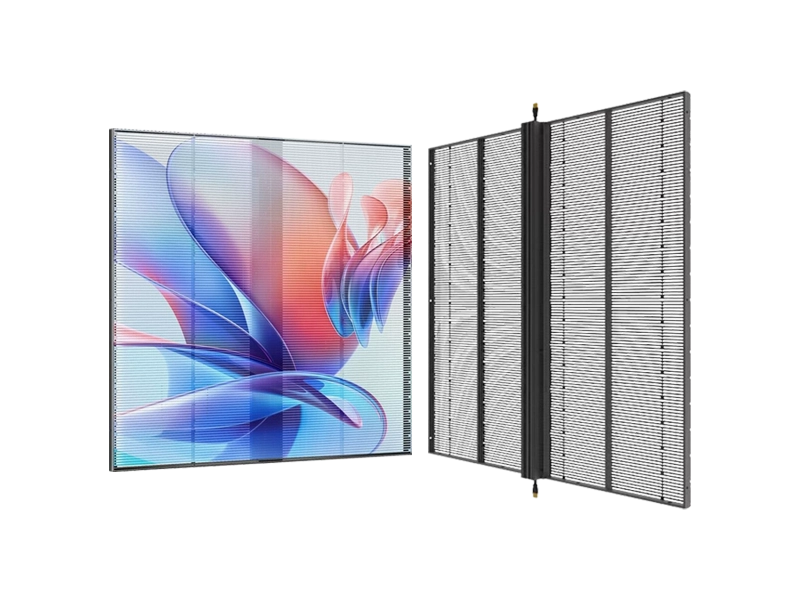
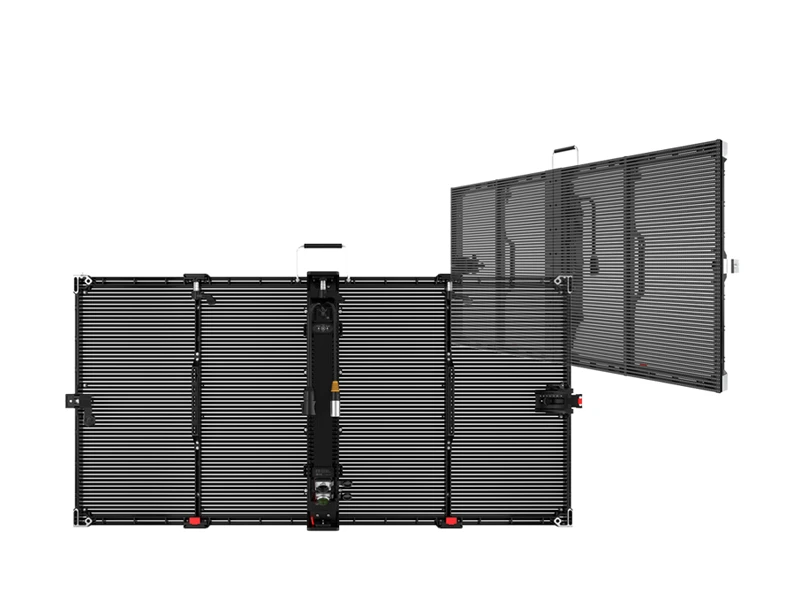
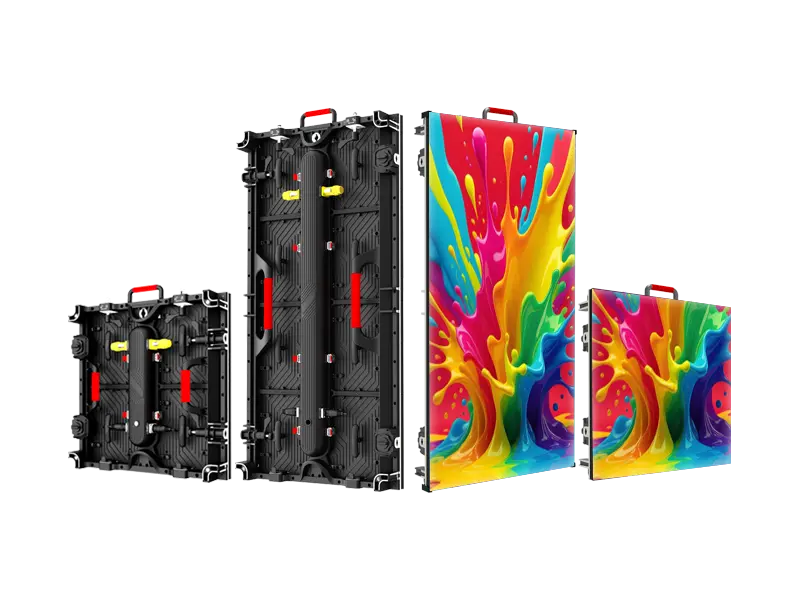
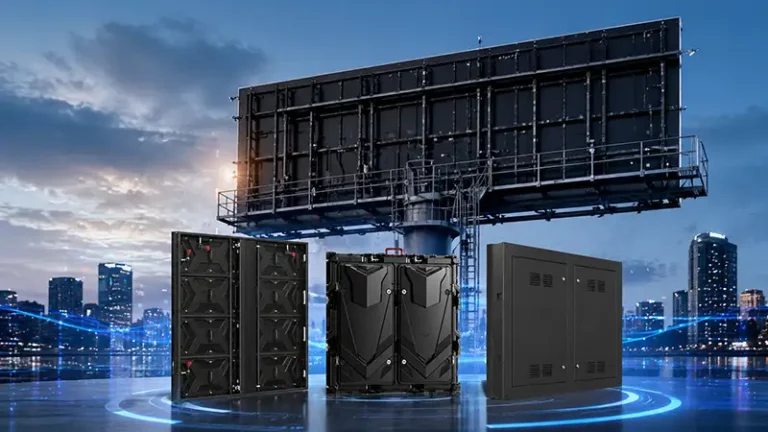
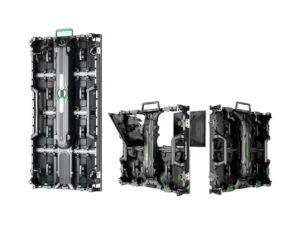
- Cabinet platform depth. A manufacturer with several cabinet platforms — steel, die-cast aluminium, aluminium profile, transparent, rental — can match the structure to the site instead of forcing one product onto every project.
- Corner trial assembly. For an L-shaped build, insist on a 90-degree trial assembly at the factory before shipment; alignment errors invisible on a single cabinet become glaring at the corner seam.
- Burn-in evidence. A 72-hour full-screen ageing test per batch, with records, is the minimum quality gate for outdoor 3D hardware.
- Certifications and documentation. CE (EMC + LVD), FCC, RoHS, plus CAD drawings and assembly blueprints delivered with the shipment.
- OEM/ODM capacity and lead time. Standard cabinet configurations at 15-20 days; custom frames and non-standard cabinets at 25-35 days plus 5-7 days where new machining is required. Ask what the lead time includes.
How Does a Custom 3D LED Screen Project Run from Brief to Launch?
A custom 3D LED screen project runs in six verifiable steps, and the buyer’s job is to hold each step to a deliverable. Projects fail at the seams between steps — site assumptions, structural drawings, content geometry — far more often than at the LED module level.
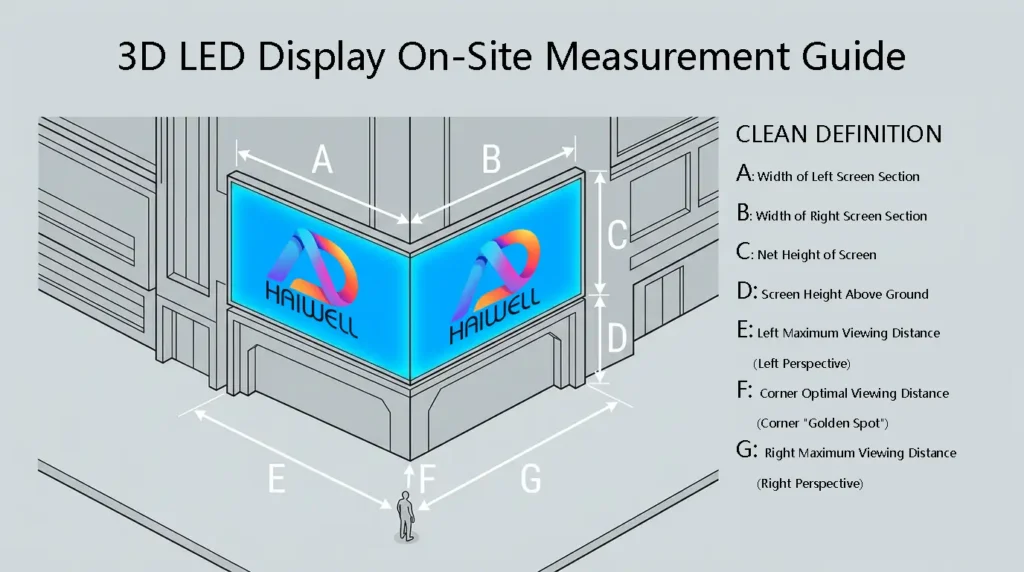
- Step 1 — Site survey. The buyer supplies site video, measurements and viewing distances; the manufacturer confirms corner geometry, viewing zone and pitch recommendation.
- Step 2 — Structural design. Free custom steel-structure design: CAD drawings and load assessment sized to local wind and seismic requirements, usable directly in tender documents.
- Step 3 — Content commissioning. Anamorphic 3D video is produced in Cinema 4D or Unreal Engine and calibrated separately for the left and right faces, mapped 1:1 to the installed geometry. A separate guide covers how to make 3D LED videos that read correctly from the main viewing zone.
- Step 4 — Factory production and trial assembly. Cabinets built, the 90-degree corner trial-assembled at the factory, then a 72-hour burn-in before packing.
- Step 5 — Shipping and installation. Assembly blueprints plus remote installation guidance for the local contractor; turnkey supervision where agreed. A documented example is the turnkey 3D naked-eye LED billboard project delivered in Fiji, which included hurricane-level wind-load calculations and coastal corrosion protection.
- Step 6 — Handover and operation. Control system setup (NovaStar platform typical), CMS training, spare-parts kit, and the start of the maintenance rhythm defined in the local operations plan — see the outdoor LED display installation and maintenance guide for the lifecycle perspective.
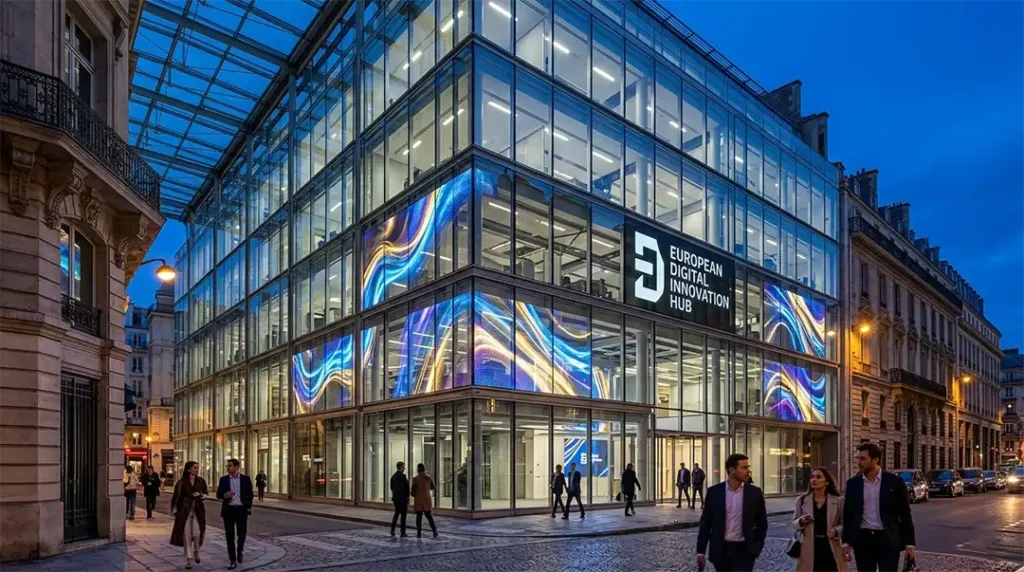
Buyers scoping L-shaped, curved and transparent 3D screen configurations for building facades, mall atriums or rental events can review the full custom naked-eye 3D LED screen solutions page for platform options and the six-step supply process.
Frequently Asked Questions About Running a 3D LED Screen Business
The answers below come from Adhaiwell’s factory floor and export practice: more than 16 years of LED display manufacturing in Shenzhen, supplying OEM and ODM 3D billboard, transparent and rental projects to integrators, media operators and advertisers in over 80 countries.
How much revenue can a landmark 3D LED screen generate?
Revenue depends on site quality, occupancy and the operator’s media plan, so no honest manufacturer will promise a figure. The operator-reported campaign results cited above show what strong landmark sites have achieved in China’s 2025-2026 market. Model your own occupancy first; the hardware line is the smallest of the four budget lines to get right.
Is a 90-degree corner mandatory for the 3D effect?
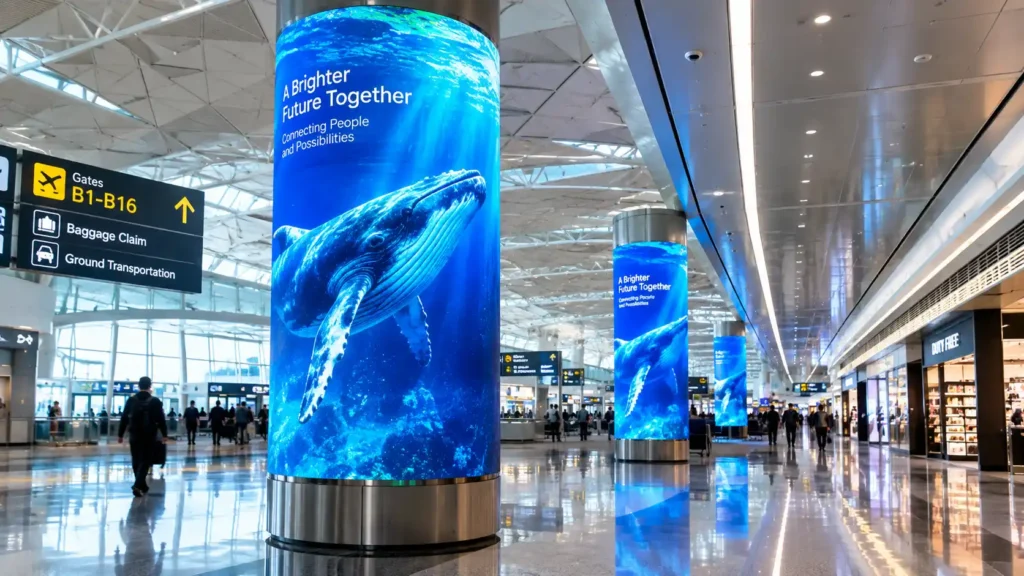
For classic anamorphic content, yes — the forced-perspective illusion is calculated for two visible faces. Curved and cylindrical screens can carry adapted 3D content, and flat screens can still show pseudo-3D motion, but the full break-out effect needs a corner.
What pixel pitch should a rooftop or roadside landmark use?
Match pitch to minimum viewing distance: P6.67-P10.42 suits faces read from 25-60 meters, while finer pitches fit pedestrian zones where viewers stand closer. The rule is simple — pitch in millimeters approximates the minimum comfortable viewing distance in meters.
How long does a custom 3D LED screen project take?
Hardware runs 15-20 days for standard cabinets and 25-35 days for custom frames, plus extra days where new machining is needed. Anamorphic content production typically runs in parallel after the screen geometry is frozen, so the site structure is usually the critical path, not the factory.
Can one screen serve multiple advertisers profitably?
Yes — rotation is the core economic advantage of LED over paint. A CMS-driven playlist sells dayparts to different brands, event takeovers price at a premium, and programmatic DOOH fills remaining capacity. One installation, many revenue events per week.
Choose the Supplier the Way You Would Choose a Business Partner
Running a 3D LED screen as a business means the buying decision is an operating decision. Verify the factory before the price, verify the corner geometry before the content, and verify the project process before the contract. When the shortlist is ready, Adhaiwell’s engineering team supports the full sequence — free structural CAD design, factory corner trial assembly, 72-hour burn-in with records, and anamorphic content mapped to the installed geometry. Visit the custom naked-eye 3D LED screen solutions page or request a quotation to review your site against these criteria.