You’ve seen them on every sidewalk: the old-school sandwich board with “50% OFF” written in fading marker. Or a printed poster that announces a weekend sale – every single day of the month.
Static A-frame boards worked twenty years ago. But today, your customers scroll past ten feet of smartphone screens before they even reach your door. A piece of cardboard won’t stop them.
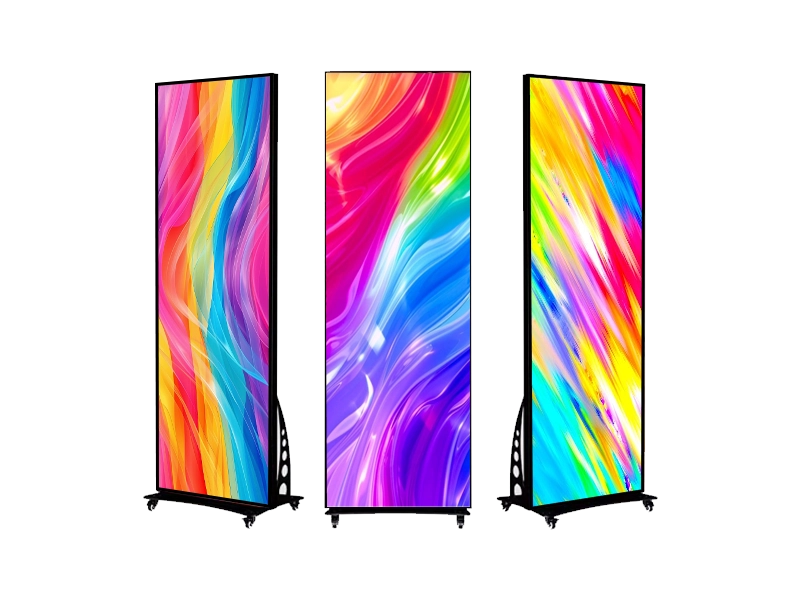
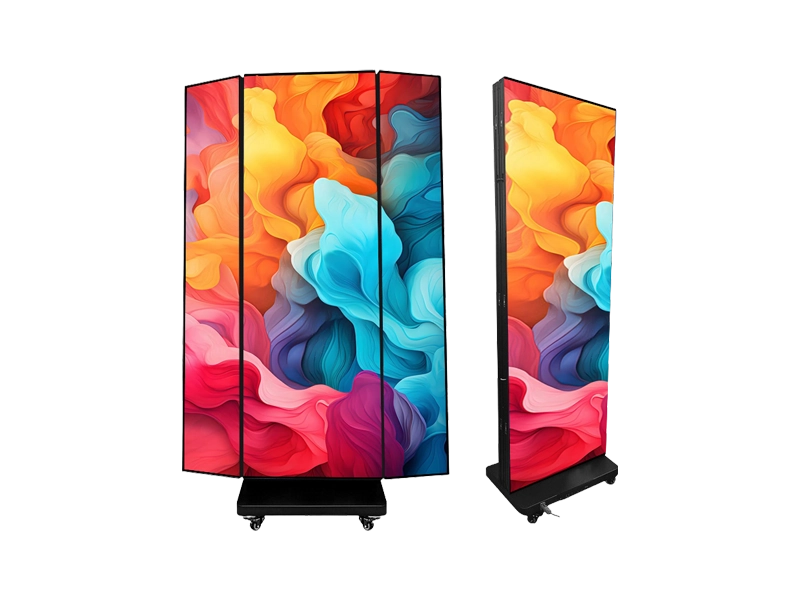
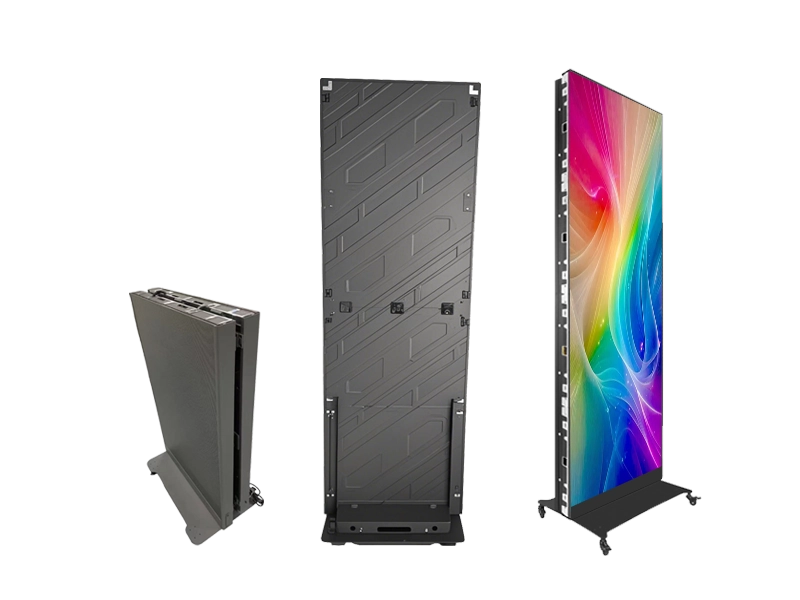
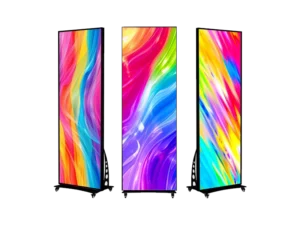
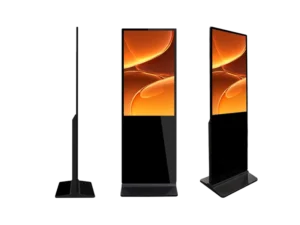
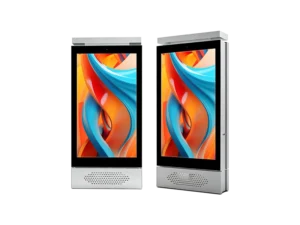
That’s why business owners, integrators, and ad agencies are moving to Portable A-Frame LED Digital Signage – specifically the digital A‑frame LED sign that runs on battery, updates by app, and stands out in direct sunlight.
Let’s walk through why this shift isn’t just a trend. It’s the future of sidewalk advertising.
Key Takeaways
- Static A‑frames limit you to one message and require expensive reprints for every update.
- Portable LED digital signage shows motion graphics, videos, and countdowns – grabbing more eyes.
- A single LED A‑frame replaces hundreds of print runs, saving money long‑term.
- App control and WiFi/USB upload let you change content across multiple store locations in minutes.
- Chinese B2B suppliers offer OEM flexibility, fast lead times, and competitive pricing for bulk orders.
- High brightness (800+ nits) ensures daytime visibility; IP-rated protection handles outdoor use.
❌ The Three Biggest Frustrations with Static A‑Boards
If you’re a retailer, restaurant owner, or event organizer, you know these pains firsthand:
1. You can’t change the message (without pain)
Want to announce a flash sale at 3 PM? Too bad – that A‑board still says “Breakfast specials.” To update it, you need a new print run, or someone with steady handwriting and dry-erase markers. Either way, it won’t happen in real time.
2. Zero visual impact after dark
Your store might be open until 9 PM, but that A‑board becomes invisible at sunset. No backlight. No motion. No reason for a passerby to look down.
3. High recurring cost
Every new promotion = new print job. Over a year, that’s hundreds of dollars in graphics, plus staff time to swap them out. And what do you have left? A pile of outdated posters.
These aren’t small annoyances. They’re lost foot traffic and lower sales.
✅ What Portable LED Digital Signage Does Differently
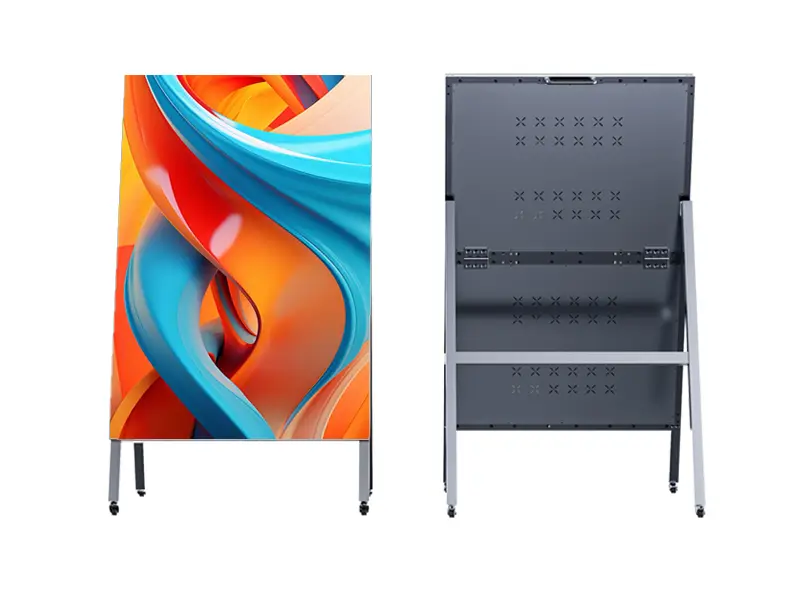
Now imagine a digital A‑frame LED sign that stands on the same sidewalk, but:
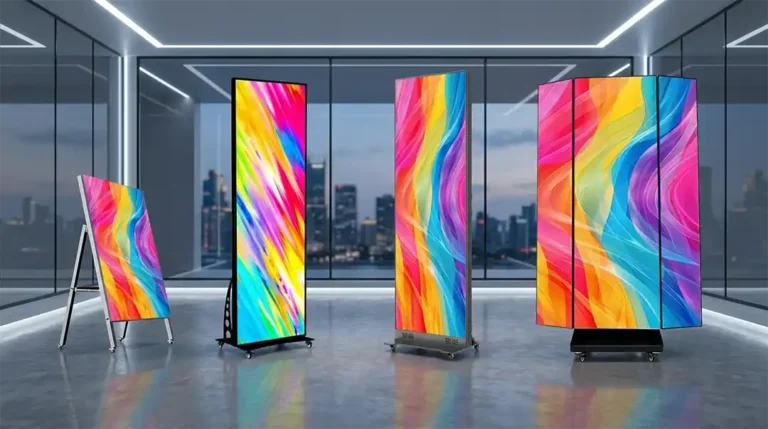
- Plays motion graphics and video clips – a sizzling burger, a ticking countdown, a seasonal animation.
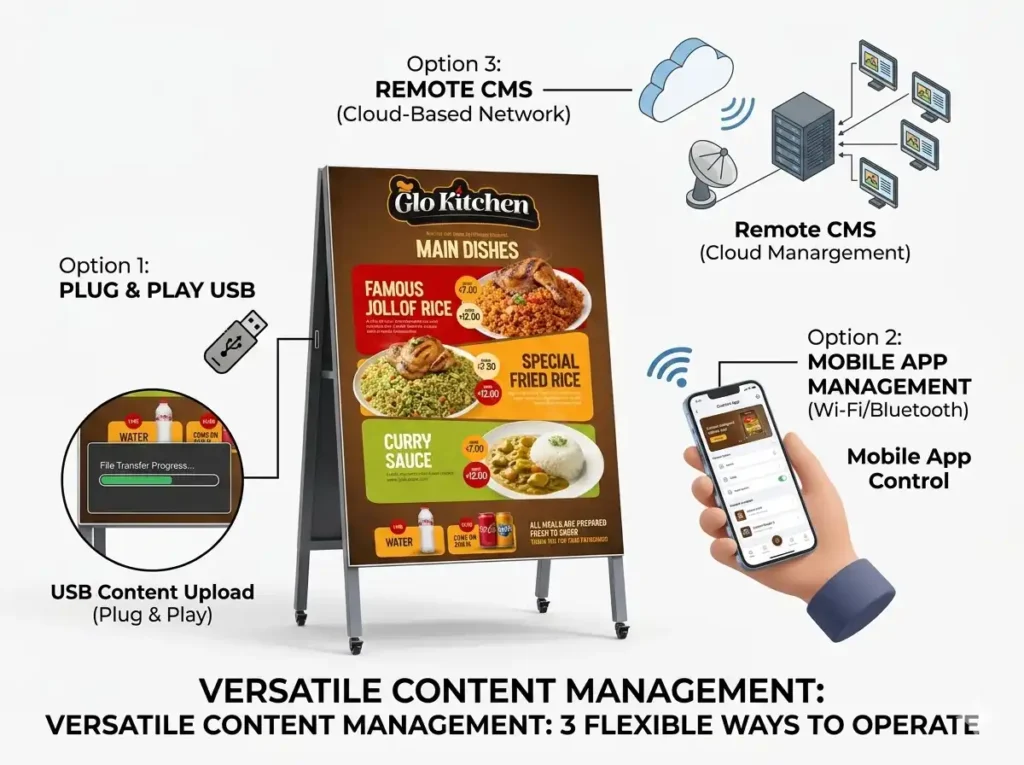
- Changes content in under a minute from your phone (WiFi, app, or USB).
- Stays bright in direct sun (800+ nits) and readable at night.
- Runs 6‑8 hours on battery – no extension cord required.
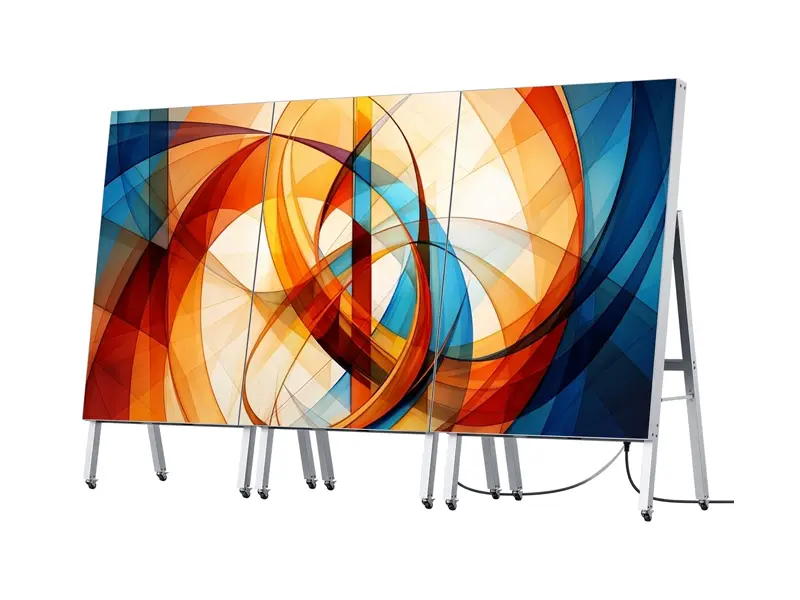
- Folds up and rolls on wheels for easy storage or relocation.
That’s not a future product. It’s what Adhaiwell and other LED display manufacturers in China ship today.
From the buyer’s side (retail chains, rental houses, ad agencies), the value is obvious: one device replaces hundreds of print runs, and the flexibility to change messaging per hour drives measurable lift in sales.
💰 Cost Comparison: Static Prints vs. One LED A‑Frame
Let’s do basic math. A typical static A‑board poster might cost you $15–$30 (design + materials). If you run 10 promotions a year, that’s $150–$300 just in printing, not including labor.
Now add the lost opportunity cost – a static board can’t test two headlines, can’t show a QR code for online ordering, and can’t adjust for weather (“Hot coffee inside” on a cold day vs “Iced latte” on a hot one).
A portable LED digital signage display costs more upfront – roughly $950–1200 for a commercial-grade double‑sided unit with wheels, app control, and high brightness. But it lasts 3–5 years with minimal maintenance. No printing. No tape. No faded letters.
Break‑even often happens in under 12 months for high-traffic locations. After that, it’s pure upside.
“We replaced two static A‑boards with LED A‑frame signs. Within 8 months, the printing savings alone paid for the hardware. And foot traffic? Up 22% during slow hours.” – (Virtual retail case study)
🏪 Real Operational Value for Chains & Franchises
If you run multiple locations, static A‑boards are a nightmare. Each store prints its own signs – inconsistent branding, delayed rollouts, wasted management time.
Portable LED digital signage solves this centrally.
- Update all your stores from one dashboard (or let each manager adjust locally).
- Schedule messages by time of day: “Breakfast menu 7–10 AM” / “Lunch combo 11 AM–2 PM” / “Evening happy hour 4–7 PM.”
- Run the same Black Friday video campaign across 50 locations instantly.
No reprints. No shipping boxes of posters. No “Oops, that store still has last month’s promo.”
🔮 Why the Future Belongs to Digital A‑Frame Upgrades
Three trends are pushing this shift faster than anyone expected:
1. Customers ignore static content
Studies show that moving images attract 3–5x more attention than static signs. Your brain is wired to notice change. A looping animation on a digital sandwich board stops the scroll (even when there’s no scroll – just walking).
2. LED costs have dropped dramatically
Five years ago, a portable LED sign cost $2k+ and required a technician. Today, plug‑and‑play models with app control are affordable for a single pizza shop, not just big retailers.
🇨🇳 Why Chinese LED Display Manufacturers Lead This Market
If you’re an overseas buyer or integrator, you’ve noticed: most portable LED digital signage comes from China – specifically Shenzhen. Why?
- Supply chain density – Everything from LED chips (Kinglight, Nationstar) to driver ICs to aluminum cabinets is within 50 km. Lower cost, faster prototyping.
- OEM/ODM flexibility – Want a different size, custom color, logo on the casing, or higher brightness? Chinese factories say yes with small MOQs.
- Cost advantage – A comparable US or European‑assembled digital A‑frame sign can cost 2–3x more. For bulk B2B orders (50, 200, 1000 units), China is unbeatable.
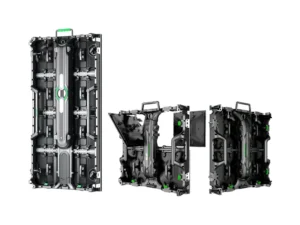
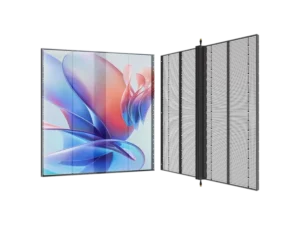
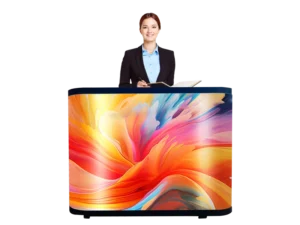
Take Adhaiwell as an example. Their portable LED digital signage includes:
- 800–1500 nits brightness (true outdoor visibility)
- APP + WiFi + USB control (no monthly software fee)
- 6–8h battery + AC power option
- Double‑sided display available
- IP43 / IP65 options for weather protection
- Wheels + foldable stand for easy moving
They also support logo printing, custom packaging, and even software adjustments for integrators who want to use their own control system.
🎯 Who Should Switch Right Now?
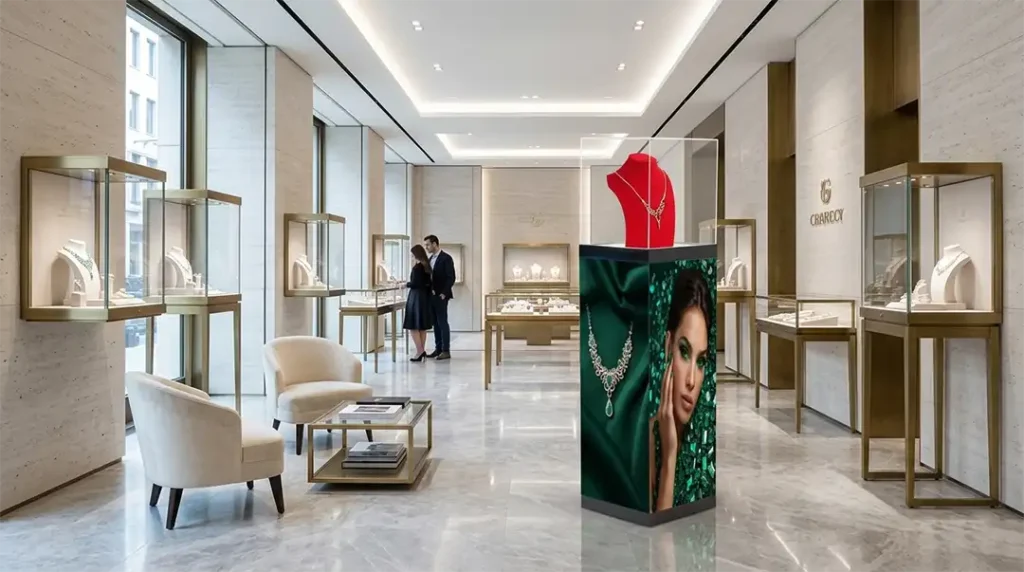
- Retail store owners – Clothing, electronics, gift shops. Use LED A‑frames to announce sales, new arrivals, or hourly flash deals.
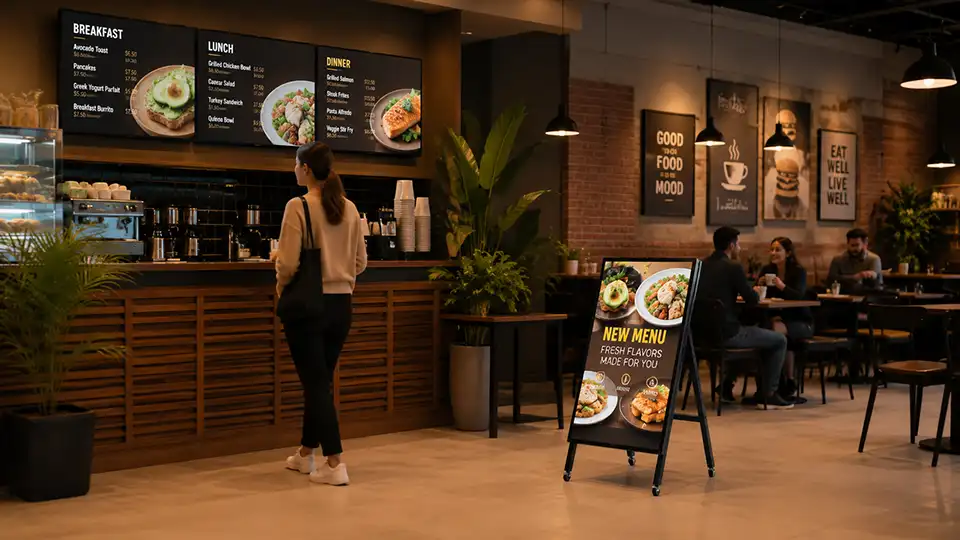
- Restaurants & cafes – Show menu videos, combo meal animations, or a live “Wait time: 5 min” message.
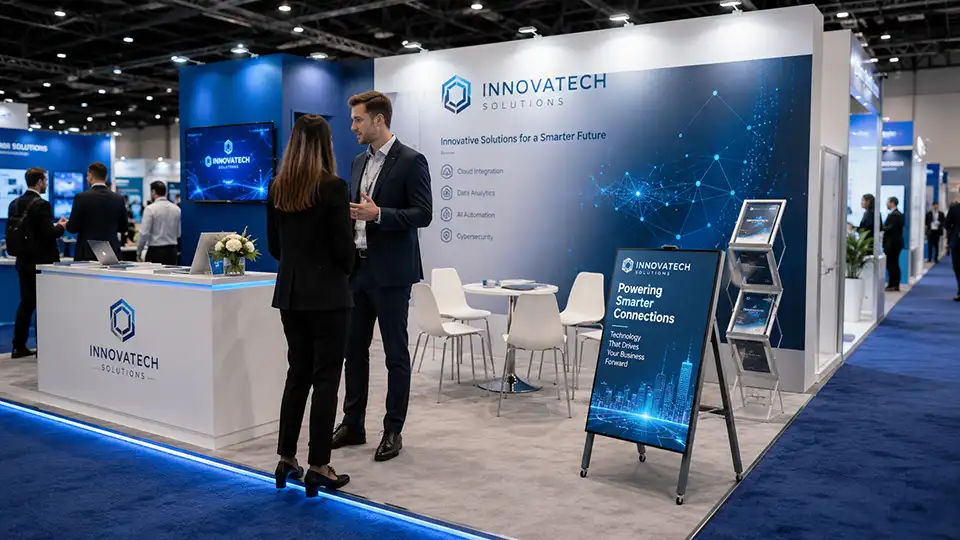
- Event & trade show exhibitors – Portable LED digital signage that folds and rolls into a car trunk – then stands out on a crowded expo floor.
- Shopping malls & cinemas – Multiple units for directional ads, event promos, or sponsored content.
- Ad agencies / DOOH networks – Rent digital sandwich boards to local businesses and manage content remotely. Recurring revenue model.
✅ One‑Minute Summary
| Static A‑Frame | Portable LED Digital Signage |
|---|---|
| One message | Motion video + animations |
| Manual update (hours) | App update (seconds) |
| Invisible at night | 800+ nits – day & night |
| Recurring print cost | One‑time hardware + free edits |
| Hard to move | Wheels + foldable |
| No remote control | Control from anywhere |
📦 Ready to Make the Switch?
If you’re an integrator or ad agency looking to source digital A‑frame LED signs directly from a reliable Chinese manufacturer, here’s how to start:
- Order a sample unit – Test brightness, battery life, and app usability in your real environment.
- Request bulk pricing – MOQ as low as 10–20 units for customized logos/colors.
- Ask about OEM – Even if you need a different size or voltage, most Adhaiwell can adapt.
👉 Visit Adhaiwell’s portable LED digital signage display page to see specs, request a quote, or chat about sample orders.
Stop printing. Start grabbing attention. The future of sidewalk advertising is bright – and it moves.
Have questions about integrating portable LED signage into your retail chain or rental fleet? Leave a comment or contact our team for a 15‑min consultation.