Solar-Powered Digital LED Billboards: Feasibility, Limits and Off-Grid Reality
A Solar-powered Digital LED Billboard is an outdoor digital advertising display that takes its energy from photovoltaic panels and a…
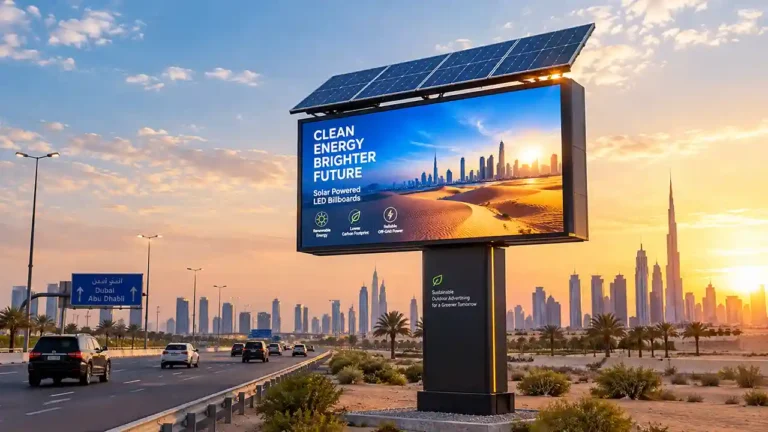
A Solar-powered Digital LED Billboard is an outdoor digital advertising display that takes its energy from photovoltaic panels and a…
L-shaped LED cabinets with a true 90-degree corner create the strongest naked-eye 3D effect, because anamorphic content maps depth onto a physical edge. Curved cabinets give a softer wraparound illusion; flat screens rely only on content perspective. For landmark 3D billboards, the right-angle corner remains standard.
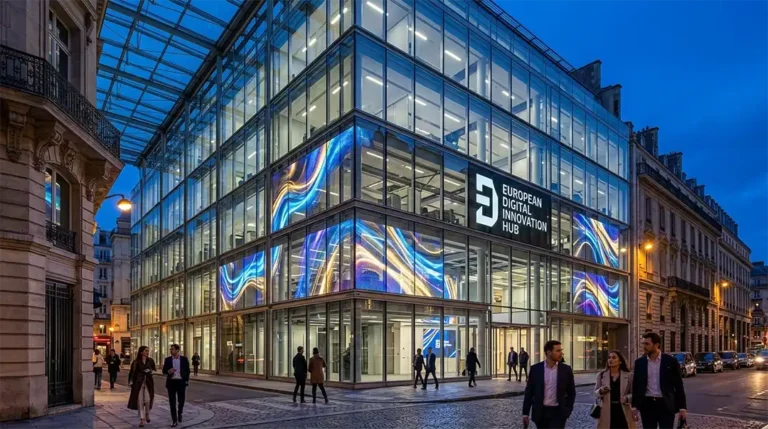
Yes, with limits. Holographic LED film can layer 3D content on a shop window because 80–95% of the glass stays see-through, so virtual objects and real products share one sightline. It cannot copy an L-shaped billboard’s corner 3D: flat glass fixes parallax to one zone, best at 1.5x–3x screen height.
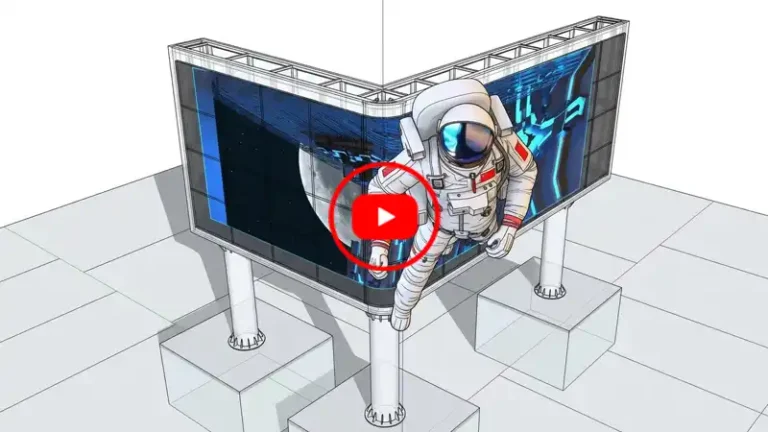
A 3D LED billboard combines the LED screen, supporting structure, viewing configuration and 3D content. In this Fiji project, Adhaiwell supported the process from structure design and tender assistance to LED screen manufacturing, 3D content design and project delivery from its Shenzhen, China factory.
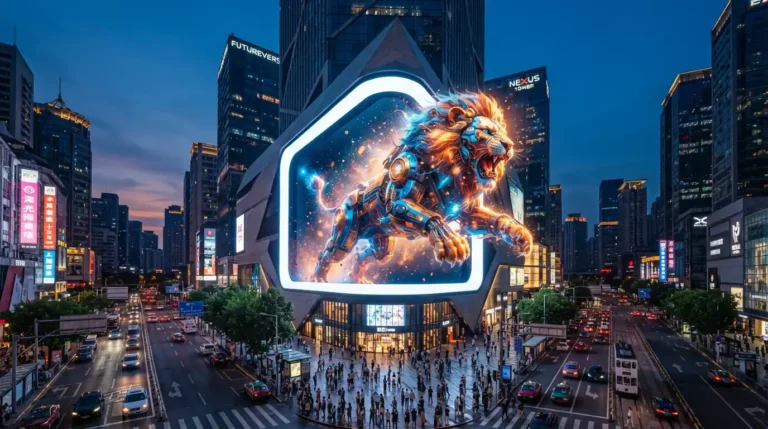
Naked-eye 3D LED displays are concentrated in dense urban districts where landmark architecture, heavy pedestrian traffic, and open sightlines overlap — Seoul’s COEX K-pop Square, Shinjuku in Tokyo, Times Square in New York, Dubai, Bangkok, and emerging cities such as Maputo, Mozambique.
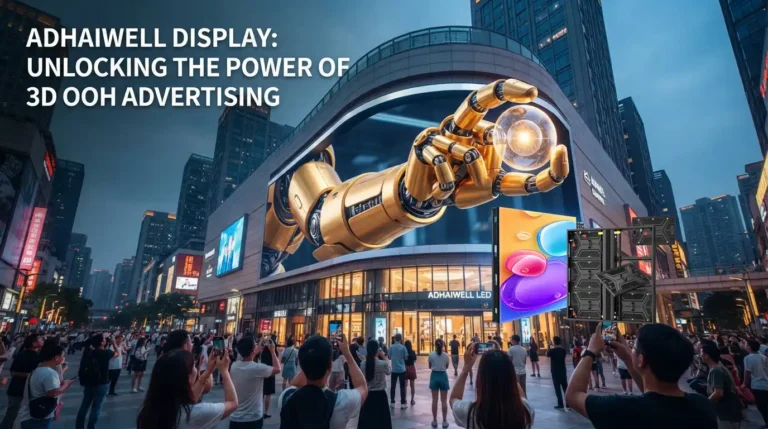
A naked-eye 3D LED display creates a glasses-free 3D effect by combining an L-shaped, right-angle LED screen with anamorphic 3D video produced for that exact corner geometry. Forced perspective makes objects appear to extend beyond the screen; content and corner must match 1:1 for the illusion to hold.
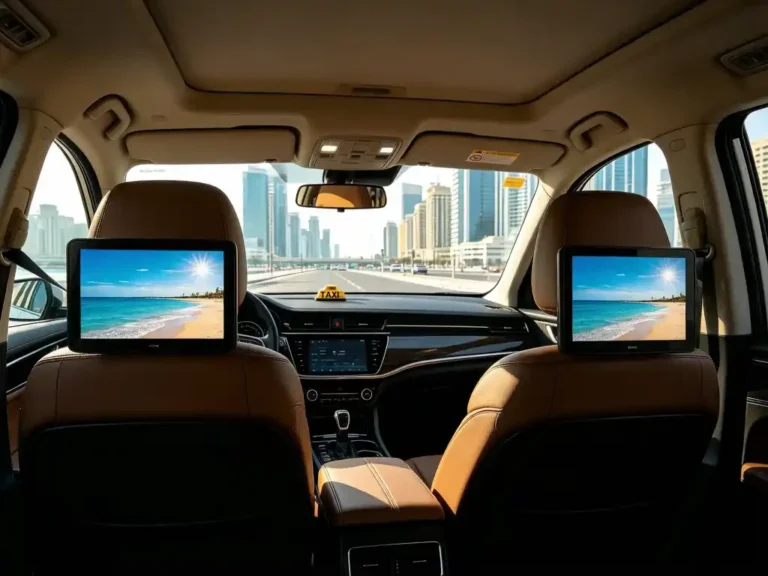
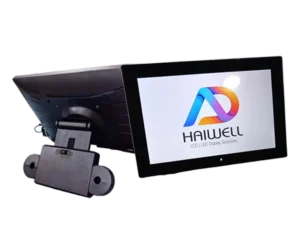
Taxi headrest advertising screens put passenger-facing LCD displays on the back of front seats, updated via cloud CMS. Roof displays target street traffic; headrest screens reach passengers already in the vehicle. Success depends on compliant installation, commercial-grade hardware and fleet-level content controls.
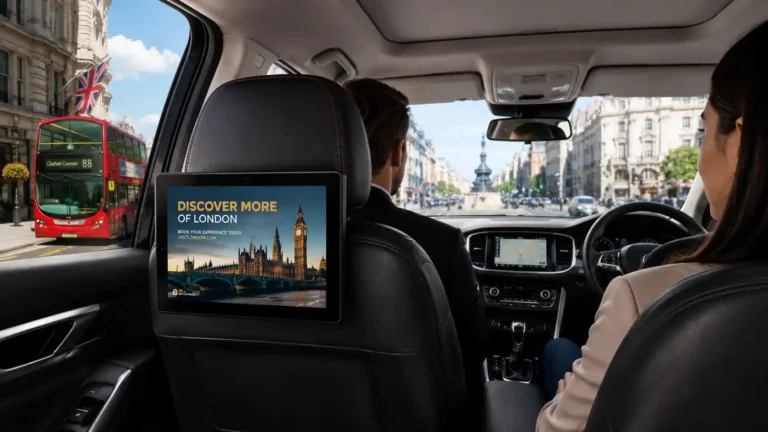
Taxi advertising LCD displays are turning taxis into connected DOOH media assets. With 4G, GPS and CMS technology, fleet operators can remotely manage screens, deliver targeted content and create new advertising revenue. Adhaiwell’s 1,000-unit Armenia deployment demonstrates how taxi digital signage can scale from individual screens to a fleet media network.
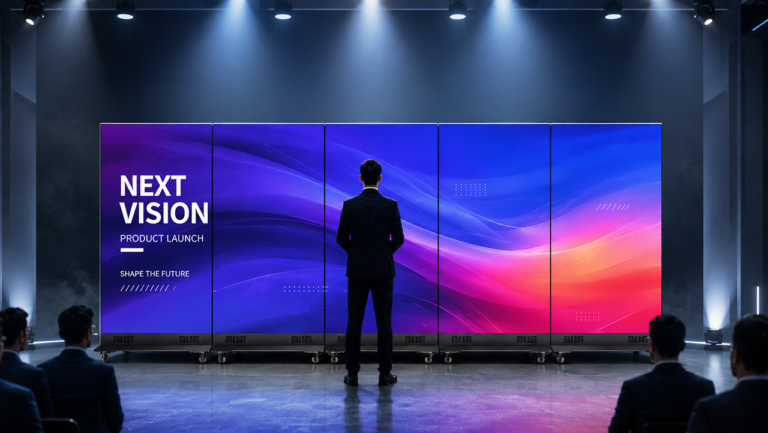
The biggest advantage of connecting 5 foldable LED poster screens is achieving a perfect 16:9 aspect ratio—3200mm × 1920mm—while maintaining the flexibility to use each unit independently. Each 640×1920mm unit weighs 36kg, folds to 50% volume, and sets up in 5 minutes. The 5-unit configuration delivers broadcast-standard 16:9 that 6-unit setups cannot match.
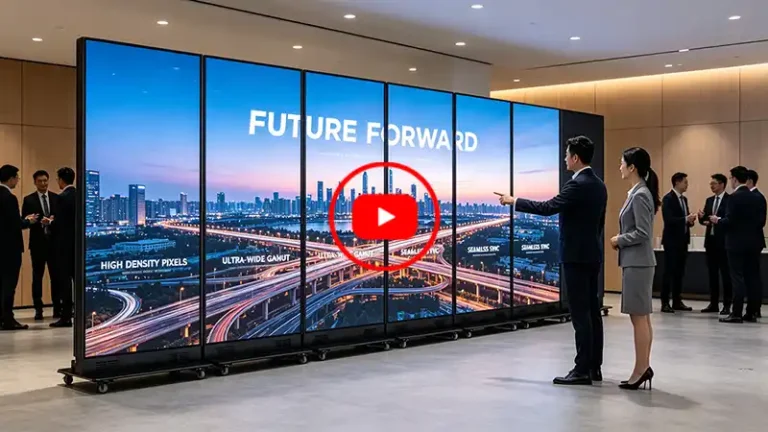
A foldable LED poster display is a portable LED screen that can work independently or connect with multiple units to form a larger seamless video wall. Adhaiwell’s system supports up to six connected units, with foldable construction, front-service maintenance and multiple fine-pitch options for rental, retail and event applications.
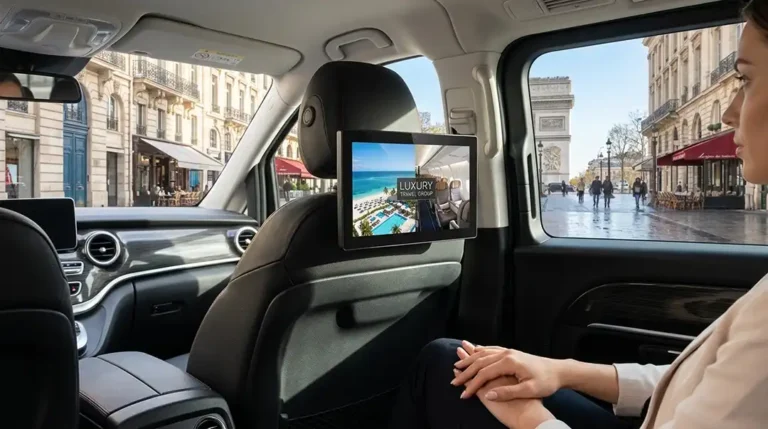
A taxi headrest LCD advertising screen is a 10.1-inch Android display mounted on seat headrests to deliver targeted ads to passengers. Featuring 4G LTE, GPS, and cloud CMS, it enables fleet operators to manage hundreds of vehicles remotely. With the in-taxi digital signage market growing rapidly, it is an ideal time to invest in fleet advertising.
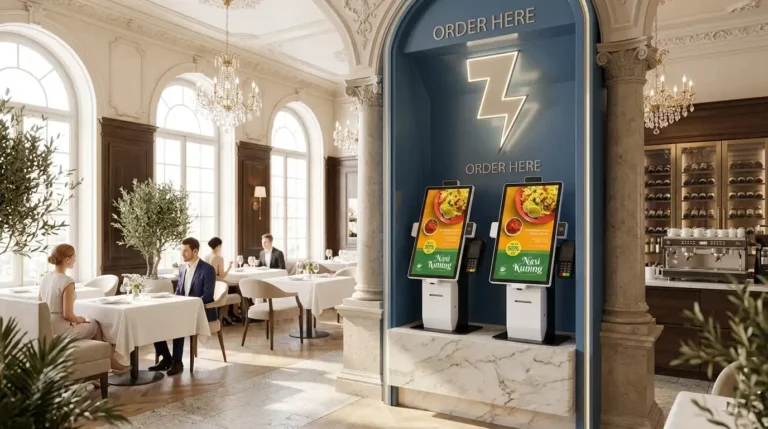
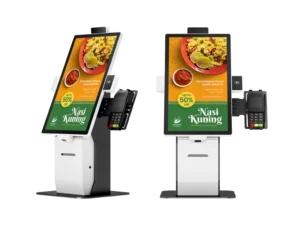
A self-ordering kiosk is a touchscreen terminal that lets restaurant customers browse menus, customize orders and pay without relying on a cashier. For B2B buyers, the key is POS compatibility, payment integration, reliable 24/7 hardware, accessible design and the right kiosk format for the restaurant layout.
End of content
End of content