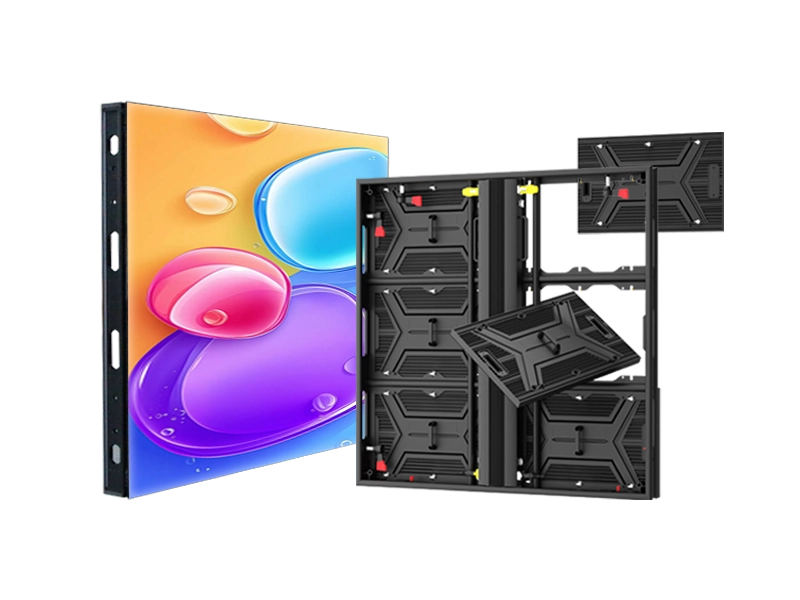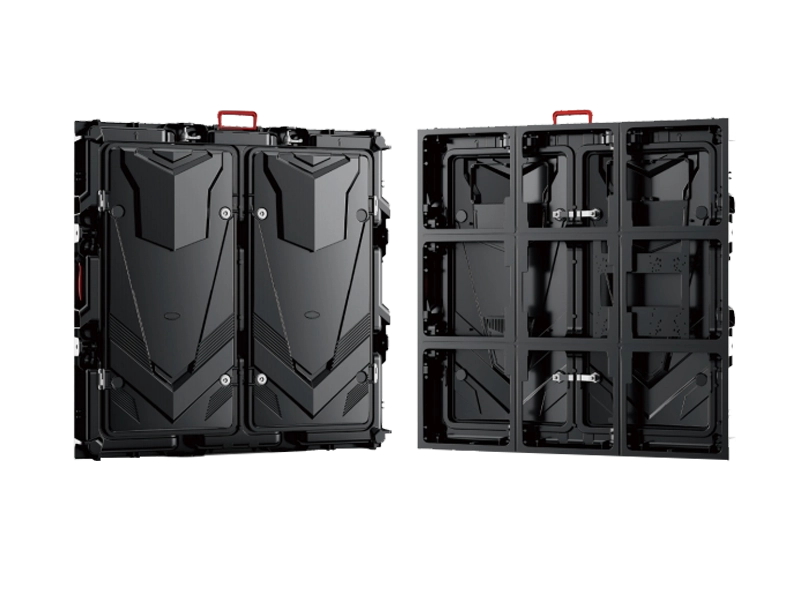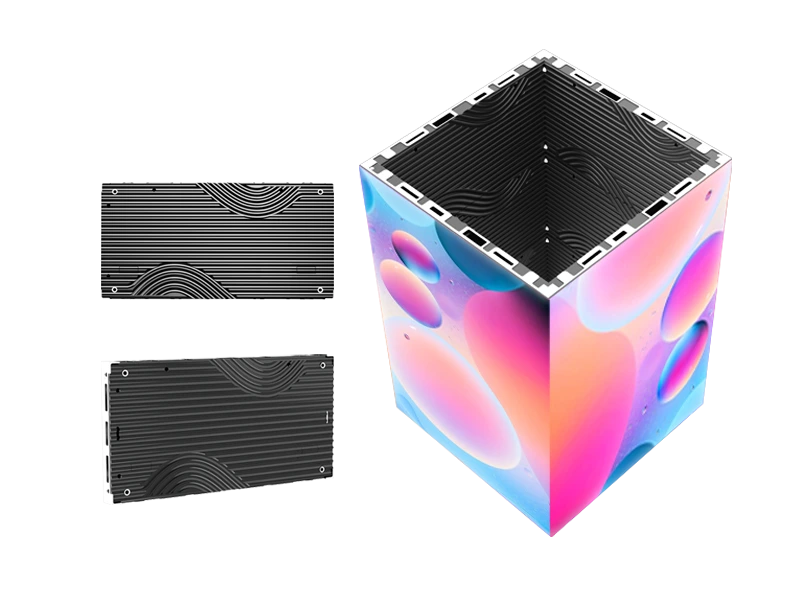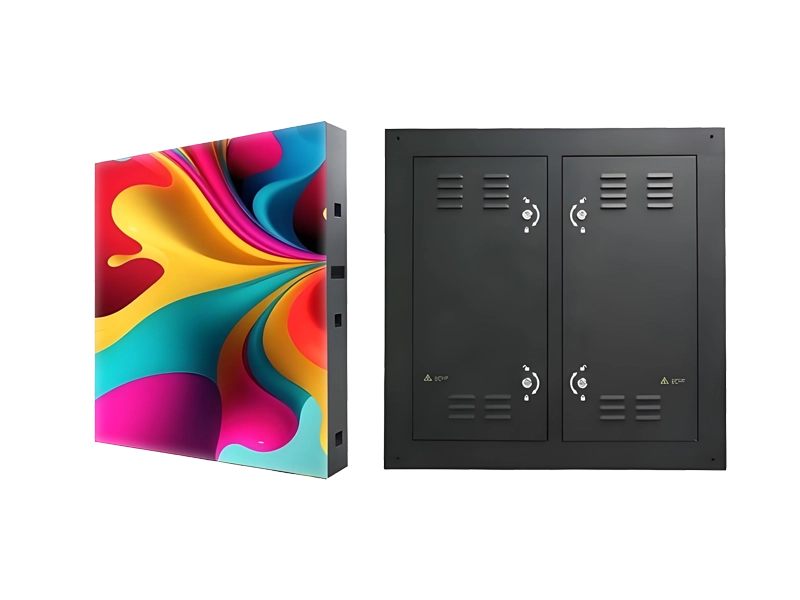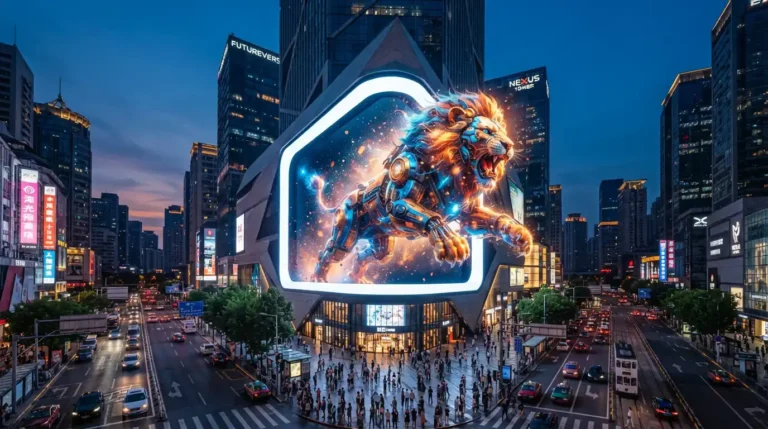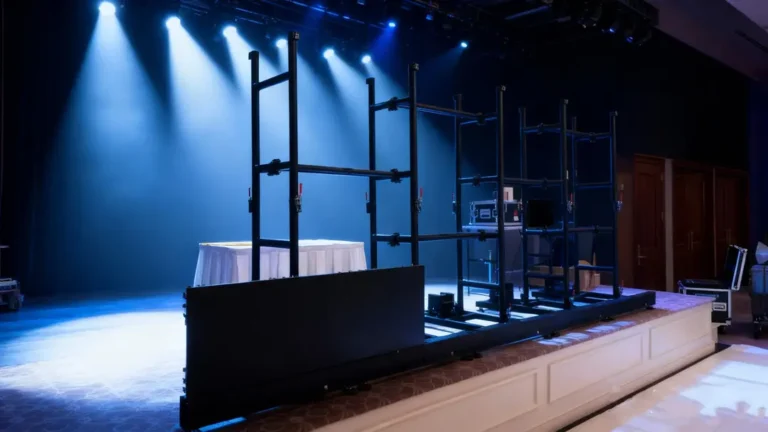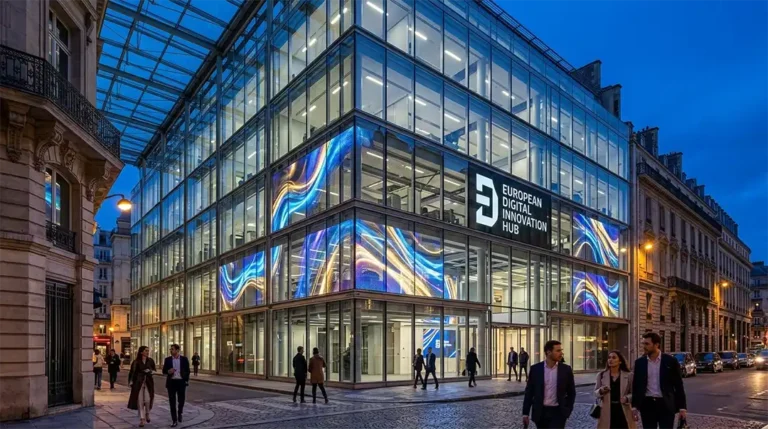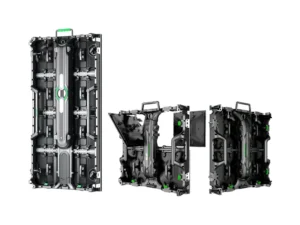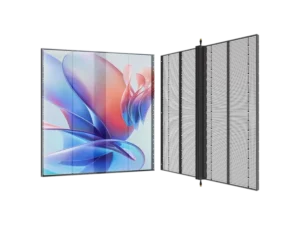
If you track real-world DOOH installations—not just spec sheets—you have probably noticed a quiet material shift. Steel cabinets are no longer the automatic starting point for serious outdoor projects. More system integrators and commercial property owners are specifying aluminum profile alloy outdoor LED displays, and the reasons have little to do with how the material looks in a catalog.
The difference comes down to four things that actually matter once a screen leaves the factory floor: weight, heat dissipation, installation logistics, and what maintenance looks like two years in. Here is what the industry data and on-site experience reveal, and why aluminum profile construction is becoming the practical standard for commercial building facades, retail signage, and highway digital billboards.
1. Weight: The Overlooked Cost Driver in Outdoor Digital Signage
Walk onto any installation site, and weight becomes the first real constraint. Steel cabinets at 45 kg/㎡ quickly add up. A 10㎡ wall becomes nearly half a ton before you add mounting hardware, cables, or the structure behind it. That changes everything: how you lift it, what crane you need, how many people stand on the scaffolding, and whether the building requires structural retrofitting before the display even arrives.
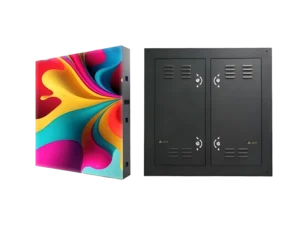
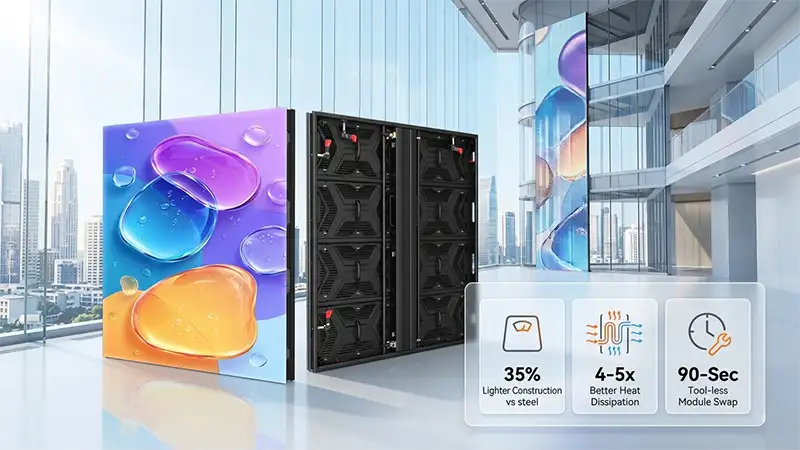
Aluminum profile construction cuts cabinet weight by roughly 35 percent compared to steel equivalents. A typical 1000×1000mm aluminum cabinet comes in around 22–23 kg. Multiply that across a full wall installation, and the difference in tonnage can be substantial enough to alter the entire project budget.
How Much Weight Difference Are We Talking About?
Take a mid-size commercial building facade: 8 meters wide by 4 meters high—32 square meters of LED display surface.
- Steel cabinet installation: Approximately 1,440 kg of display weight (based on 45 kg/㎡)
- Aluminum profile installation: Approximately 704 kg of display weight (based on 22 kg/㎡)
That is a 736 kg difference—essentially removing a compact car from what the building envelope has to support.
Five Ways Weight Reduction Lowers Total Project Cost
- Shipping cost reduction – Aluminum cabins are measured by volume, but weight still determines freight class for ocean and air freight. Lighter shipments consistently price out lower, especially for international projects where every kilo adds line-item expense.
- Crane and rigging savings – Heavier loads push you into larger equipment classes with higher hourly rates and stricter site requirements. Lighter displays can often be installed with smaller lifts that fit into tighter commercial spaces.
- Labor efficiency – Fewer people to move, lift, and position each cabinet. Two technicians can handle what used to require four.
- Building envelope protection – Lighter displays put less stress on brick ties, curtain wall anchors, and existing facade attachments. That matters for retrofit projects on older commercial structures.
- Fewer structural reinforcements – Commercial building codes require structural analysis when dead loads exceed certain thresholds. Staying under those thresholds often eliminates expensive engineering work.
2. Heat Dissipation: Why Aluminum Outperforms Steel in Thermal Management
Outdoor LED displays run in environments that already push thermal limits—direct summer sun, enclosed back sides of building facades, and continuous high-brightness operation. Heat accelerates lumen depreciation. It shifts color temperatures unevenly across a wall. And in extreme cases, it shortens LED lifespan by years rather than months.
Aluminum has roughly 237 W/(m·K) thermal conductivity. Compare that to carbon steel at approximately 43 W/(m·K) or stainless steel at around 16 W/(m·K). That means aluminum moves heat away from LED modules and into the surrounding air roughly four to five times faster than steel cabinets relying on the same passive convection.
Four Advantages of Aluminum Profile Over Steel for Outdoor Durability
- Passive thermal management without fans – Many outdoor LED cabinets require active cooling fans to manage steel cabinets; but the lightweight aluminum alloy cabinets do not need such. Aluminum extrusions can incorporate fin structures that increase surface area for natural convection—no moving parts, no fan maintenance, and no unexpected fan failures on a high-mast billboard.
- Lower module temperatures, longer LED life – Each LED junction operates cooler in an aluminum-backed cabinet. Studies on aluminum extrusion fixtures indicate that aluminum housing can extend LED lifespan by keeping junction temperatures within design ranges.
- Consistent color across the wall – Temperature gradients across a display cause visible color shifts when modules at different temperatures reproduce white or gray fields differently. Aluminum equalizes temperatures faster, reducing the kind of patchwork appearance that makes rental walls look tired.
- No rust-induced thermal barriers – Steel cabinets can develop corrosion between the cabinet face and the heat sink interface. Even moderate oxidation creates thermal resistance. Aluminum forms a protective oxide layer that conducts similarly to the base metal.
Aluminum extrusion-based cabinetry can also be engineered with passive heat sinks integrated directly into the cabinet profile. The structural shape that holds the LED module is simultaneously conducting heat away from it—eliminating separate heat sink components and the assembly labor they require.
3. Corrosion Protection That Puts Rust Worries to Rest
Outdoor signage lives in an aggressive environment. Rain carries pollutants. Coastal installations get salt spray. Even inland displays face humidity cycling and industrial grime. Steel fights a constant battle against corrosion through paint systems, powder coats, and regular inspection. When those coatings fail, rust stains the facade below and compromises the cabinet structure.
Aluminum does not behave the same way. It oxidizes immediately upon exposure to air, forming a thin aluminum oxide layer that is both adherent and self-protecting. That oxide layer stops further corrosion without flaking, peeling, or requiring touch-up painting.
Practical implications for property owners:
- No scheduled repainting – Commercial building managers appreciate anything that removes recurring maintenance line items.
- No rust runoff staining exterior finishes – White marble, light stone, and painted architectural elements stay clean without the orange streaks that steel-mounted signage sometimes produces.
- Long coastal service life – Projects within several kilometers of salt water are prime candidates for metal that tolerates chlorides without accelerated corrosion.
Aluminum profile outdoor LED displays consistently deliver a cleaner aesthetic over multi-year installations, particularly in humid or coastal environments.
4. Installation Simplicity Without Structural Headaches
Every installation has deadline pressure. Winter weather windows close quickly. Permits expire. Building owners schedule facade access around other trades. Aluminum cabinets offer four specific installation advantages over steel.
First, lower per-person lift weight. The threshold at which an object becomes a two-person lift versus a one-person lift affects crew size and pace. Lighter cabinets means fewer trips up the lift.
Second, better cabinet flatness. Steel cabinetry can develop micro warpage during long-distance shipping the aluminum cabinets do not. Those tiny surface deviations accumulate into visible seams and visible gaps in the final display wall. Aluminum cabinets maintain shape more consistently, delivering flatter walls from the first row of cabinets to the last.
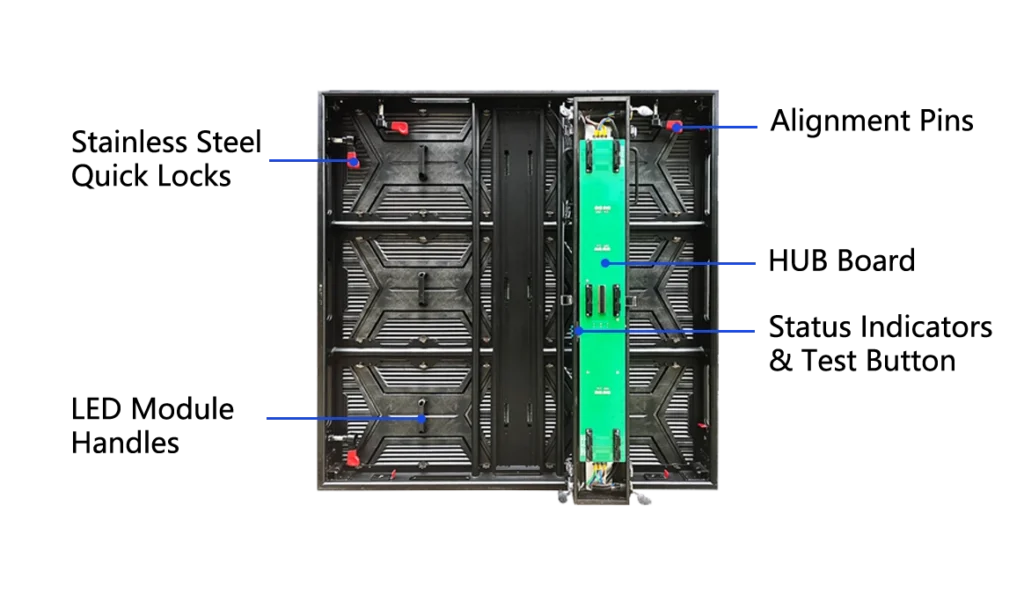
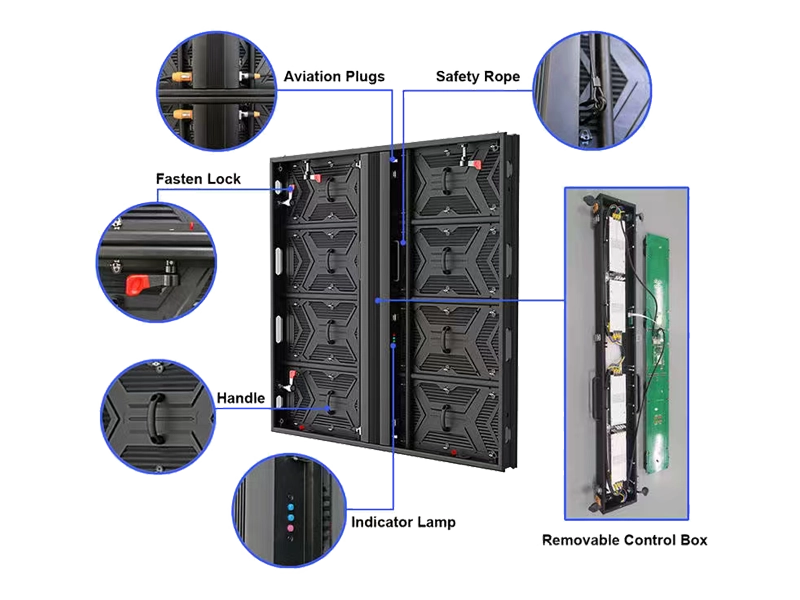
Third, simpler hanging and splicing. Many aluminum profile systems integrate locking hardware directly into the extrusion. The same profile that carries the LED module includes channels for the mounting bracket and registration pins for stacking. Less loose hardware means fewer mistakes on-site.
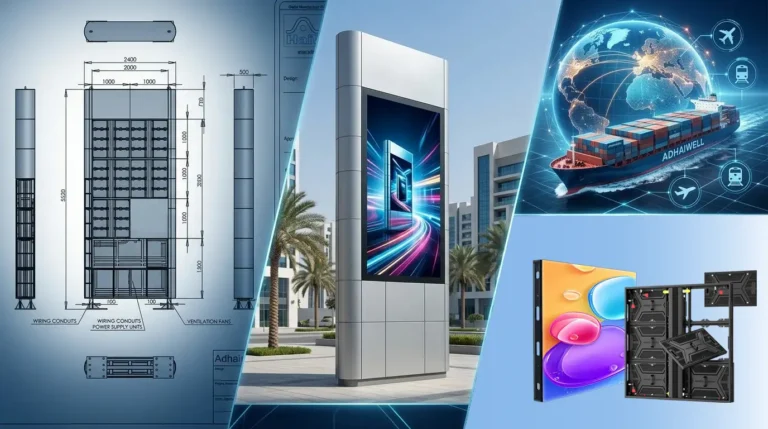
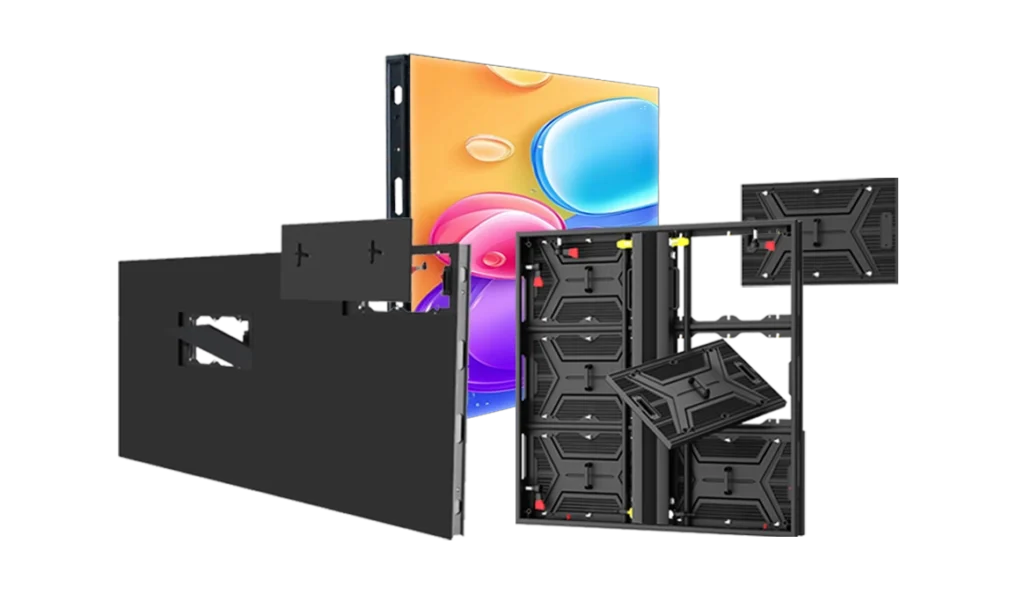
Fourth, front-and-rear access flexibility. Aluminum profile cabinets can be engineered with both front and rear service capability without adding heavy reinforcement. Adhaiwell’s cabinet design includes hot-swappable modules accessible from either side, allowing 90-second module replacement without tools or power shutdown.
5. Lower Transport Costs, Higher Project Profit Margins
For distributors and integrators shipping internationally, weight is a direct cost multiplied across every unit.
How aluminum changes shipping:
- Air freight – Charged by actual weight if heavy, or dimensional weight if light. Heavier steel cabinets face actual-weight charges on air shipments. Lightweight aluminum can cross the threshold into lower cost brackets.
- Ocean freight LCL (less than container load) – Charged by cubic meter or per 1,000 kg, whichever yields higher revenue. A 35 percent weight reduction for the same volume means less cost allocation.
- Multiple-cabinet pallets – Warehouse staff can build taller pallets without exceeding floor load limits, consolidating more display area into each shipment.
- Fuel surcharges – Calculated as a percentage of base freight. Lower base rate means lower surcharge despite the same percentage.
These savings multiply across large projects. A 30-panel wall moving from Shanghai to Dubai sees the same quantity discount, plus additional savings because the entire shipment qualifies for better freight class rates.
Why It Matters for Buyers: A Practical Decision Framework
Steel still has applications. Extreme high-impact zones, ground-level installations vulnerable to vehicle strikes, and some industrial settings favor steel’s brute strength and dent resistance. Aluminum also comes at a slightly higher cabinet price—premium material commands premium cost.
But most commercial projects do not require steel. Building facades, retail storefronts, shopping mall atria, and highway billboards demand light weight, corrosion resistance, thermal efficiency, and installation practicality. The aluminum profile checks all four boxes while the steel cabinet checks only strength.
The total cost of ownership calculation changes when you account for:
- Installation labor at union-scale rates
- Structural engineering costs when weight exceeds building limits
- Ongoing maintenance for rust-prone cabinets
- Fan replacement and thermal-related LED failures
- Shipping weight as a recurring expense across large signage networks
The question for many commercial buyers is no longer “is aluminum worth the premium?” but rather “why would a standard outdoor facade, retail, or mall application still specify steel?”
The market reflects that shift. The outdoor LED display market is projected to grow from USD 7.9 billion in 2025 to roughly USD 17.3 billion by 2032, at approximately 11.8 percent CAGR. Material selection is becoming a core decision criterion as installations scale up and deployment density increases.
FAQ: Real Questions from Commercial LED Buyers
Q: How significant is the real-world weight difference between aluminum and steel cabinets?
A: Measured per industry data, steel cabinets average 45 kg/㎡, die-cast aluminum runs around 30 kg/㎡, and aluminum profile cabinets reach approximately 22–23 kg/㎡. On a 20㎡ wall, steel adds nearly 200 kg more weight than aluminum profile. That difference changes crane selection, installation crew size, and whether the building facade requires structural reinforcement. For high-rise installations, the delta is even more meaningful because lifting equipment size scales with load.
Q: Do aluminum profile cabinets compromise long-term durability for the sake of weight reduction?
A: The opposite is generally true for outdoor environments. Aluminum profile materials such as 6063-T5 alloy do not rust like steel. They combine corrosion resistance with thermal conductivity. An outdoor display’s structural threats are more often rust, micro-vibration loosening fasteners, and heat-driven component failure rather than the aluminum profile itself failing. Adhaiwell chassis, for example, are engineered with 20-year structural integrity specifications under continuous outdoor exposure.
Q: What is the actual maintenance difference between aluminum and steel cabinets over five years?
A: Steel cabinets require corrosion inspections and often need repainting or touch-up coating. They may also require fan replacement if active cooling is implemented. Aluminum profile passes on those maintenance cycles. What you do maintain is the same across both materials: power supplies, LED modules, cabling, and controllers. But aluminum eliminates an entire set of metal-specific maintenance tasks.
Q: Which project types benefit most from aluminum profile outdoor LED displays?
A: Any installation where weight, installation difficulty, or building load is a constraint. That includes high-rise building facades, glass curtain wall attachments, indoor truss systems, rental staging, and any commercial building where the existing structure was not originally designed to carry hundreds of extra kilograms of signage.
Q: Are aluminum profile cabinets compatible with custom shapes for architectural applications?
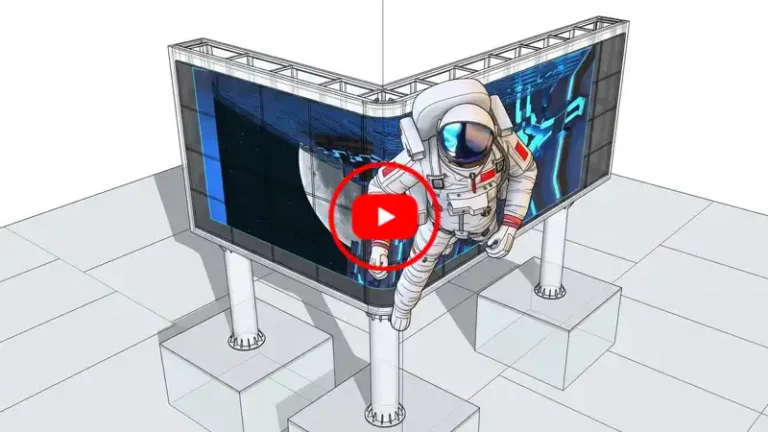
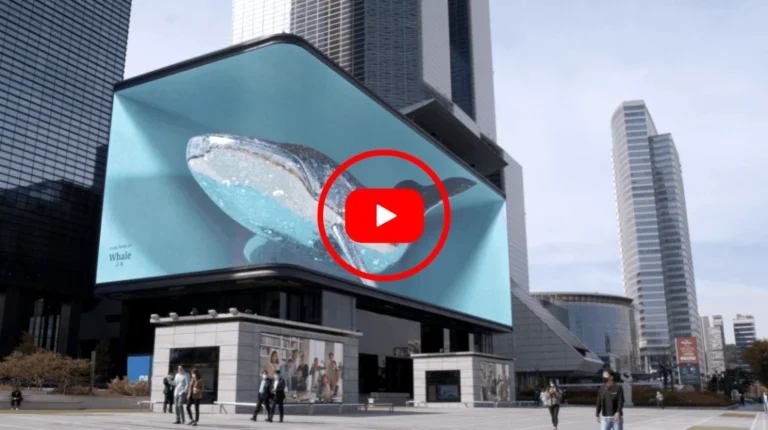
A: Yes. Extruded profiles can be cut, joined, and fabricated into curved surfaces, custom sizes, and unusual aspect ratios. Standard square cabinetry is the baseline, but aluminum’s flexibility supports high-rise facades, curved corners, and unique digital landmarks.
Visual Insights for Your Project Planning
Three diagram suggestions for your content team:
- Material Comparison Chart – Side-by-side comparison of steel, die-cast aluminum, and aluminum profile cabinets across five metrics: weight per square meter, thermal conductivity rating, corrosion resistance level, installation time, and maintenance frequency.
- Shipping Cost Illustration – Stacked steel cabinets versus stacked aluminum cabinets shown in a shipping container cross-section, with weight, pallet height, and freight class annotation.
- Facade Load Infographic – Building cross-section showing the engineering margin created by lighter aluminum cabinets, with crane types, crew counts, and structural reinforcement requirements labeled for each weight category.