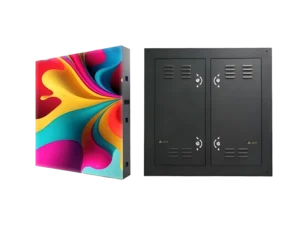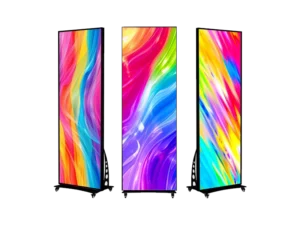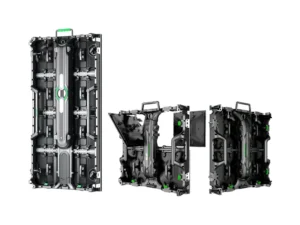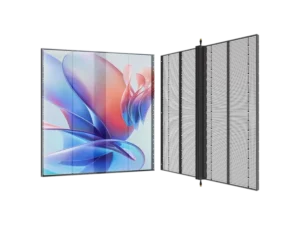
If you are planning a corporate gala for 2026 and still thinking about projectors or standard TV panels, you are already falling behind. I have watched this shift happen across dozens of events in the last eighteen months—and the trend line is clear. Audiences no longer tolerate washed-out visuals, visible pixels, or flicker on their phone cameras. They expect seamless, immersive digital environments. In 2026, your display is not just a backdrop. It is the visual heartbeat of the entire room.
So what separates a forgettable gala from one that gets talked about for months? Increasingly, the answer comes down to three things: pixel density, processing intelligence, and logistics.
The 2026 Reality: Your Display Defines Your Event
Let’s start with a simple observation. Over the past three years, LED has evolved significantly in resolution, robustness, and image quality, moving into demanding indoor environments that once relied entirely on projection mapping. The progressive reduction of pixel pitch has brought fine-pitch LED into ballrooms, conference halls, and gala venues where it would have been cost-prohibitive just a few years ago.
Here is what that means for event planners in practical terms. At a recent hotel ballroom installation in Bangkok, a fine-pitch P2.6 system was deployed across a 27-meter-wide display, delivering ultra-high-definition clarity at 800 nits of brightness—a level of visual punch that projection simply cannot match under typical gala lighting. The hotel’s general manager put it bluntly: global planners now expect world-class production standards within premium hospitality settings. They are not wrong.
I have spoken with rental companies across the US and Europe who report the same thing. When a ballroom has house lights up for networking, a projector’s image washes out. An LED wall does not. It generates its own light, maintains contrast, and gives you the freedom to keep the room bright without sacrificing visual impact.
The Numbers That Actually Matter
If you are evaluating LED displays for a 2026 gala, you will hear a lot of technical specs thrown around. Let me help you cut through the noise.
Pixel Pitch. This is the distance between the centers of two adjacent pixels, measured in millimeters. Smaller numbers mean higher pixel density and sharper images. A P2 LED display packs 2mm between pixels; a P3 display spaces them 3mm apart. That difference matters significantly when your audience is close to the screen.
Here is a rule of thumb I have used successfully across dozens of event specs: the minimum comfortable viewing distance in meters is roughly the pixel pitch times about 1.5 to 2. So a 1.9mm screen works well from about three meters back, a 2.6mm screen from four to five meters, and a 3.9mm screen from six to eight meters. If your front-row guests are sitting closer than that minimum distance, they will see individual pixels. That is not a good look.
For a 2026 gala with 500-plus guests, most professionals are recommending P1.9 to P2.6. That range delivers smooth, high-resolution imagery even for front-row viewing and avoids the moiré effect that plagues lower-density screens when cameras zoom in.
Brightness. Indoors, you do not need the 5,000-nit brute force of an outdoor billboard. But you do need enough luminance to punch through ballroom ambient light. The sweet spot for indoor gala use is roughly 800 to 1,200 nits.
Refresh Rate. This one matters more than many planners realize, especially in 2026. If you want your guests to capture crisp, flicker-free photos and videos on their smartphones, you need a refresh rate of at least 3,840Hz. Higher is better. The 7,680Hz panels now entering the rental market are overkill for most applications but future-proof your investment.
LED vs. Projection: The Real ROI Question
Let me address a question I hear constantly from event planners: is LED really worth the premium over projection?
The short answer is yes, but only if you understand where each technology belongs. Projection has not disappeared, and it is not going to. It still excels at video mapping on irregular surfaces and large-scale architectural interventions. For a gala with a complex, non-rectangular stage design, projection may still be the right tool.
However, for the main stage backdrop, the central visual anchor of your event, LED has become the standard for a reason. SMD remains the workhorse of the rental market due to its balance of cost, performance, and ease of maintenance, while COB technology offers improved durability and surface uniformity for high-traffic touring use. MicroLED is on the horizon, offering further gains in efficiency and density, though its adoption in general rental remains limited by cost.
When I run ROI calculations for clients, the math usually breaks down like this. A fine-pitch LED wall costs more upfront to rent than a projection system. But the LED wall works in any lighting condition, requires no darkening of the room, eliminates the constant maintenance of lamp changes and filter cleaning, and delivers a level of perceived production value that directly translates to sponsor satisfaction and attendee engagement. For corporate galas where brand image is everything, the premium is easy to justify.
Beyond the Backdrop: Creative Applications for 2026
Where things get really interesting is when you stop thinking of LED screens as rectangular backdrops and start using them as spatial design elements.
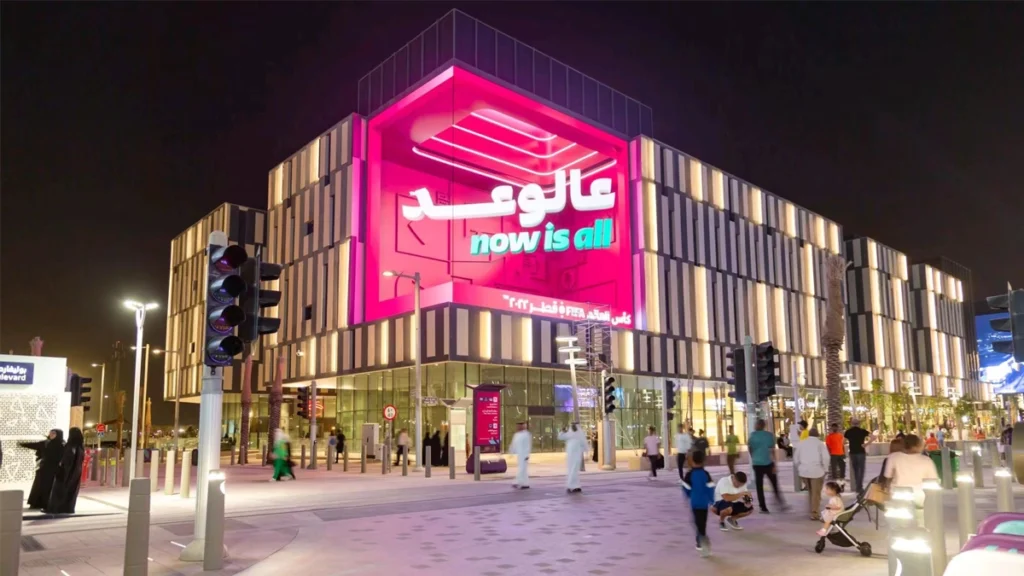
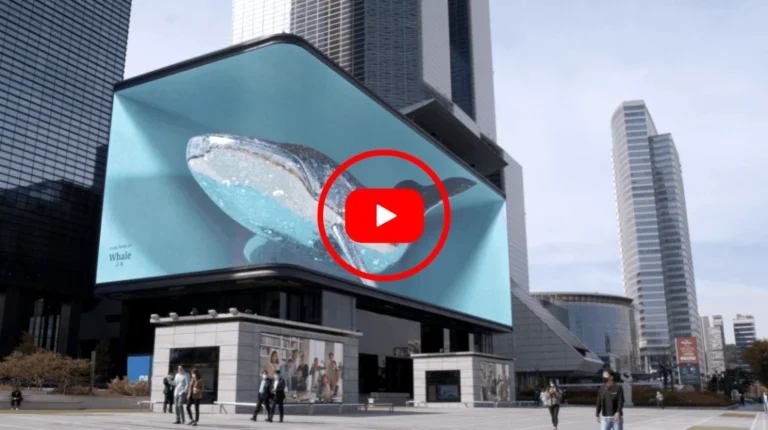
I have seen LED walls used as immersive floors that respond to footsteps. I have seen them wrap around columns to create 360-degree brand environments. I have seen them form curved, beveled, or even completely irregular shapes that turn the entire ballroom into a digital canvas.
One particularly effective approach I have encountered involves interactive LED screens that allow guests to interact with the content on display—turning passive viewers into active participants in the event experience. For a brand launch or a gala with an activation component, this level of engagement is invaluable.
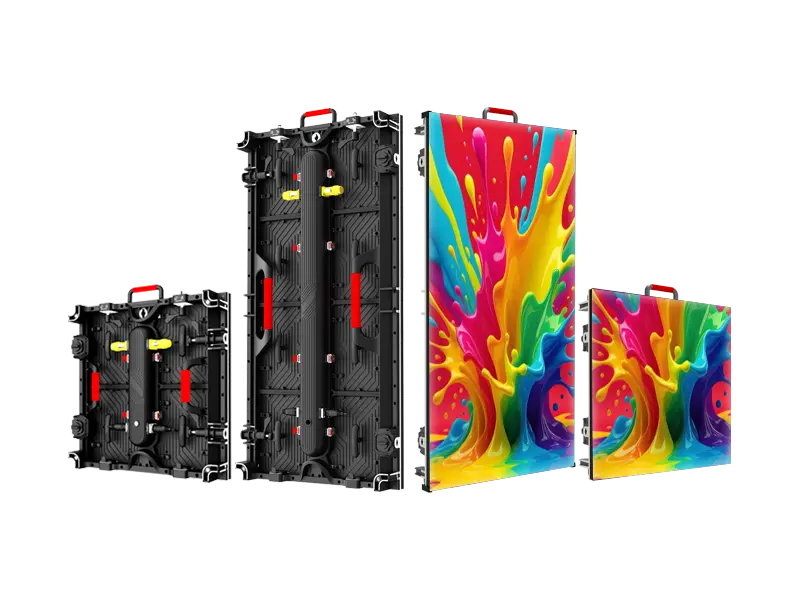
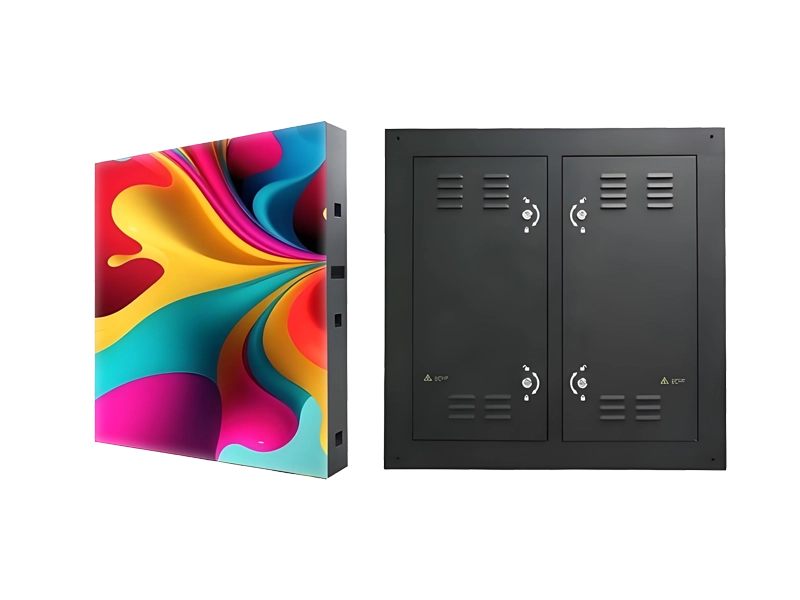
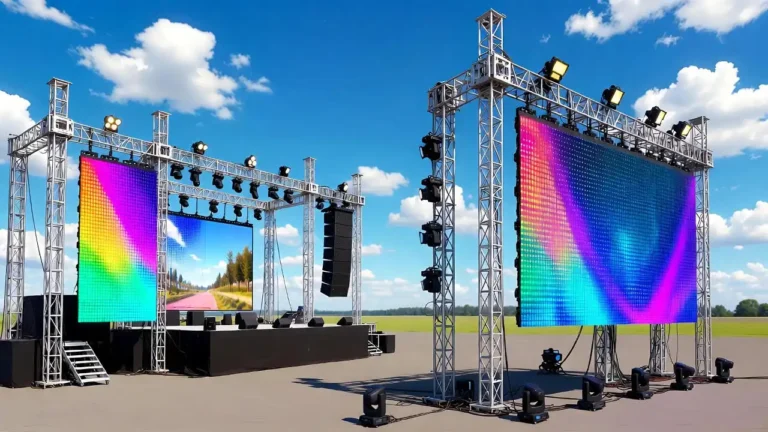
The modular nature of rental LED displays makes these creative configurations possible. Unlike a fixed LCD video wall or a projection screen with rigid aspect ratios, LED panels can be built into almost any shape: columns, curves, 90-degree corners, or massive backdrops. That flexibility allows creative directors to design stages that wrap physically around presenters rather than just placing a flat rectangle behind them.
Logistics: Where Rental Displays Win or Lose
Here is where the rubber meets the road. The best display in the world is useless if it takes three days to set up or requires a crew of ten to operate.
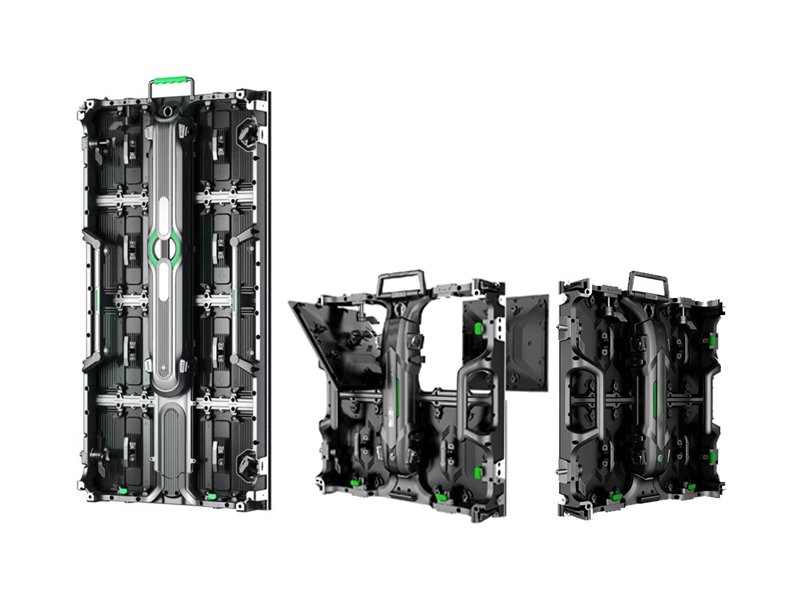
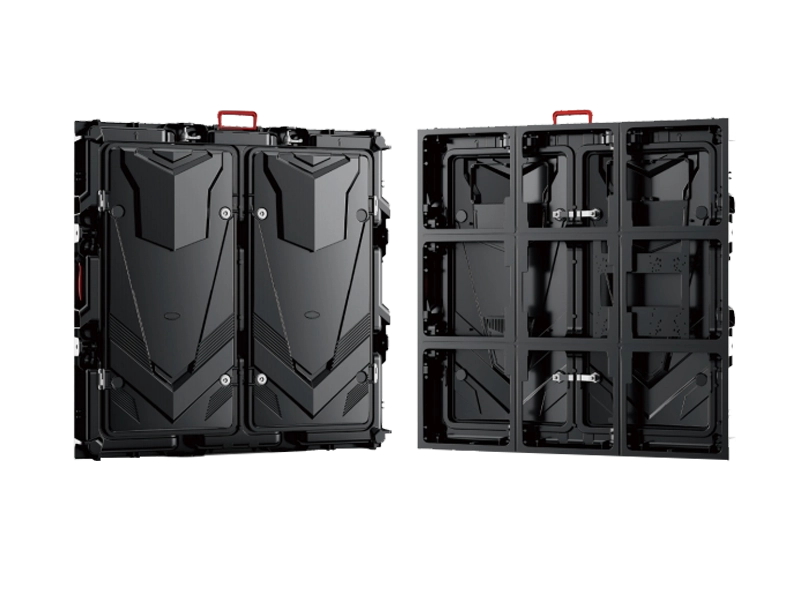
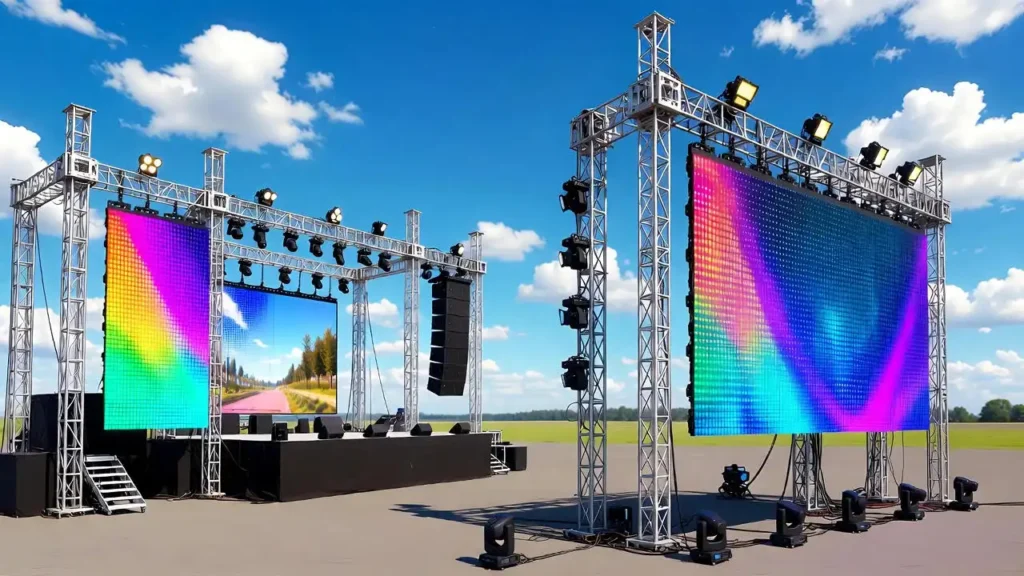
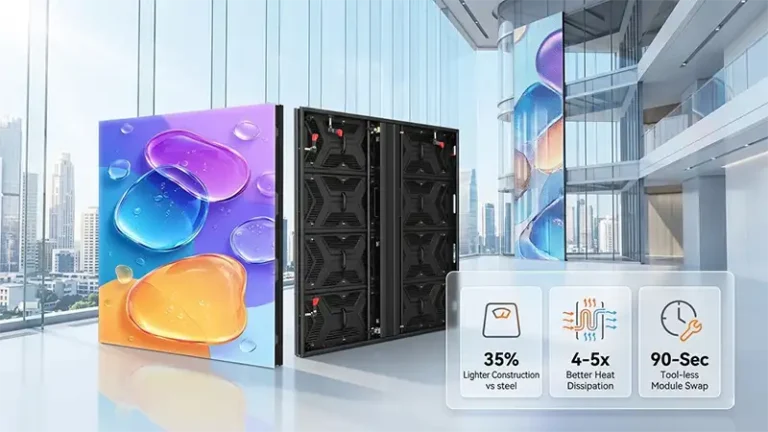
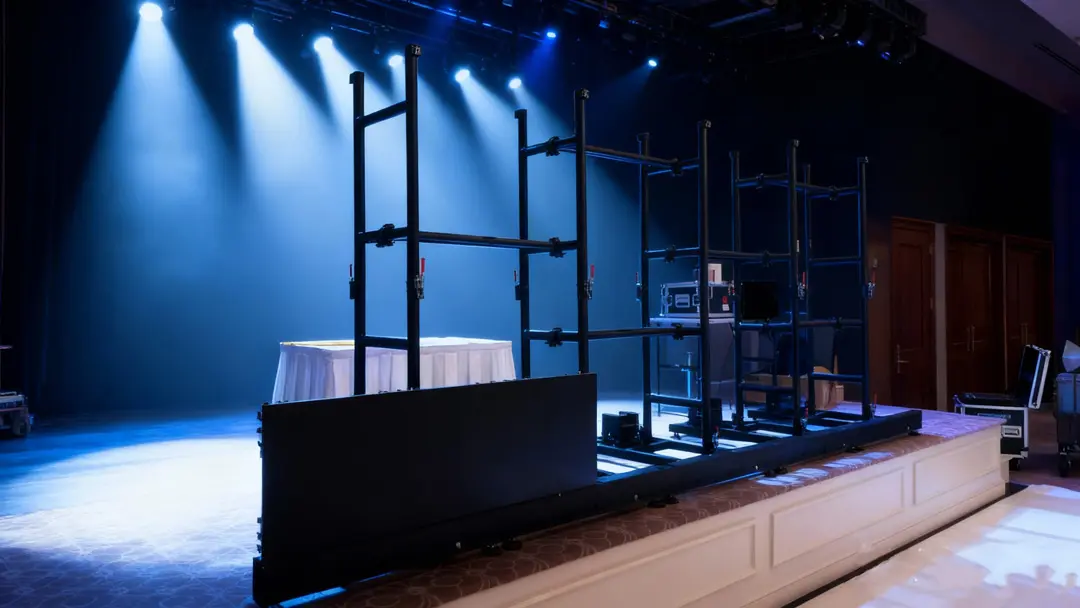
Modern rental LED cabinets have improved dramatically in this regard. Quick-lock mechanisms allow panels to snap together rapidly. A professional crew can often fly a substantial video wall from truss in just a few hours. Weight has come down significantly as well, with carbon fiber and magnesium alloy frames replacing older die-cast aluminum designs.
But logistics require careful planning. Power remains a critical consideration. Large LED walls draw substantial current—you will likely need three-phase power or a dedicated distribution box. Always verify venue power capacity before finalizing your display size.
Ground support is another factor that catches planners off guard. If you are not hanging the screen from truss, you are stacking it from the floor. The weight load per square meter needs to be confirmed with the venue. Most modern rental panels come in around 20 to 25 kilograms per square meter, which is manageable for most ballroom floors but should never be assumed.
Smart rental companies ship with spare tiles—typically 5 to 10 percent of the total panel count. If a module fails during setup or even during the event, swapping in a spare is a five-minute fix rather than a show-stopping disaster.
Technical Considerations That Get Overlooked
Let me share a few lessons learned from events that went wrong.
Content calibration is not optional. Content that looks good on a laptop monitor often looks jarring on a massive LED wall. Small imperfections are magnified. Use high-contrast dark backgrounds rather than gray or washed-out colors. Avoid pure white backgrounds—they can be blindingly bright for the audience and wash out presenters standing in front of the screen. Light gray at about 80 to 90 percent white works much better.
Gray scale at low brightness matters. Many panels look excellent at 100 percent brightness but fall apart during moody stage lighting transitions when the screen is dimmed. Always ask for a demo at reduced brightness levels before committing to a rental.
Camera compatibility is critical if you are filming. For broadcast-critical work, request genlock synchronization and test the screen with your specific camera setup before show day. Moiré patterns can ruin an otherwise flawless production.
A Quick Guide by Event Size
To make this practical, here is how I advise clients to think about pixel pitch selection based on venue and audience configuration:
- Small galas (under 150 guests, intimate ballroom): P1.5 to P1.9. Front-row guests will be close, so you need maximum pixel density.
- Mid-size galas (150–500 guests, standard ballroom): P1.9 to P2.6. This is the sweet spot for most corporate events—excellent clarity without overspending on density that nobody will see.
- Large galas (500-plus guests, exhibition hall or large ballroom): P2.6 to P3.9. When the nearest audience member is six to eight meters back, a slightly larger pixel pitch is perfectly adequate and significantly more cost-effective.
Why This Matters for Your 2026 Gala
The stakes for event quality have never been higher. In an era where every attendee carries a high-resolution camera in their pocket and shares their experience instantly across social platforms, visual production quality is no longer just about the live experience. It is about the digital footprint your event leaves behind.
A flickering, low-resolution, or poorly calibrated display gets captured in hundreds of photos and videos—each one a negative impression of your brand. A crisp, vibrant, flicker-free LED wall turns every attendee into a brand ambassador, broadcasting your event at its best to their entire network.
The global rental LED display market is growing at roughly 5.5 percent annually and is projected to reach approximately $14.2 billion by 2032. That growth reflects a simple reality: event organizers are voting with their budgets, and they are choosing LED.
The question is not whether you should use a high-definition indoor rental LED display for your 2026 gala. The question is which specifications will best serve your venue, your content, and your audience. Get that decision right, and your display stops being a piece of equipment. It becomes the centerpiece of an unforgettable night.