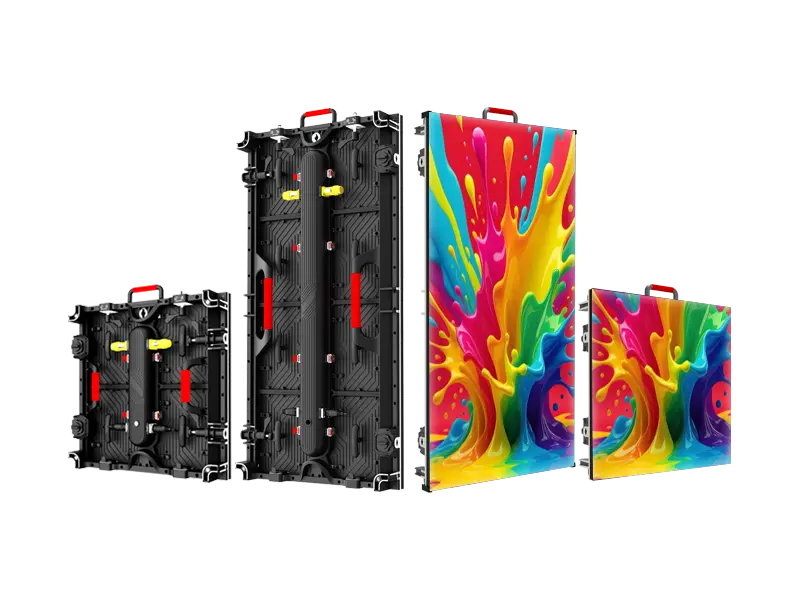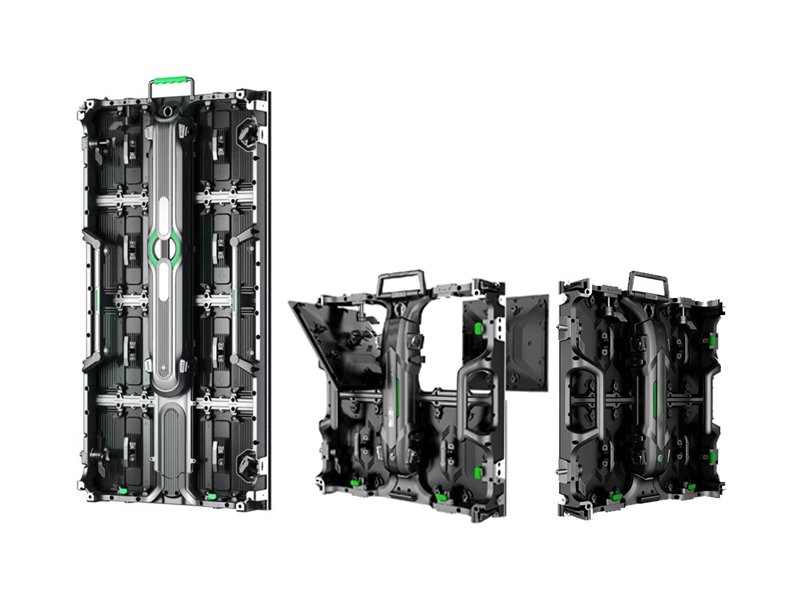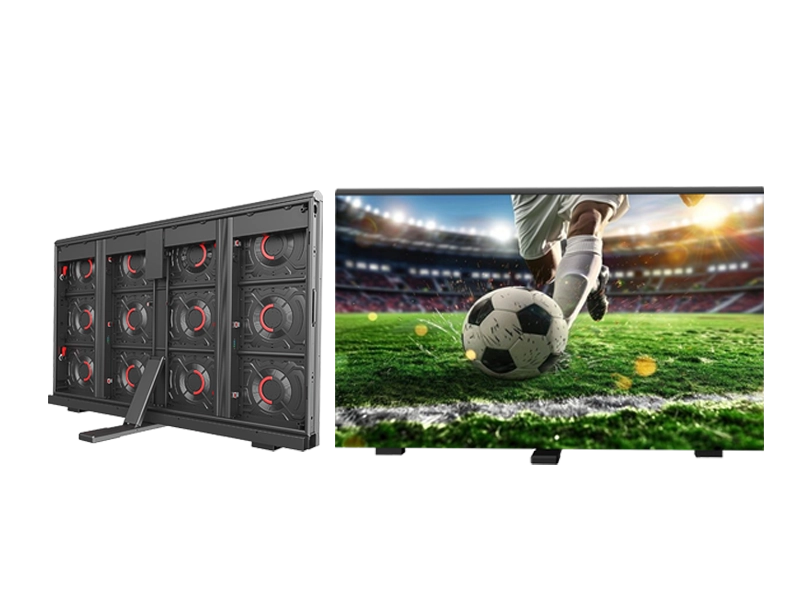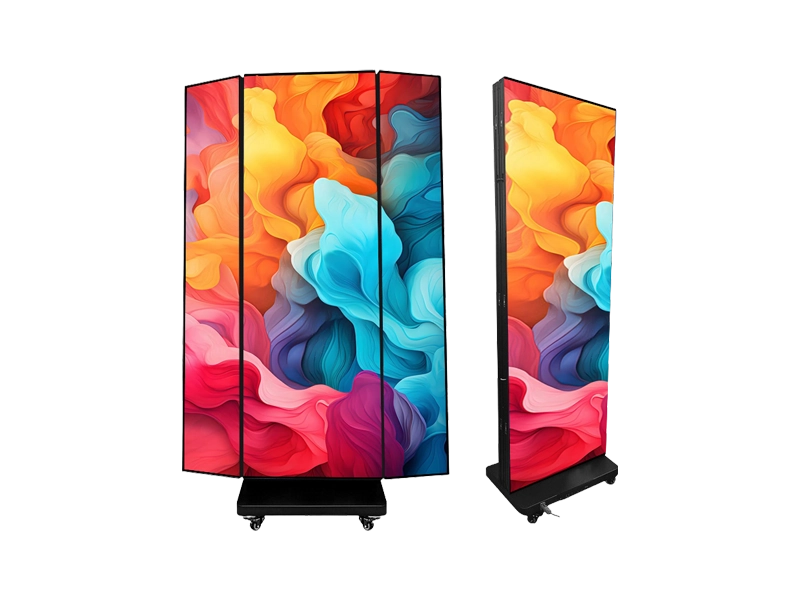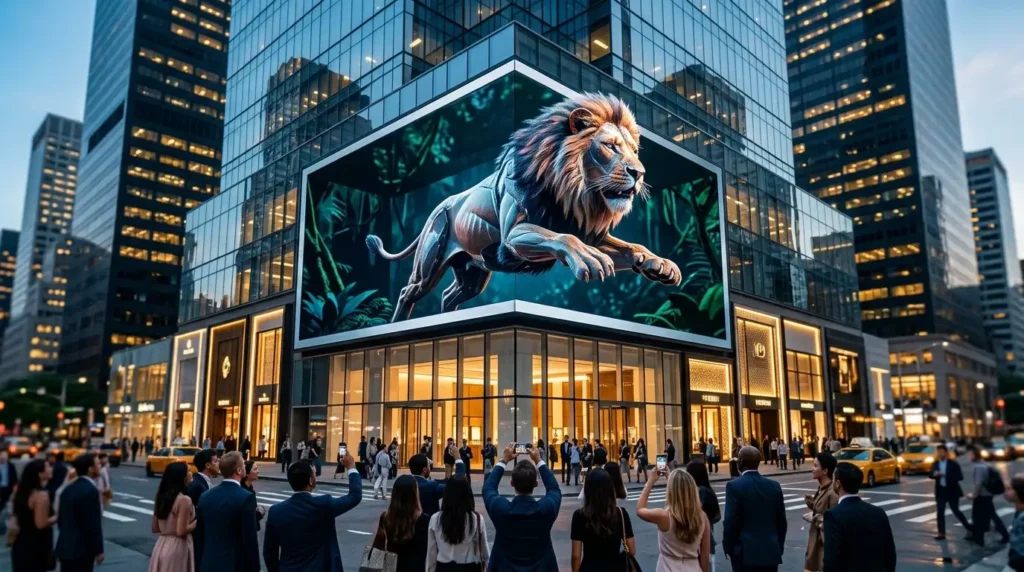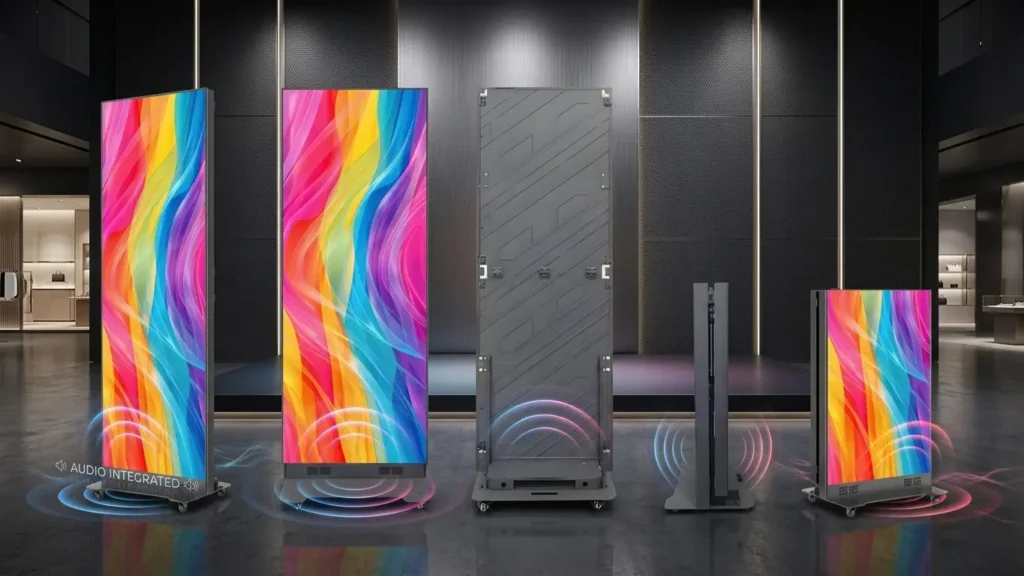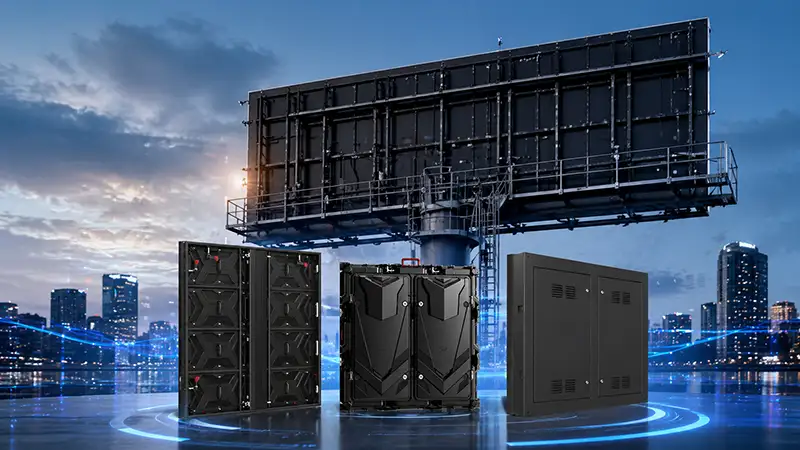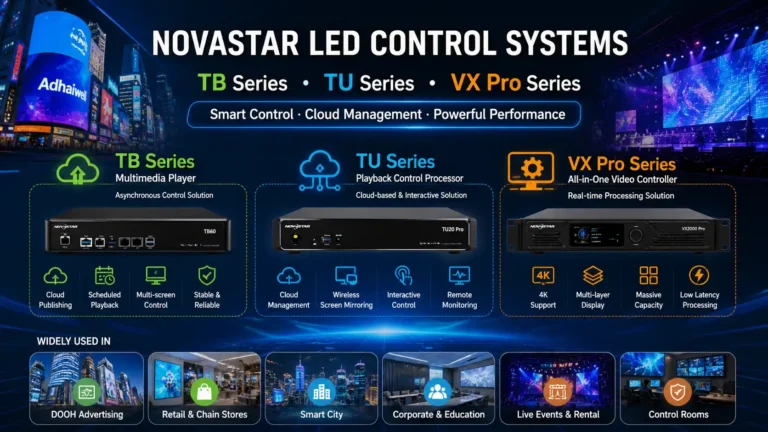
The Real Question Behind Every Rental
When a production manager in Berlin prepares for a festival that opens in three days, he is not browsing a product catalog. He is solving a problem that could cost six figures if the visual solution fails. When a marketing director in Dallas plans a trade show presence, she is not comparing pixel pitches for fun – she is calculating whether a 4‑meter LED wall will justify the booth budget to the CFO. When a church volunteer in Nairobi looks for a screen for a worship event, he is wondering if the congregation in the back row will be able to read the lyrics.
These people do not want specifications. They want certainty. They want to know that the rental LED display they choose will work in their specific venue, under their specific constraints, for their specific audience.
This is why the rental LED display market is not a hardware market. It is a scenario solution market. Understanding that distinction separates a vendor who sells panels from a partner who solves problems.
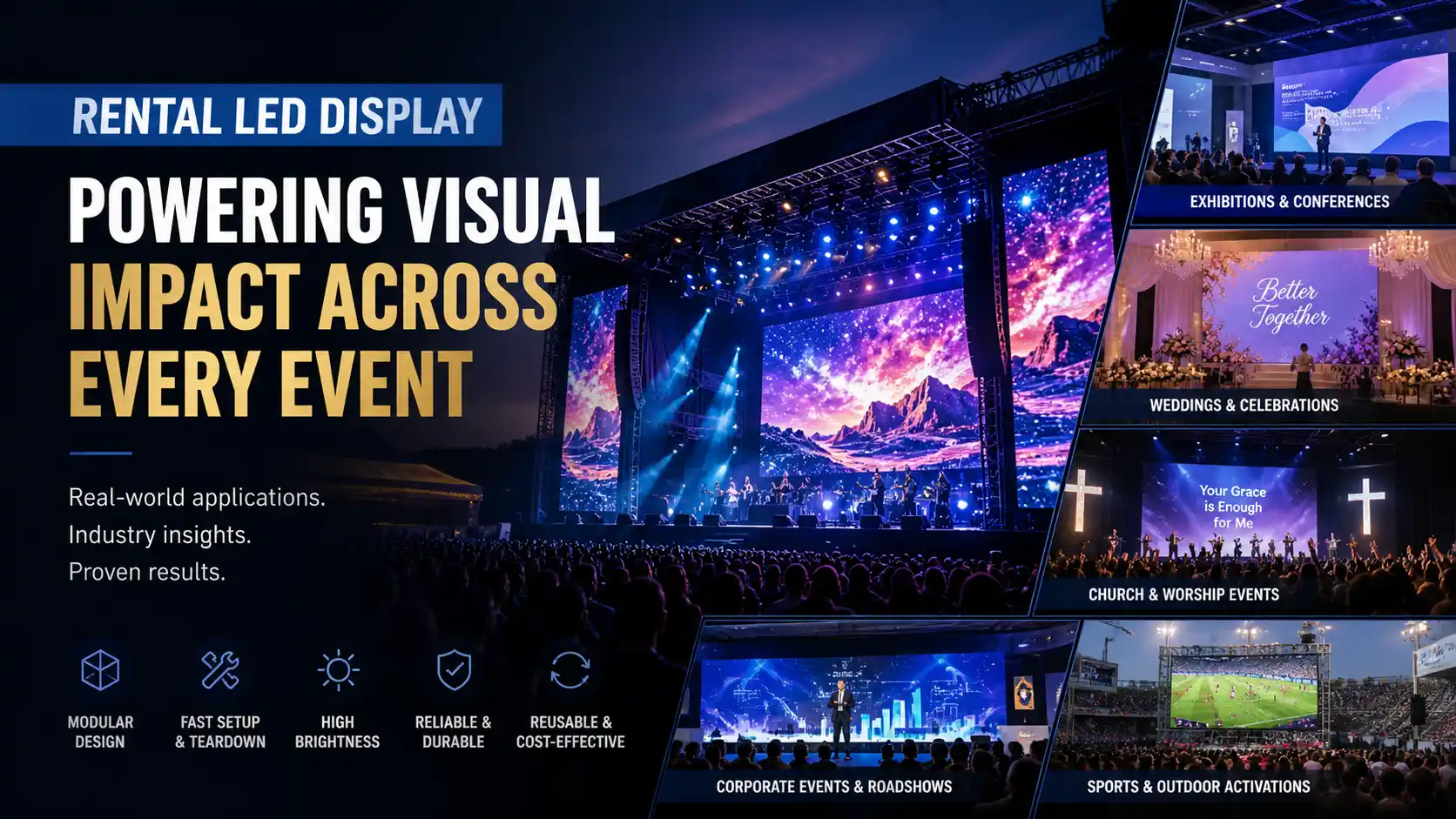
The global rental outdoor LED display market reached USD 1.30 billion in 2026 and is projected to hit USD 2.97 billion by 2036, growing at a CAGR of 8.60%. North America holds the largest share (>30%), Europe 24.5%, and Asia Pacific is the fastest‑growing region. Concerts alone account for roughly 25% of total revenue. Yet the same fleet of panels that serves a music festival on Saturday may be installed in a trade show hall by Tuesday and a church sanctuary by Friday. The hardware is identical. The scenarios are entirely different. And the stakeholders in each scenario ask entirely different questions.
This article is written for those decision‑makers – event producers, AV integrators, marketing directors, and procurement professionals. It is organized around the seven dominant overseas application scenarios, the technical requirements that truly matter, and the procurement mistakes that separate successful projects from expensive failures.
Key Takeaways
- Rental LED displays are a scenario-first solution, not a commodity hardware purchase.
- Seven distinct event types each require different brightness, pixel pitch, weather protection, and support models.
- The global rental outdoor LED market will grow from USD 1.30B (2026) to USD 2.97B (2036) at 8.60% CAGR.
- Four common specification mistakes destroy project value – avoid wrong pixel pitch, ignored lighting, distance mapping errors, and content ratio mismatches.
- A simple three-variable decision framework (venue size, audience distance, event type) replaces guesswork with precision.
Why rental LED, not fixed installation, dominates event-driven business
The rental model has become the default for temporary visual displays for four structural reasons. Let’s start with a commercial reality: event professionals buy outcomes, not hardware. They need
- Modularity – Rental LED panels use quick‑lock assembly systems that allow crews to construct walls of virtually any size and aspect ratio. A production team can build a 6×3m backdrop for a keynote on Monday, reconfigure the same panels into a 12×4m main screen for a concert on Wednesday, and reduce them to a 2×2m product display for a salon on Friday. Fixed installations cannot match this flexibility. Inventory owned but sitting idle between events is economically irrational.
- Speed – Modern die‑cast aluminum cabinets have significantly reduced panel weight, lowering rigging requirements, labor costs, and structural engineering complexity. For touring events or multi‑city roadshows, the ability to assemble a 100m² wall in under four hours and dismantle it in two directly improves per‑event margins. In an industry where venue access windows are measured in hours, speed is a competitive advantage.
- Technology refresh without depreciation risk – LED technology evolves rapidly. Pixel pitches considered cutting‑edge three years ago are now standard. Organizations that own LED inventory face the depreciation trap – the equipment becomes obsolete before it is fully amortized. Renting transfers that risk to the provider and guarantees access to current‑generation panels.
- Total cost structure – When you rent, you are not just renting panels. You are buying a complete service ecosystem: logistics, on‑site technical support, content management, engineering certification, and post‑event teardown. For organizations running five to twenty events per year, the fully loaded cost of rental is almost always lower than capital expenditure, storage, maintenance, and staffing costs of ownership.
This is why fixed LED walls stay in stadiums and corporate lobbies, while rental LED owns the temporary event economy. And as we will see, the technical requirements vary so dramatically by scenario that “one size fits all” is the fastest path to a failed production.
Scenario One: Concerts and Live Stage Performances
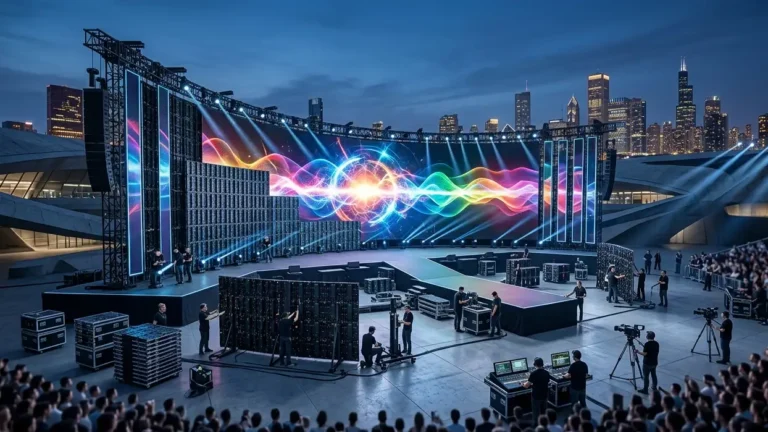
The concert stage is where rental LED displays first proved their commercial viability, and it remains the largest application segment.
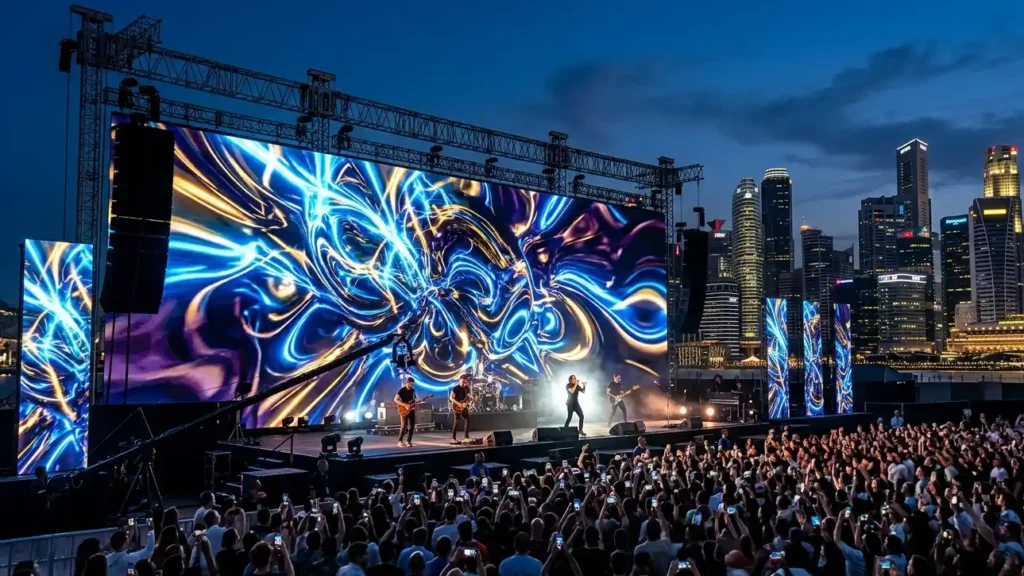
What the client truly needs: A production manager at a summer music festival must create visual impact for tens of thousands of spectators across a natural amphitheater. The stage faces west – afternoon sun will blast the screen during the 4 PM to 8 PM performance window. The event runs three consecutive days with different headliners each night, so content must change completely between shows. The venue is two hours from the nearest major city, meaning no quick parts run.
Key technical requirements:
- Brightness >4,500 nits for daylight visibility; 5,000 nits is the practical standard for outdoor festivals.
- Wide viewing angle (140°+) so spectators in extreme wings and elevated seating see content without color shift.
- Rigging system that integrates with standard truss architecture.
- IP65 weather sealing at minimum – rain delays are expensive, but destroyed screens are catastrophic.
- Assembly mechanism allowing a crew of six to build and dismantle within narrow access windows (typically <6 hours).
The screen itself is only half the equation. The other half is on‑site technical support. A failed pixel during a headliner’s set can become a front‑page story. The best rental providers deliver engineers who arrive before the crew, test every cabinet, monitor signal integrity during the show, and stand by for immediate replacement.
Scenario Two: Trade Shows and Conferences
If concerts prove durability, trade shows prove precision. The constraints are entirely different.
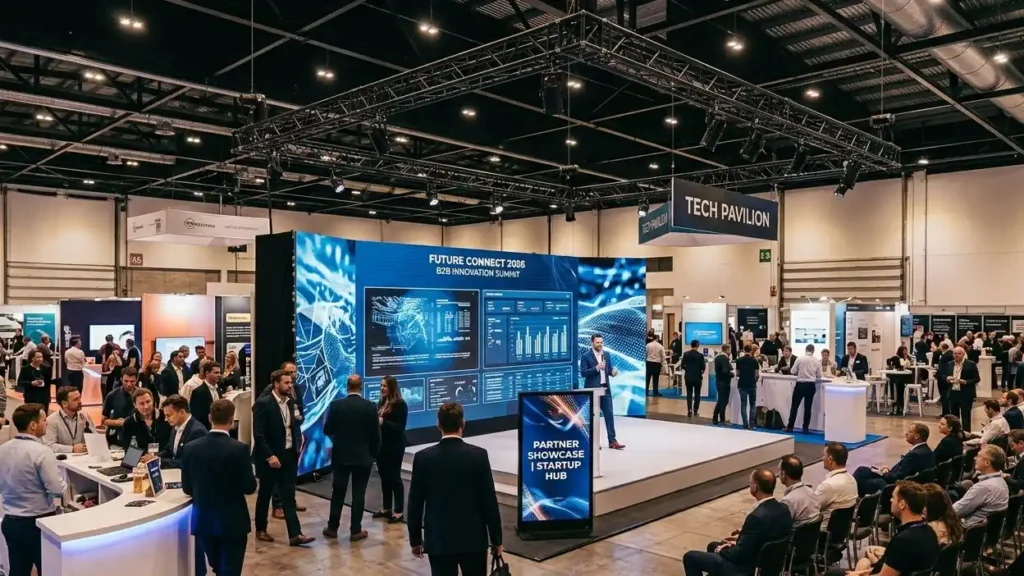
What the client truly needs: A German automotive supplier exhibits at a major trade show in Frankfurt. Their 12×8m booth has a 4m ceiling height. The LED wall shows high‑resolution product animations during the day and becomes a live presentation screen during keynote slots. Sales engineers need eye contact with visitors – the screen must not dominate or intimidate. The show runs four days, eight hours daily, so the screen must operate continuously without audible fan noise.
Key technical requirements:
- Fine pixel pitch: 1.9mm to 2.9mm, with 2.6mm being the sweet spot for booths where visitors stand 2–4 meters away. At 4.8mm, visible pixelation undermines the premium brand image.
- Front‑service access is required because exhibition halls rarely provide rear clearance.
- Slim profile and minimal bezels to integrate with booth architecture.
- Silent or near‑silent operation – fan noise during a product demo is unprofessional.
- Low‑latency content switching between pre‑rendered animations, live camera feeds, and interactive presentations.
Trade show buyers need defensible reasoning for internal stakeholders. A marketing manager who specs a 2.6mm pitch wall must explain to her director why that is better than a 3.9mm option that costs 30% less. The answer lies in audience distance, brand perception, and competitive context – factors invisible in a product catalog but central to a scenario‑based solution.
Scenario Three: Weddings, Galas, and Celebrations
The wedding and gala market is one of the most emotionally driven segments. Here, the screen is not a technical instrument – it is a storytelling device.
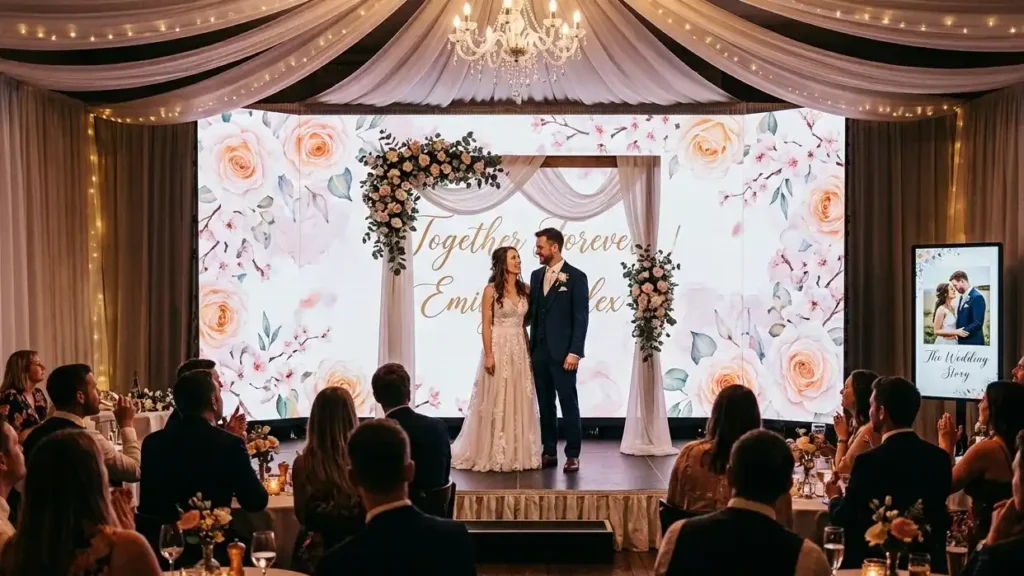
What the client truly needs: A luxury wedding planner in California describes a vineyard ceremony. The couple wants a backdrop that loops their engagement video during guest arrival, switches to a live camera feed during the vows so guests 50 meters back can see expressions, and transitions to a photo montage during the reception. The venue has a covered terrace with mixed lighting – bright afternoon ceremony, dim evening reception.
Key technical requirements:
- Brightness sufficient for afternoon sun but capable of graceful dimming without visible stepping or color shift.
- Color accuracy – the engagement video was color‑graded by a professional cinematographer; inaccurate reproduction cheapens emotional impact.
- Slim‑profile panels with clean cable management and whisper‑quiet operation.
- Finishes that blend with floral arrangements and drapery – the screen should feel like part of the venue, not an industrial intrusion.
Wedding and gala buyers are not buying technology. They are buying memory creation. The LED display is a medium through which a couple’s story is told. Its value is measured not in nits or refresh rates, but in the tears it produces during the vows and the applause during the reception montage.
Scenario Four: Churches and Worship Events
The worship environment introduces unique constraints. The audience gathers regularly, often weekly, with deep emotional and spiritual investment. The technology must serve the message, not distract.
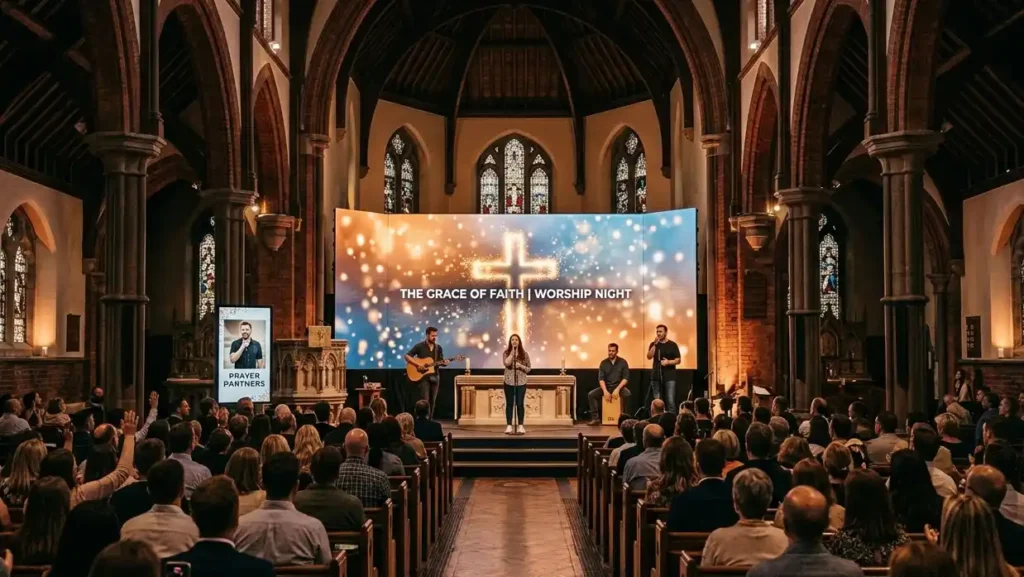
What the client truly needs: A megachurch in Texas plans an Easter sunrise service in the parking lot to accommodate overflow. The service starts at 6:30 AM – the screen operates in near‑darkness then transitions to full daylight as the sun rises. The audience sits 15–30 meters away, so text legibility is paramount: sermon notes, song lyrics, and scripture references must be readable from the back row by elderly congregants. The technical team consists of volunteers with limited AV experience.
Key technical requirements:
- Text readability at distance, influenced more by contrast ratio and font size than by pixel pitch alone.
- Ease of operation – complex systems create anxiety for volunteers and increase risk of Sunday‑morning failures.
- Audio‑visual synchronization: lyrics lagging behind music by even half a second disrupt congregational singing.
- Cost‑effectiveness: churches operate on tight budgets and need professional results without professional price tags.
The rental model is ideal for churches that might only need LED for Easter, Christmas, and special events. A church that rents can access broadcast‑quality displays for their three biggest events while directing most of the AV budget toward permanent sound and lighting. The rental provider must deliver not just equipment, but training and handholding – including a laminated quick‑reference guide.
Scenario Five: Corporate Salons, Brand Roadshows, and Product Presentations
Corporate events occupy a middle ground between the emotional intensity of weddings and the operational rigor of concerts. Here, the LED display is a business tool that must deliver measurable ROI while reflecting brand quality.
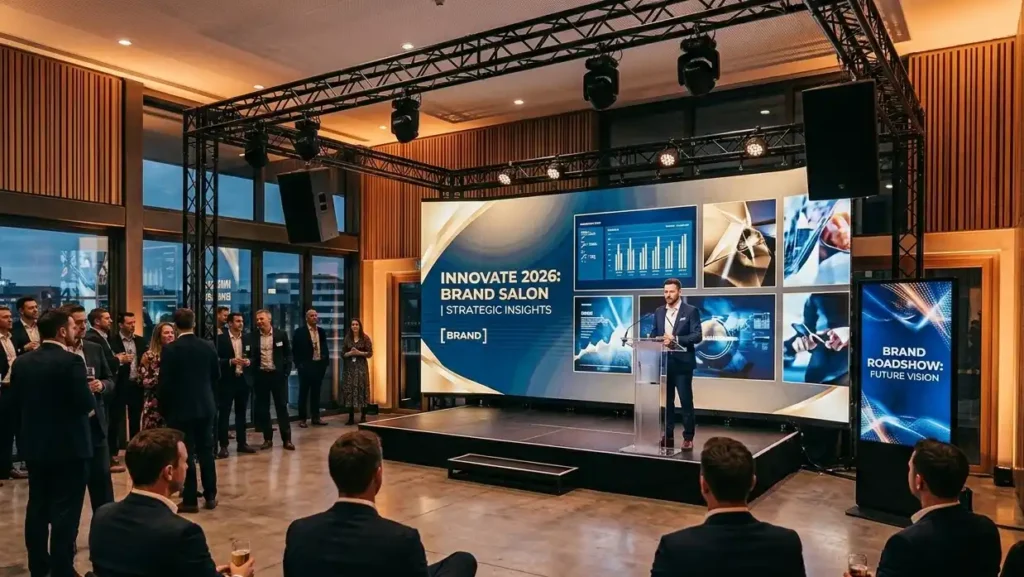
What the client truly needs: A SaaS company runs brand salons across five European cities. At each stop, they need a 3×2m indoor LED wall for keynotes and live product demos. Events move every three days – the entire system must pack into a standard van and reinstall within 90 minutes. Content includes brand videos, live software demos, and real‑time audience polling, requiring low‑latency input switching. Events are photographed and live‑streamed for social media, so the screen must reproduce brand colors with Pantone‑level accuracy.
Key technical requirements:
- Color accuracy is paramount – brand guidelines are non‑negotiable.
- Pixel pitch appropriate for close viewing (2.6–3.9mm) because attendees sit 2–3 meters away during demos.
- Setup speed within 90 minutes; roadshow schedules leave no margin for delays.
- Content flexibility for live polls, social media feeds, and audience Q&A requiring real‑time integration.
The ROI calculation is explicit. A marketing director can measure the LED wall’s impact through booth dwell time, social media engagement, lead generation, and post‑event survey responses. The screen is not an expense – it is a conversion asset.
Scenario Six: Outdoor Advertising, Pop‑Up Activations, and Brand Campaigns
This scenario is where rental LED displays compete most directly with traditional media – billboards, print, and static signage. The buyer is a marketing strategist calculating cost per impression and campaign efficiency.
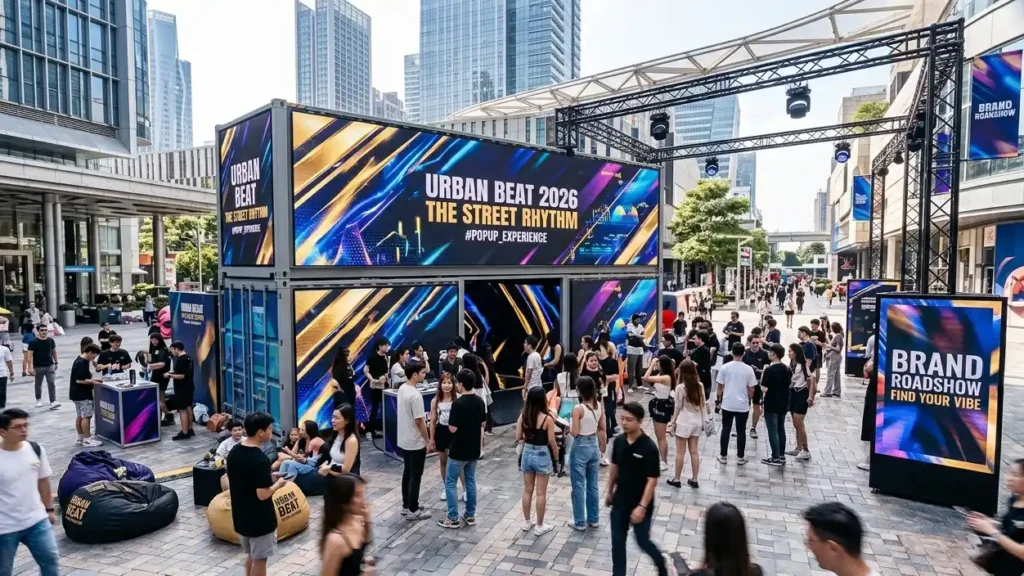
What the client truly needs: A sportswear brand runs a three‑day pop‑up activation in a high‑traffic urban location. They need a 4×3m outdoor LED screen displaying athlete interviews, product animations, and real‑time social feeds. The activation runs 16 hours daily – continuous operation without overheating or degradation. Direct sunlight for six hours each afternoon demands brightness above 5,000 nits. Because the activation is temporary, the screen must be trailer‑mounted for same‑day deployment and removal.
Key technical requirements:
- Brightness: 5,000–6,500 nits for direct sun exposure.
- Robust weather sealing (IP65).
- Content scheduling capabilities to queue playlists, adjust brightness by time of day, and update messaging remotely.
- Trailer‑mounting or ground‑support mobility.
A traditional billboard in a premium location might cost.
An LED screen for a three-day activation might cost 15,000, including delivery, setup, and teardown – and it delivers motion, interactivity, and real‑time updates that static media cannot match. For campaigns measured in days, rental LED is almost always more efficient.
Scenario Seven: Sports Events and Public Gatherings
This is the most logistically complex scenario. The screen becomes part of public safety and information infrastructure.
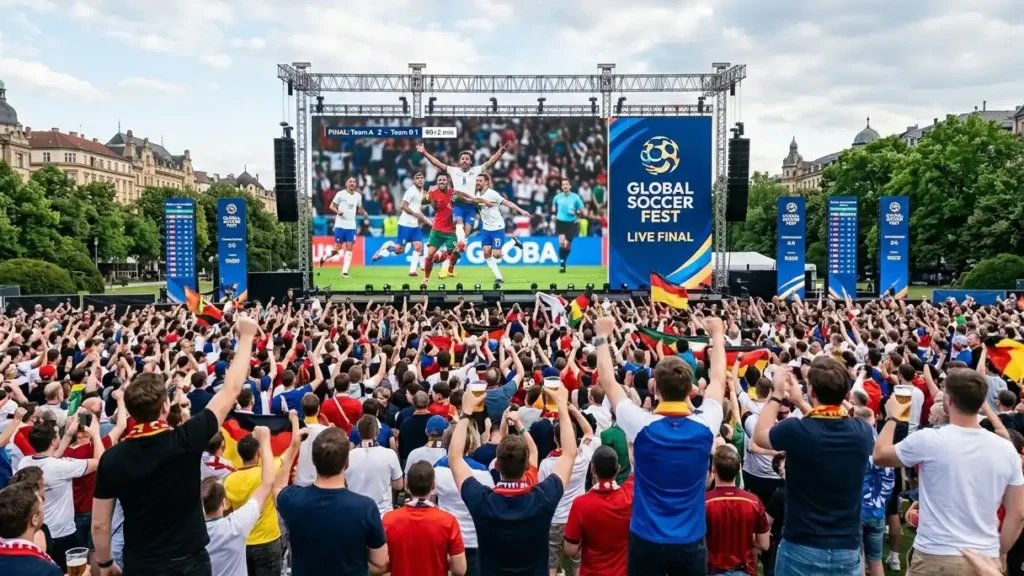
What the client truly needs: A city marathon requires three large LED screens: at the start line for countdowns and announcements, at the halfway mark for pacing information, and at the finish for live results and award ceremonies. Each screen is 8×4m, visible from 50–100 meters away, requiring coarse pixel pitch but critical structural engineering. Screens face public roads – they must withstand wind loads, vibrations from vehicles, and the proximity of thousands of spectators. Every temporary structure needs engineering certification and insurance coverage.
Key technical requirements:
- Coarse pixel pitch (4.8–6.25mm) because the audience sits far away.
- High brightness for outdoor visibility, with consistent performance across variable weather.
- Real‑time data integration for live scores, timing, and statistics without perceptible delay.
- Structural integrity certified by engineers; public safety regulations leave no room for compromise.
The buyer needs end‑to‑end project management: structural engineers, broadcast technicians for live timing feeds, logistics coordinators for multiple remote locations, and on‑site staff for real‑time troubleshooting. A failed screen at a marathon finish line is not just a technical problem – it is a safety hazard.
The Four Mistakes That Destroy Project Value
Even experienced buyers make predictable errors when specifying rental LED displays. Avoid these four.
Mistake 1: Choosing the wrong pixel pitch
- A 1.9mm pitch for an outdoor concert wastes budget on resolution the audience cannot perceive from 50 meters away.
- A 4.8mm pitch for a trade show booth creates visible pixelation for visitors standing at the counter.
- Simple rule: Divide the minimum viewing distance in meters by two to estimate the ideal pixel pitch in millimeters. A 6‑meter viewing distance suggests a 3mm pitch.
Mistake 2: Underestimating venue lighting
- An indoor exhibition hall with floor‑to‑ceiling windows has different brightness requirements than a windowless conference room.
- An outdoor event at dusk needs different calibration than a midday festival.
- Always conduct a site survey or request a lighting assessment from your rental provider.
Mistake 3: Ignoring audience distance mapping
- A screen has multiple viewing zones: front row, mid‑field, back row, elevated seating, peripheral sightlines.
- A specification that works for the front row may be illegible from the back.
- Map these zones before specifying the screen, then choose pixel pitch, brightness, and viewing angle to serve the most critical zones.
Mistake 4: Mismatching content ratio to screen dimensions
- A 16:9 video played on a custom 21:9 LED wall creates black bars, distorted scaling, or awkward cropping.
- Content should be designed for the screen’s native resolution and aspect ratio.
- Confirm screen dimensions with the content production team before any creative work begins.
A Simple Decision Framework: From Product to Scenario
The most effective procurement process does not start with “What is your best price for a 4‑meter LED wall?” It starts with “Here is my scenario. Here is my venue. Here is my audience. Here is my content. What do you recommend?”
The answer depends on three variables that transcend product categories.
Variable 1: Venue size and layout
- Determines screen dimensions, mounting method, and structural requirements.
- Example: A ballroom with a 3‑meter ceiling cannot accommodate a hanging LED wall.
- Example: An outdoor parking lot requires ground‑supported truss systems with ballast weights.
- Example: A trade show booth with 6‑meter depth demands front‑service panels because there is no rear access.
Variable 2: Audience distance and density
- Determines pixel pitch, brightness, and viewing angle.
- Example: A church sanctuary with a 30‑meter throw needs different specifications than a trade show booth where visitors stand 2 meters away.
- Example: A music festival with 40,000 scattered spectators needs different brightness than a corporate salon with 50 seated attendees.
Variable 3: Event type and content format
- Determines aspect ratio, refresh rate, and control system complexity.
- Example: A concert with live camera feeds and rapid content switching needs a broadcast‑grade processor.
- Example: A wedding with a single looping video needs a simple media player.
- Example: A sports event with real‑time data integration needs low‑latency input processing and redundant signal paths.
When buyers and providers align around these three variables, the procurement conversation shifts from price negotiation to value co‑creation. The buyer gets a solution that fits their scenario. The provider demonstrates why the recommendation matters. And the event gets a visual display that delivers exactly what it was hired to deliver.
Frequently Asked Questions About Rental LED Displays
Quick, Scenario‑Based Answers to Help You Choose the Right LED Screen for Your Event
Ready to match a rental LED display solution to your specific scenario? Contact the Adhaiwell Display team with your venue dimensions, audience profile, and event type for a tailored recommendation.