Key Takeaways:
- The “Sweet Spot” Concept: Learn how to calculate the optimal viewing angle (perspective) for 3D illusions.
- Hardware-Software Synergy: Understanding the relationship between LED pixel pitch and 3D depth perception.
- Anamorphic Distortion: Mastering the technique of deforming 2D content to appear 3D on L-shaped screens.
- Production Workflow: From 3D modeling and rendering to final playback calibration.
Mastering the Art of Naked Eye 3D Content
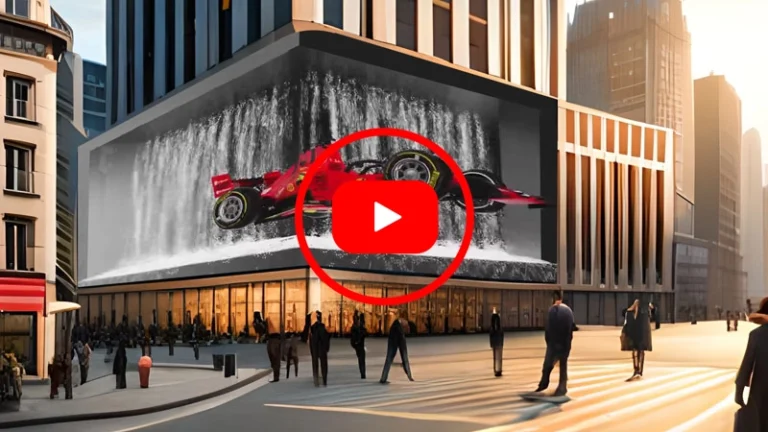
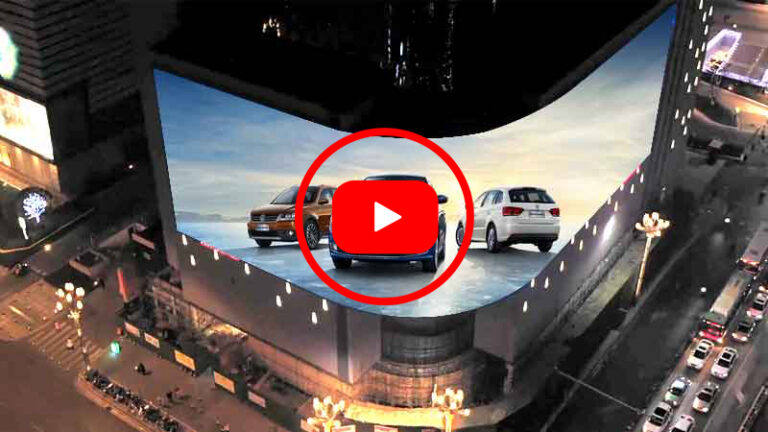
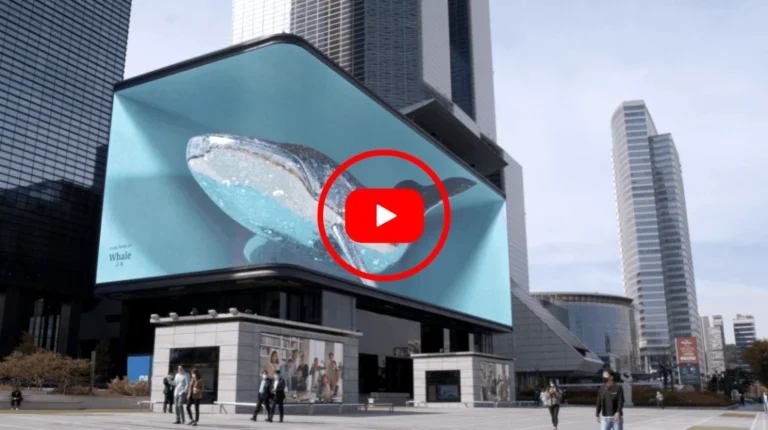
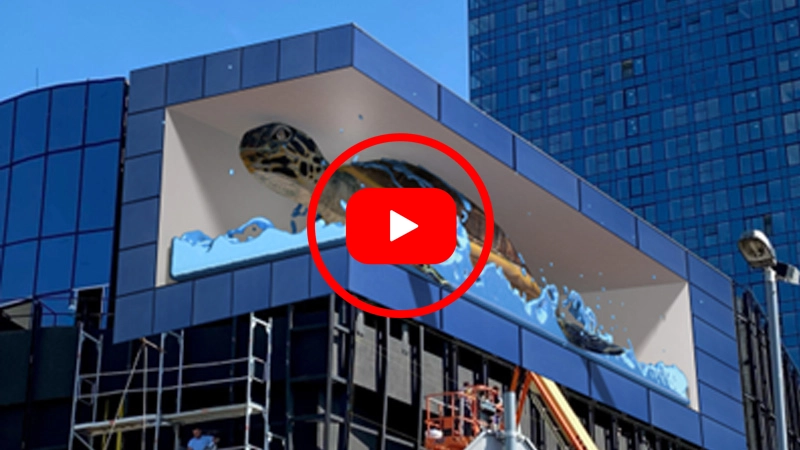
Creating a breathtaking Naked Eye 3D effect requires more than just a high-resolution screen; it requires a deep understanding of anamorphic illusion. At Adhaiwell, we don’t just manufacture screens—we master the science behind the visuals. This guide breaks down the essential steps to designing and producing 3D LED videos that truly “pop” out of the frame.
Step 1: Defining the Optimal Viewing Angle
The 3D illusion only works perfectly from a specific “Sweet Spot.”
- Angle Analysis: We analyze the street-level traffic flow to determine where most viewers will stand.
- Perspective Correction: The 3D content must be rendered from this exact vantage point to ensure the depth perception remains realistic.
Step 2: Designing for L-Shaped or Curved Screens
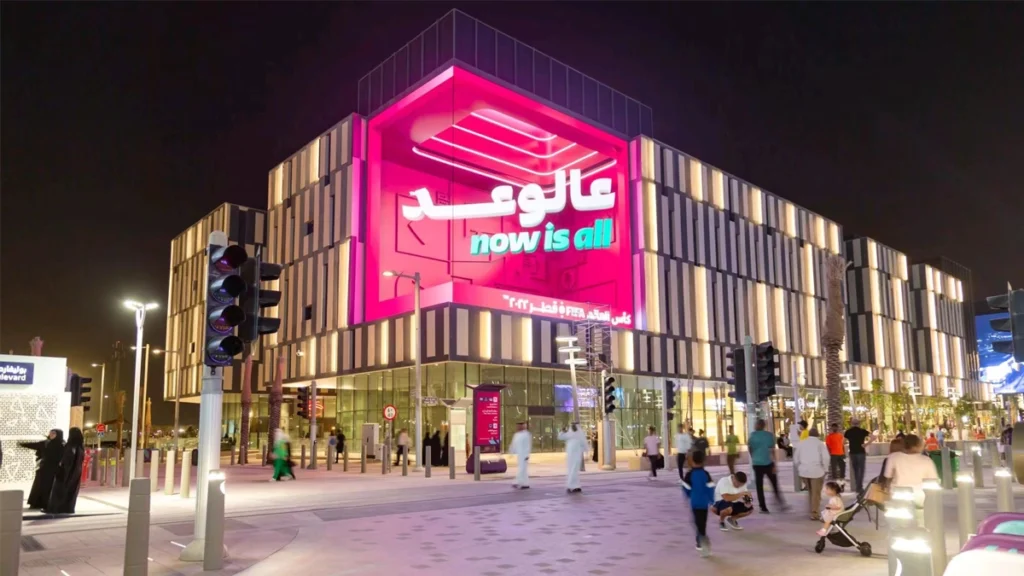
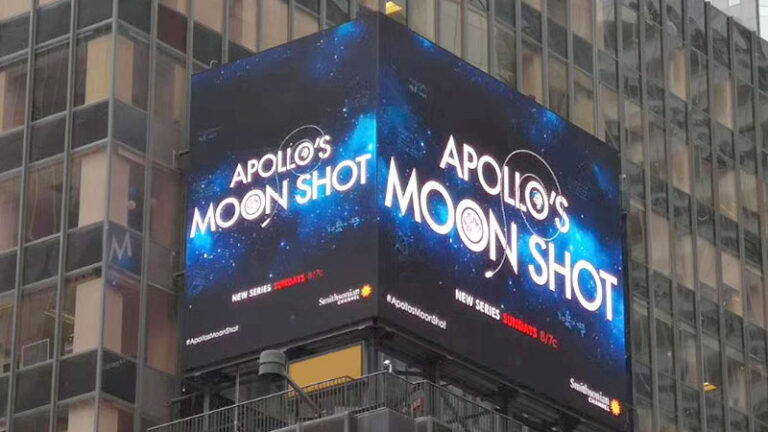
Most Naked Eye 3D displays use a right-angle (L-shape) configuration.
- Seamless Splicing: The video content must be mapped across the corner transition without any visual breaks.
- Shadow & Light Simulation: By adding artificial shadows and lighting within the 3D video, we enhance the “out-of-frame” effect, making objects appear as if they are floating in mid-air.
Step 3: Resolution and Bitrate Optimization
To maintain the illusion, the video quality must be impeccable.
- Pixel-to-Pixel Mapping: We ensure every pixel on the LED hardware corresponds exactly to the video file to avoid moiré patterns.
- High Refresh Rates: Smooth motion is critical for 3D; we recommend 3840Hz or higher for the hardware to support the fluid 3D content we produce.