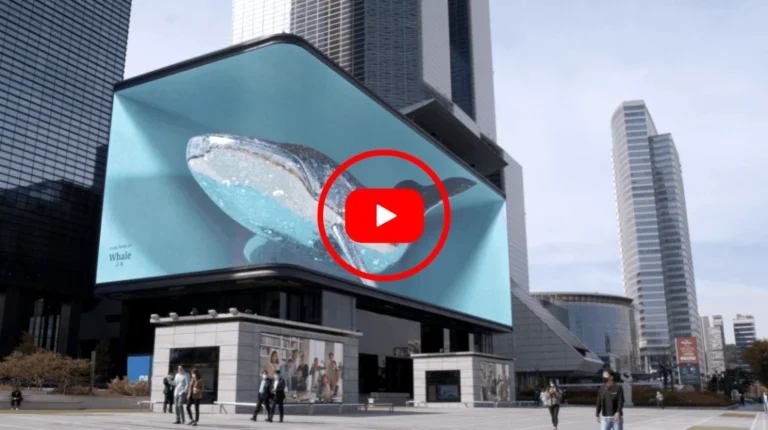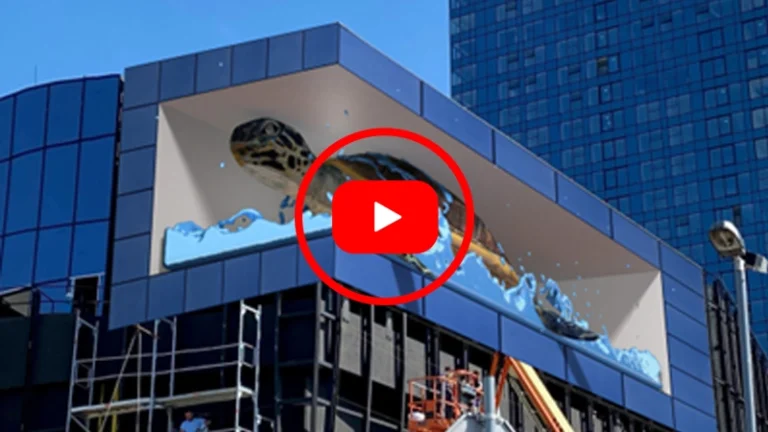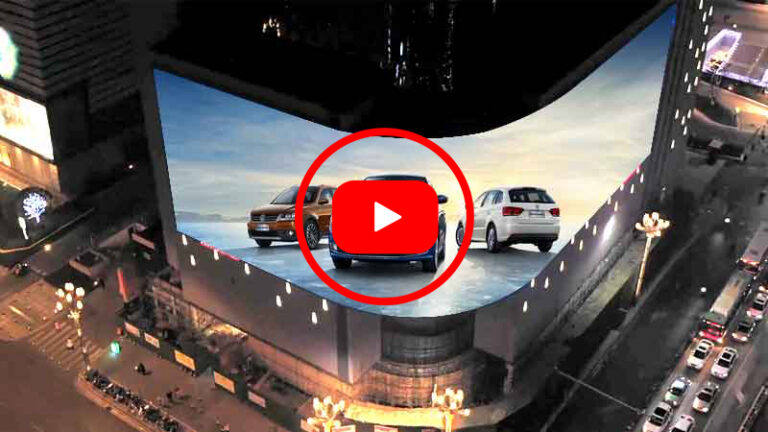
The DOOH Revolution
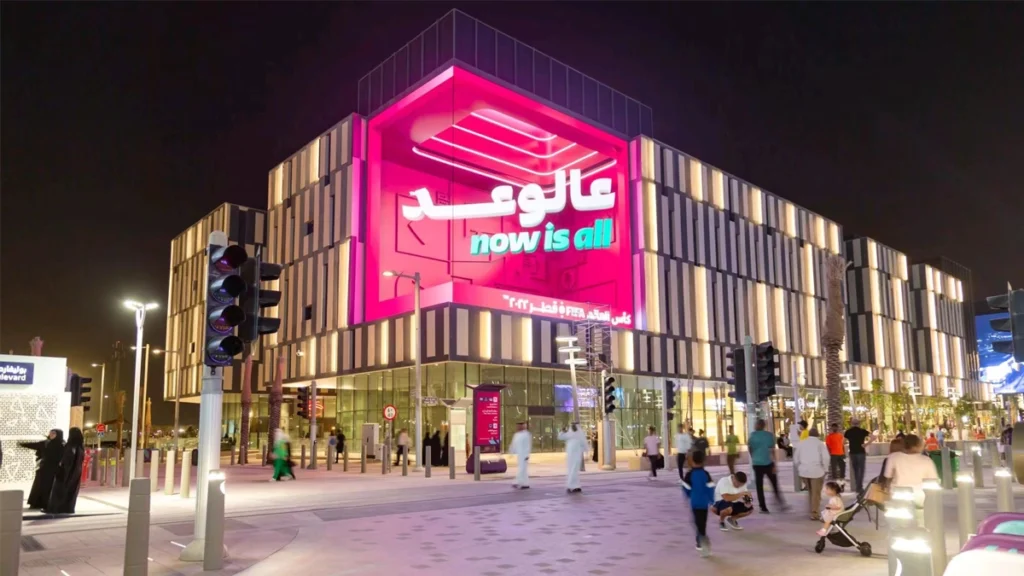
Digital Out-of-Home (DOOH) advertising has transformed how brands connect with audiences in public spaces. From bustling city centers to highway billboards, digital displays offer unparalleled flexibility, dynamic content capabilities, and measurable engagement that traditional static billboards simply cannot match .
But here’s the challenge that every media owner and advertiser faces: How do you choose the right outdoor LED display for your DOOH investment?
With pixel pitches ranging from P2.5 to P16, brightness levels from 4,500 to 10,000 nits, and countless technical specifications to consider, making the wrong choice can mean wasting thousands—or even hundreds of thousands—of dollars.
At Adhaiwell, with 16+ years of experience exporting to over 80 countries, we’ve helped clients across Africa, Asia, the Americas, and Europe select and deploy the perfect displays for their specific environments. In this comprehensive guide, we’ll walk you through everything you need to know to make an informed decision that maximizes your ROI.
Part 1: Understanding DOOH Advertising Requirements
Before diving into technical specifications, let’s understand what makes DOOH advertising unique. Unlike indoor digital signage, outdoor DOOH displays must perform flawlessly under challenging conditions
Key Requirements for DOOH Displays:
| Requirement | Why It Matters |
|---|---|
| Brightness | Content must remain visible in direct sunlight |
| Durability | Displays must withstand rain, wind, dust, and temperature extremes |
| Energy Efficiency | 24/7 operation demands low power consumption |
| Image Quality | Ads must look professional and engaging to capture attention |
| Reliability | Downtime means lost revenue and damaged reputation |
Research shows that 63% of consumers notice outdoor digital signage, and 80% have been encouraged to visit a store after seeing relevant content . Your display isn’t just a screen—it’s a revenue-generating asset that represents your brand.
Part 2: LED vs. LCD for DOOH—Which Technology Wins?
One of the first decisions you’ll face is choosing between LED and LCD technology. While both have their place in digital signage, for outdoor DOOH applications, LED consistently outperforms LCD.
| Factor | LED Display | LCD Display |
|---|---|---|
| Brightness | 5,000–10,000+ nits | 1,500–2,500 nits typical |
| Sunlight Readability | Excellent | Poor—washes out easily |
| Seamless Sizing | Can be built to any size | Limited by panel size |
| Durability | IP65/IP66 weatherproof | Requires additional enclosure |
| Lifespan | 100,000+ hours | 50,000–60,000 hours |
| Viewing Angle | 140°–160° | Narrower, color shifts |
| Maintenance | Modular—individual modules replaceable | Panel replacement required |
While LED displays typically have a higher upfront cost, they end up being more affordable in the long run due to longer lifespan and lower maintenance requirements . For outdoor applications where screens face direct sunlight, rain, and temperature fluctuations, LED is the clear winner.
Part 3: The 6 Critical Factors for Choosing Your Outdoor LED Display
Factor 1: Brightness (Nits)—The Non-Negotiable Specification
Brightness is measured in nits (candelas per square meter). For outdoor DOOH advertising, this is arguably the most important specification .
General Brightness Guidelines:
- 4,500–5,000 nits: Minimum for shaded outdoor locations
- 6,000–8,000 nits: Recommended for most outdoor applications
- 8,000–10,000 nits: Essential for screens facing direct sunlight
At Adhaiwell, we typically recommend 6,500–8,000 nits for general outdoor DOOH applications, with our 3D LED displays reaching 8,000 nits to ensure perfect visibility even under harsh African or Middle Eastern sunlight
Pro Tip: LED brightness decays over time. A screen starting at 5,000 nits might drop to 4,000 nits within 2–3 years. Starting with higher brightness ensures your display remains effective throughout its lifespan
Factor 2: Pixel Pitch—Matching Resolution to Viewing Distance
Pixel pitch refers to the distance (in millimeters) between the center of one LED pixel and the next. Smaller numbers = higher resolution = closer viewing distances .
This is where many buyers make costly mistakes. Choosing too small a pixel pitch for the viewing distance wastes money on resolution nobody can see. Choosing too large a pitch makes content unreadable up close.
The Golden Rule: Pixel Pitch (mm) ≈ Minimum Viewing Distance (meters)
Pixel Pitch—Matching Resolution to Viewing Distance
Pixel pitch refers to the distance (in millimeters) between the center of one LED pixel and the next. Smaller numbers = higher resolution = closer viewing distances .
This is where many buyers make costly mistakes. Choosing too small a pixel pitch for the viewing distance wastes money on resolution nobody can see. Choosing too large a pitch makes content unreadable up close.
The Golden Rule: Pixel Pitch (mm) ≈ Minimum Viewing Distance (meters)
| Pixel Pitch | Optimal Viewing Distance | Best Applications |
|---|---|---|
| P2.5–P4 | 3–10 meters | Street-level retail, pedestrian plazas, bus shelters |
| P5–P8 | 10–25 meters | Shopping center facades, gas stations, parking lots |
| P10–P16 | 25–100+ meters | Highway billboards, stadiums, building tops |
P5 is currently the most popular outdoor specification globally because it offers an excellent balance of resolution and cost-effectiveness for typical viewing distances of 10–20 meters
Factor 3: Weather Protection (IP Ratings)
Outdoor LED displays must withstand rain, dust, humidity, and temperature extremes. The Ingress Protection (IP) rating tells you how well the display is sealed .
What to Look For:
- IP65: Dust-tight and protected against water jets—minimum for outdoor use
- IP66: Higher protection against powerful water jets
- Front AND Back protection: Both sides need weather sealing
Adhaiwell outdoor displays feature IP65-rated protection as standard, with some models reaching IP66 for extreme environments. Our Mozambique installation, for example, was specifically engineered to withstand coastal humidity and tropical conditions .
Factor 4: Refresh Rate—Critical for Video and Camera Recording
Refresh rate (measured in Hz) determines how smoothly video plays and—crucially—how the screen appears on camera .
| Refresh Rate | Performance |
|---|---|
| 1,920 Hz | Standard—acceptable for basic text/images |
| 3,840 Hz | Excellent—smooth video, good for smartphone filming |
| 5,880 Hz+ | Premium—broadcast quality, no flicker on professional cameras |
For DOOH advertising, where passersby will record your screen for social media, 3,840 Hz is the sweet spot. Adhaiwell displays feature 3840Hz refresh rate as standard, ensuring your ads look perfect whether viewed live or through a smartphone screen .
Factor 5: Durability and Build Quality
Not all displays are created equal, even with the same pixel pitch specification. Sanket Rambhia, Managing Director of Xtreme Media, warns: “Just because two displays are labeled P6 or P4 doesn’t mean they perform the same” .
Key Quality Indicators:
- Lamp Brand: Nationstar, Kinglight, or Nichia LEDs typically offer better quality and longevity
- Gold Wire vs. Copper Wire: Gold wire bonding provides better corrosion resistance
- Cabinet Material: Die-cast aluminum offers better flatness and heat dissipation than bent steel
- GOB (Glue on Board) Technology: Provides extra protection for LEDs in harsh environments
Adhaiwell uses industrial-grade hardware with gold-wire SMD lamps to ensure consistent performance in challenging climates, from African heat to coastal humidity .
Factor 6: Energy Efficiency—The Long-Term Cost Factor
With 24/7 operation, energy costs add up quickly. Look for displays with:
- High efficiency power supplies (typically 85–90% efficiency)
- Auto-brightness adjustment to reduce power at night
- Good “nits per watt” ratio—a key efficiency metric
At Adhaiwell, we optimize our displays for power efficiency without compromising brightness, helping our clients achieve better ROI over the display’s lifespan.
Part 4: The 3-Step Selection Framework
Still unsure which display is right for you? Follow this simple three-step process:
Step 1: Analyze Your Site
Visit your installation location and answer these questions:
- What is the closest point where someone will view the screen? (Measure this distance!)
- Which direction does the screen face? (South-facing screens need more brightness)
- Is the screen in direct sun or shade?
- What are the local weather extremes? (Heat, cold, humidity, salt spray?)
Step 2: Define Your Content Strategy
Your content determines your technical requirements:
- Text and logos only: Can use larger pixel pitches
- Full-motion video ads: Need smaller pixel pitch and high refresh rate
- 3D/anamorphic content: Requires specialized processing and smaller pitch
- Interactive features: May need additional sensors or touch capabilities
Step 3: Calculate Your Resolution Needs
Use this formula to ensure adequate resolution:
Minimum Resolution = (Screen Width ÷ Pixel Pitch) × (Screen Height ÷ Pixel Pitch)
For decent video playback, aim for at least 384 × 216 pixels. For high-definition ad content, target 768 × 432 pixels or higher .
Part 5: The Adhaiwell Advantage—Real-World Performance
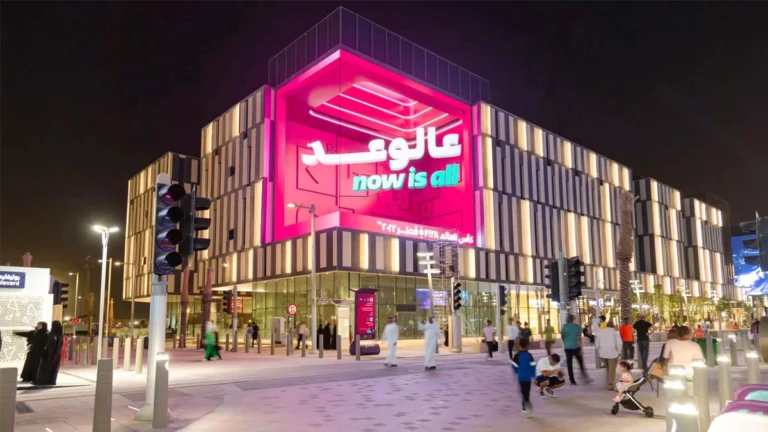
At Adhaiwell, we don’t just manufacture displays—we engineer solutions for real-world challenges. Our recent Mozambique installation—the country’s first Naked Eye 3D LED Billboard—demonstrates our commitment to quality .
Why Adhaiwell Displays Excel in Demanding Environments:
| Feature | Adhaiwell Solution |
|---|---|
| High Heat | Specialized aluminum cabinets with superior heat dissipation |
| Humidity/Coastal | IP65 + anti-corrosion coating |
| Direct Sunlight | 8,000 nits brightness with anti-glare surface |
| Video Quality | 3,840Hz refresh rate—perfect for smartphone filming |
| Longevity | 100,000-hour lifespan with premium components |
Beyond Hardware: The Complete Solution
We understand that buying an outdoor LED display is just the beginning. That’s why Adhaiwell provides:
- Steel structure design and engineering support
- Installation guidance and commissioning
- User training for your team
- Custom content creation for 3D and anamorphic projects
Part 6: Budget and ROI Considerations
The Price Reality
The price difference between pixel pitches is exponential, not linear :
- P10 Outdoor: $ (Most affordable)
- P6 Outdoor: $$
- P4 Outdoor: $$$$
- P2.5 Outdoor: $$$$$$ (Premium)
The ROI Trap
Many buyers make the mistake of thinking “clearer is better” and purchase a P3 screen for a sign 30 feet in the air. This wastes money—viewers cannot see the extra detail from that distance. A P6 screen at half the price would achieve the exact same visual impact and deliver faster ROI .
The Smarter Approach: Match your specifications to your actual needs. Invest in quality where it matters—brightness, durability, and reliability—rather than over-specifying resolution that your audience will never appreciate.
Part 7: Frequently Asked Questions
Q: What brightness do I need for an outdoor LED screen?
A: Minimum 4,500 nits for shaded locations; 6,000–8,000 nits for most applications; up to 10,000 nits for screens facing direct sunlight .
Q: Is a smaller pixel pitch always better?
A: No. Pixel pitch must match viewing distance. Using P4 for a highway billboard 50 meters away wastes money on resolution nobody can see .
Q: How long do outdoor LED displays last?
A: Quality displays like Adhaiwell’s are rated for 100,000 hours (approximately 11 years of 24/7 operation) .
Q: Can I play 4K content on any LED screen?
A: You can send a 4K signal, but the screen will downscale to its native resolution. For true 4K, you need a screen with sufficient pixel density .
Q: What’s the difference between SMD and DIP LEDs?
A: SMD (Surface Mounted Device) offers better color blending and viewing angles for most applications. DIP (Dual In-line Package) is extremely bright and durable for massive highway billboards but has narrower viewing angles .
Q: How do I ensure my screen is visible in direct sunlight?
A: Choose high brightness (6,500+ nits), ensure proper contrast ratio (5,000:1 or higher), and consider anti-glare surface treatments 0:1 or higher), and consider anti-glare surface treatments.
Conclusion: Make Your DOOH Investment Count
Choosing the right outdoor LED display for DOOH advertising doesn’t have to be overwhelming. By focusing on the six critical factors—brightness, pixel pitch, weather protection, refresh rate, build quality, and energy efficiency—you can make an informed decision that delivers maximum ROI.
Remember Sanket Rambhia’s wise advice: “Don’t buy a screen just because it’s cheaper or newer. Buy it because it’s the right fit for your site, your goals, and your future”.
At Adhaiwell, we’re committed to helping you find that perfect fit. With 16+ years of export experience, displays engineered for the world’s most demanding climates, and comprehensive support from design through installation, we’re your trusted partner for DOOH success.